Chennai Metro Goes Green: Solar Power Powers 22% of Operations
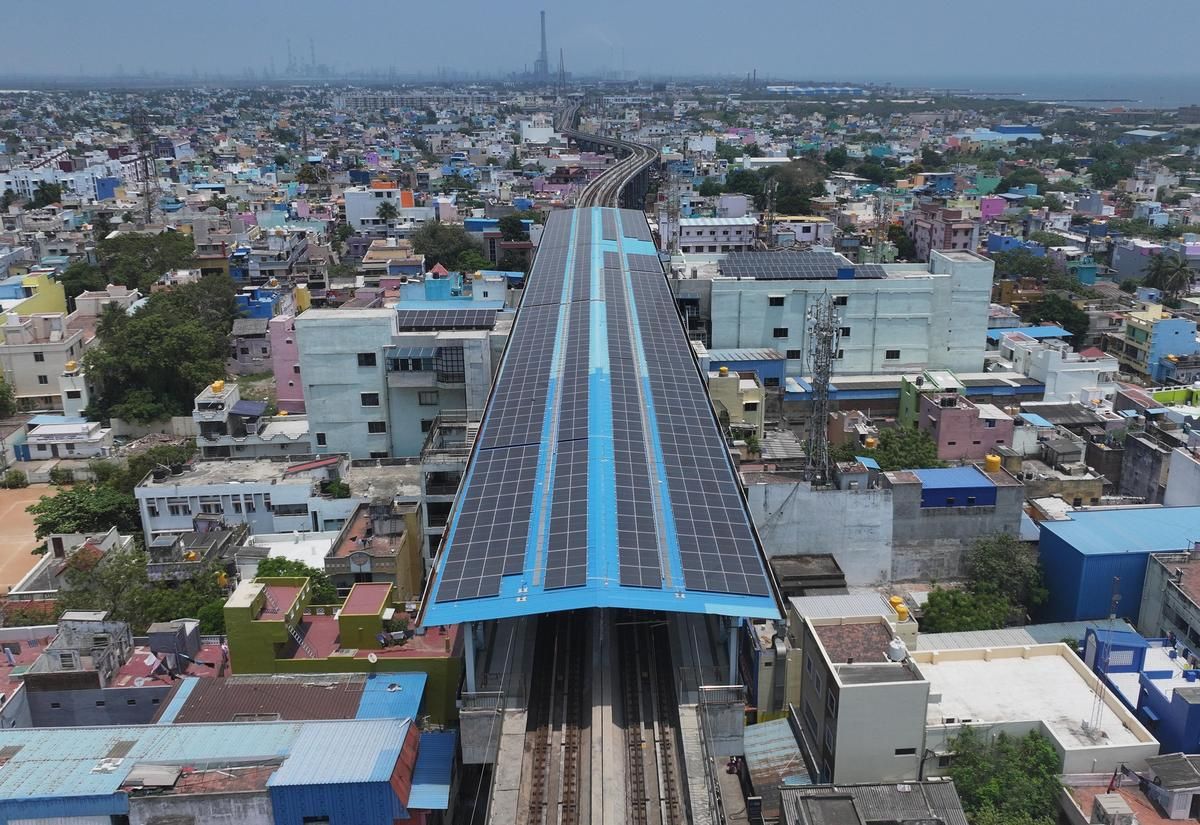
Chennai Metro Rail harnesses 10.77 MWp of solar power across 36 locations, reducing operational costs and environmental impact significantly.
Chennai Metro's Solar Revolution: A Step Towards Sustainable Transit
Chennai Metro Rail has emerged as a pioneer in sustainable public transportation in India, successfully harnessing solar energy to power a significant portion of its operations. The metro system has installed 10.77 Mega Watt peak (MWp) of solar power capacity across 36 strategic locations throughout its 54 km Phase-1 network and extensions, generating approximately 22% of its non-train electricity requirements.
This ambitious renewable energy initiative marks a crucial step in reducing the carbon footprint of one of India's major metro systems while simultaneously lowering operational expenses. The integration of solar power demonstrates how urban rail infrastructure can adapt to environmental challenges while maintaining service quality.
Solar Installations Across the Network
The distributed solar power system spans the entire Phase-1 corridor of Chennai Metro Rail, with installations strategically placed at 36 different locations. These installations range from rooftop solar panels at stations to elevated structures designed to maximize sunlight exposure throughout the day.
Notable installations include solar arrays at key stations such as Thradi Metro Rail station at Tiruvottiyur and numerous other strategic points across the network. The diversified placement ensures consistent power generation and optimal utilization of available space within the metro infrastructure.
Key Benefits of the Solar Initiative
- Environmental Impact: Significant reduction in carbon emissions and reliance on fossil fuels for non-train electrical operations
- Cost Savings: Reduced electricity bills resulting in lower operational expenditure for the metro system
- Energy Independence: Enhanced grid stability through distributed renewable energy generation
- Sustainable Urban Model: Sets an example for other Indian metro systems to adopt green technologies
- Long-term Sustainability: Provides stable, predictable energy costs despite fluctuating electricity rates
What Does 22% Non-Train Electricity Cover?
The solar power system primarily supports non-train electrical requirements, which encompass essential ancillary operations such as station lighting, escalator and elevator systems, air conditioning and ventilation systems, ticketing infrastructure, and administrative facilities. This strategic focus allows the metro system to maintain full operational capacity of trains while achieving significant renewable energy integration.
Phase-1 Network Coverage
The Chennai Metro Phase-1 network spans 54 kilometers with multiple extensions. The solar installations are distributed intelligently across this extensive network to ensure maximum generation and minimal transmission losses. From residential stations to busy commercial hubs, the system provides consistent renewable energy supply.
Future Expansion and Sustainability Goals
The success of Phase-1's solar initiative positions Chennai Metro Rail favorably for future expansion. As the metro system grows with planned Phase-2 extensions, there is significant potential to increase solar capacity and further enhance the percentage of renewable energy used in operations.
This project aligns with India's broader renewable energy targets and the government's commitment to clean energy adoption across public infrastructure. Chennai Metro's solar initiative serves as a blueprint for other metropolitan transit systems considering similar sustainability measures.
Industry Impact and Precedent
Chennai Metro's renewable energy success highlights the viability of solar power integration in large-scale urban transit systems. The project demonstrates that environmental responsibility and operational efficiency are not mutually exclusive in public transportation.
Other metro systems across India, including those in Delhi, Mumbai, and Bangalore, are closely monitoring Chennai's solar initiative for potential implementation of similar projects. The success metrics from this system provide valuable data for planning renewable energy integration in future metro expansions nationwide.
Technical Specifications and Performance
The 10.77 MWp solar capacity is optimized for Chennai's tropical climate, with panels designed to withstand monsoon winds and intense heat while maintaining efficiency. The system incorporates modern inverter technology and energy storage solutions where applicable, ensuring stable power supply even during cloudy periods or high-demand hours.
Regular maintenance protocols ensure the solar installations operate at peak efficiency throughout their 25-year lifespan, delivering consistent performance and reliable power generation for the metro's auxiliary systems.