Delhi Metro Expansion India Top 3 Rapid transit systems
Exploring Delhi Metro expansion and India’s key transit networks
India has emerged as one of the global leaders in urban rapid transit systems, driven significantly by the rapid expansion of the Delhi Metro network. With continuous infrastructure growth and new metro corridors under development, the country has now secured a position among the top three nations in the world for metro rail network length.
India Joins Global Leaders in Metro Rail Network
Recent developments highlight that India’s operational metro network has expanded rapidly over the past decade, placing it alongside major countries like China and the United States. A large share of this growth is attributed to the Delhi Metro, which remains the backbone of urban rail transport in the country.
Government initiatives and sustained investments in metro infrastructure across multiple cities have contributed to this milestone. The expansion reflects India’s focus on improving urban mobility and reducing traffic congestion.
Delhi Metro Plays a Key Role in Expansion
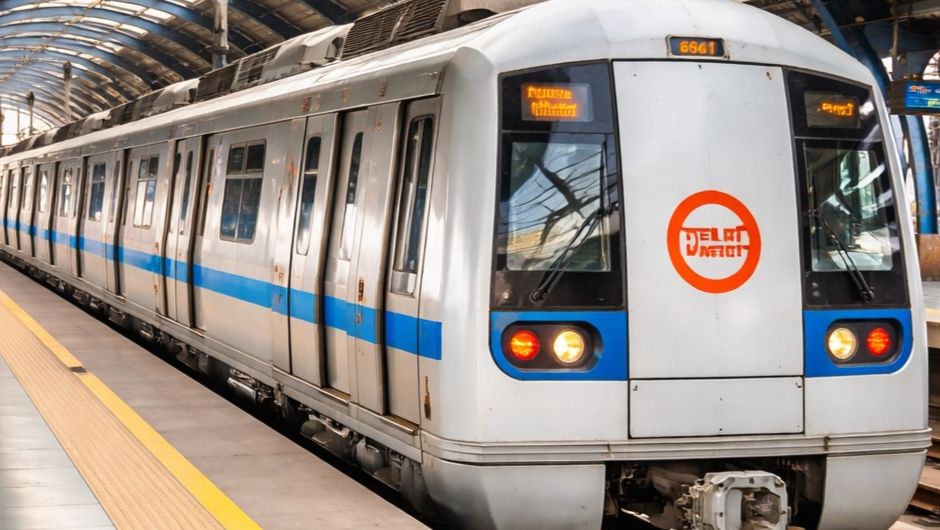
The Delhi Metro Rail Corporation (DMRC) has been at the forefront of this transformation. With multiple phases already completed and new corridors under construction, the Delhi Metro network continues to grow in both length and connectivity.
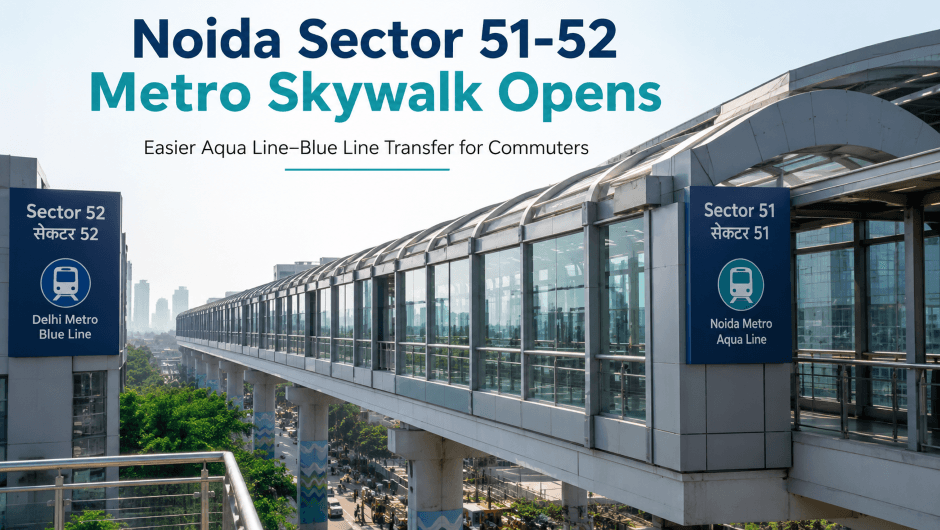
Ongoing Phase 4 projects are expected to further strengthen the network, improving last-mile connectivity and linking more residential and commercial areas across Delhi and the National Capital Region (NCR).
Key Contributions of Delhi Metro
- Extensive network coverage across Delhi-NCR
- Introduction of modern and energy-efficient trains
- Improved interconnectivity with other transport systems
- Consistent expansion through planned project phases
Government Push for Metro Expansion Across India
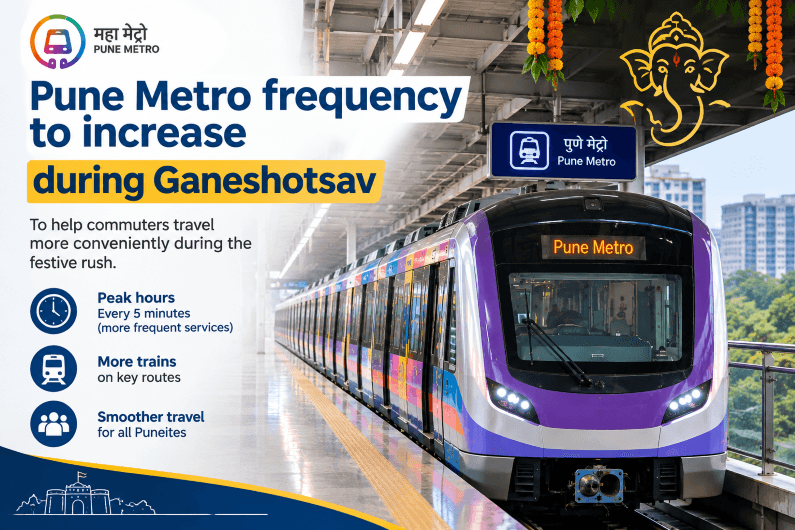
The Government of India has actively supported metro rail projects in several cities, including Mumbai, Bengaluru, Hyderabad, Pune, and Ahmedabad. Policy reforms, funding support, and faster project approvals have accelerated the pace of metro construction nationwide.
This expansion aligns with the government’s broader vision of sustainable urban development and efficient public transportation systems.
Impact on Urban Mobility and Infrastructure
The growth of metro networks has significantly improved daily commuting for millions of passengers. Reduced travel time, lower pollution levels, and decreased dependency on road transport are among the key benefits observed across metro cities.
Authorities including DMRC and other metro agencies continue to focus on adopting advanced technologies, enhancing passenger experience, and expanding reach to underserved areas.