Complete Guide: How to Buy and Use Metro Cards
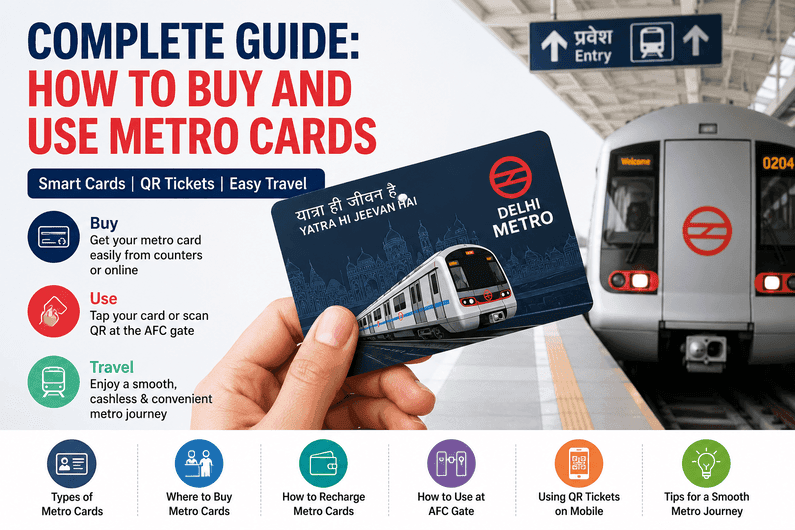
Learn step-by-step process to purchase and use metro cards in Indian cities. From selection to recharging, everything you need to know.
Understanding Metro Cards in India
Metro cards have revolutionized commuting in Indian cities by offering a seamless, cashless travel experience. Whether you're a daily commuter or an occasional traveler, understanding how to buy and use metro cards is essential for navigating urban transit systems efficiently.
Metro cards are rechargeable smart cards that allow you to access metro rail networks across major Indian cities including Delhi, Bangalore, Mumbai, Hyderabad, and Chennai. They eliminate the need for purchasing individual tokens or tickets for every journey.
Types of Metro Cards Available
Before purchasing a metro card, it's important to understand the different options available:
- Regular Metro Card: A basic rechargeable card for frequent and occasional travelers
- Student Card: Offers discounted fares for eligible students with valid identification
- Senior Citizen Card: Provides concessions for elderly passengers above 60 years
- Contactless/RFID Card: Advanced smart cards with radio frequency identification technology
- Tourist Card: Designed for visitors with validity ranging from 1 to 3 days
Step-by-Step Guide to Buying a Metro Card
Step 1: Locate the Customer Care Center
Visit the nearest metro station and find the Customer Care Center or ticket counter. These are typically located at the entrance or information booths within the station premises. Most major stations have dedicated counters for new card purchases.
Step 2: Gather Required Documents
Prepare the following documents based on the type of card you're applying for:
- For Regular Card: Valid photo identification (Aadhaar, PAN, Passport, or Driving License)
- For Student Card: Valid student ID or school/college enrollment certificate
- For Senior Citizen Card: Age proof document
- Passport-size photograph: Usually one or two photos depending on the metro system
Step 3: Fill the Application Form
Complete the metro card application form available at the counter. Provide accurate personal information including your name, address, contact details, and identification number. Ensure all fields are filled legibly.
Step 4: Submit Documents and Pay Registration Fee
Submit your completed form along with required documents and identification proof. Pay the applicable registration fee, which typically ranges from ₹50 to ₹100 depending on the card type and city. The staff will verify your documents and process your application.
Step 5: Add Initial Balance (Recharge)
Add your desired travel balance to the card. Most systems allow you to add any amount between ₹100 and ₹10,000 per transaction. Plan your balance based on your commuting frequency. You can always recharge later.
Step 6: Collect Your Metro Card
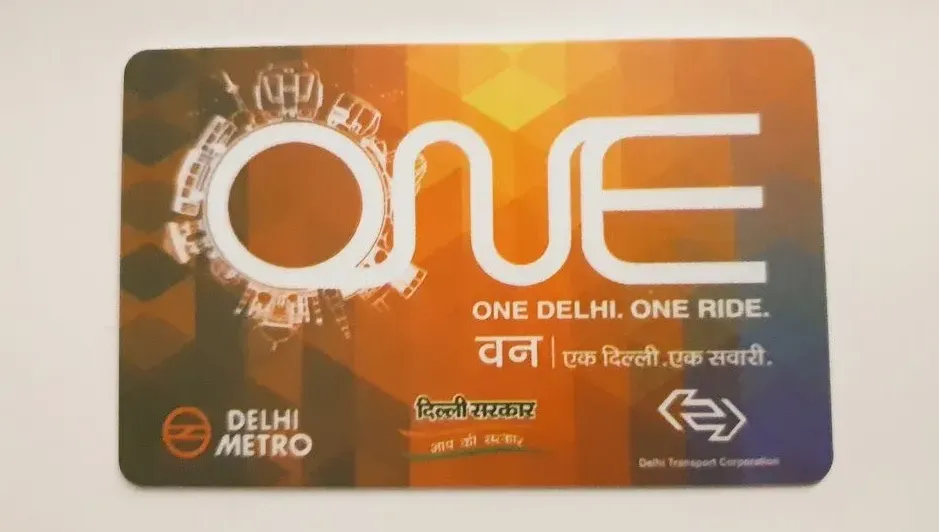
Once processed, you'll receive your personalized metro card with a unique card number. Keep this number safe for future reference and recharging. Your card is now ready to use.
How to Use Your Metro Card at Stations
Tapping at Entry Gates
When entering the metro station, locate the automatic fare gates (AFGs). Hold your metro card against the card reader sensor positioned at the gate. Wait for the green light and beep sound, indicating successful deduction. Push through the gate when it opens.
Checking Your Balance
Most stations have balance-checking machines where you can tap your card to view current balance and transaction history. This helps you plan recharges before your balance runs out. You can also check balance through dedicated mobile apps in many metro systems.
Exiting the Station
Upon reaching your destination, tap your card at the exit gate in the same manner. The appropriate fare for your journey will be automatically deducted based on your origin and destination stations. A beep and green light confirm successful exit.
Recharging Your Metro Card
Recharging is quick and convenient. You can recharge your card at:
- Metro Station Counters: Visit any customer care center or recharge counter
- Designated Kiosks: Self-service recharge machines available at major stations
- Mobile Apps: Many metros offer app-based recharging with online payment options
- Authorized Retailers: Selected convenience stores and metro-affiliated outlets
Simply provide your card number or tap your physical card, select the amount you wish to add, and make payment. Recharges are processed instantly, and you're ready to travel.
Useful Tips for Metro Card Users
- Always maintain a minimum balance to avoid gate denials during peak hours
- Keep your card safe and avoid bending or exposing it to extreme temperatures
- Register your card details with your contact number for easy claim in case of loss
- Monitor your balance regularly using station kiosks or mobile apps
- Take advantage of promotional offers and cashback schemes offered periodically
- Keep your card away from magnetic fields and RFID blocking devices
Lost or Damaged Card?
If your metro card is lost or damaged, visit the Customer Care Center with your identification proof. Provide your registered contact number and card details. Most metro systems can retrieve your balance and issue a replacement card within a few days. There may be a nominal replacement fee.
Conclusion
Metro cards have simplified urban commuting by offering a safe, convenient, and economical way to travel. By following these steps to purchase and use your metro card effectively, you can enjoy hassle-free journeys across your city's metro network. Whether you're a daily commuter or occasional traveler, having a metro card is the smart choice for modern urban transportation.