Find Top Attractions in India
Entry Fee & Ticket
Timings:- This fort opens from 9 am to 7 pm and remains closed on Sundays. | No Entry Fee
Opening Time & Days
Ginnorgarh Fort opening and closing timing is 10:00 AM to 05:00 PM (approx)
Open Days
Ginnorgarh Fort is open to visitors every day, except on Sunday.
Best Time to Visit
October, November, December
Place Visit With
Place Type
About Ginnorgarh Fort
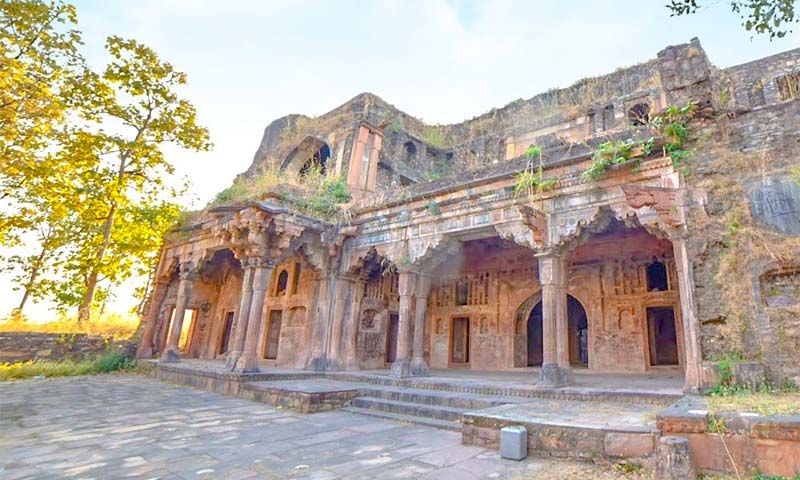
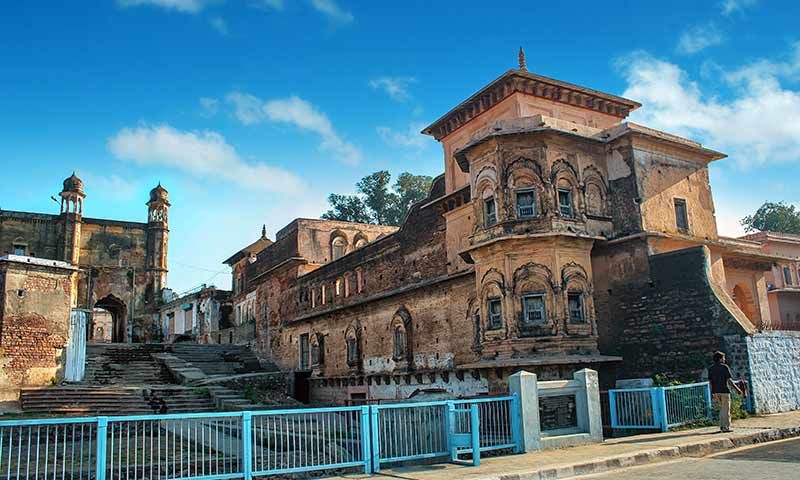
Ginnorgarh Fort showcases hilltop fort architecture typical of early medieval central India, later modified by Rajput and Sultanate rulers. The earliest construction is linked to the Gurjara-Pratihara dynasty (9th–10th century CE). Major expansions were carried out by the Kachhwaha Rajputs between the 11th and 15th centuries, followed by structural changes during the Malwa Sultanate in the 15th century. The fort was built using locally sourced sandstone and lime mortar, ensuring strength and durability. Its design reflects strong defensive planning, effective use of the natural hill terrain, and well-planned water-harvesting systems. Along with military structures, the fort also includes religious and civic spaces, showing how governance and daily life evolved over time.
Architecture of Ginnorgarh Fort
Ginnaurgarh Fort is a fine example of hill fort architecture of Central India of the early Middle Ages. Over time, it was further developed by Rajput rulers and later by the Sultanates. The first phase of construction dates back to the Gurjara-Pratihara dynasty (9th-10th centuries CE). The Kachwaha Rajputs added major extensions between the 11th and 15th centuries, followed by further modifications during the Malwa Sultanate in the 15th century. The fort was built mostly using local sandstone and lime mortar, making it strong and long-lasting. Its design showcases advanced defensive planning, smart use of natural hill slopes and an effective water-harvesting system. Along with military structures, the fort also houses religious and public spaces, reflecting the changing administrative and cultural needs of different kingdoms.
- Main fortified gateways with bastions
- Stone ramparts and watchtowers
- Ruins of palatial complexes
- Ancient Hindu temples
- Early Islamic mosque remains
- Courtyards and rainwater reservoirs
Interesting facts about Ginnorgarh Fort
- The fort’s walls follow the natural hill contours, reducing the need for excessive masonry.Sandstone blocks were dry-fitted in several sections, enhancing seismic stability.Water tanks were carved directly into bedrock to ensure year-round supply.Temple and mosque remains indicate peaceful reuse of space across dynasties.Ornamental fragments reveal both Nagara and Sultanate design influences.Archaeological surveys have identified habitation layers spanning over a millennium.
Ginnorgarh Fort FAQs:
Ginnorgarh Fort Neighbourhood
Explore nearby places within 5 km of Ginnorgarh Fort including attractions, cinemas, colleges, hospitals and more.
Explore Other Attractions Nearby
More places to visit in Bhopal

| Free Entry |
| Free Entry |
| Free Entry |
| Paid Entry |
| Free Entry |

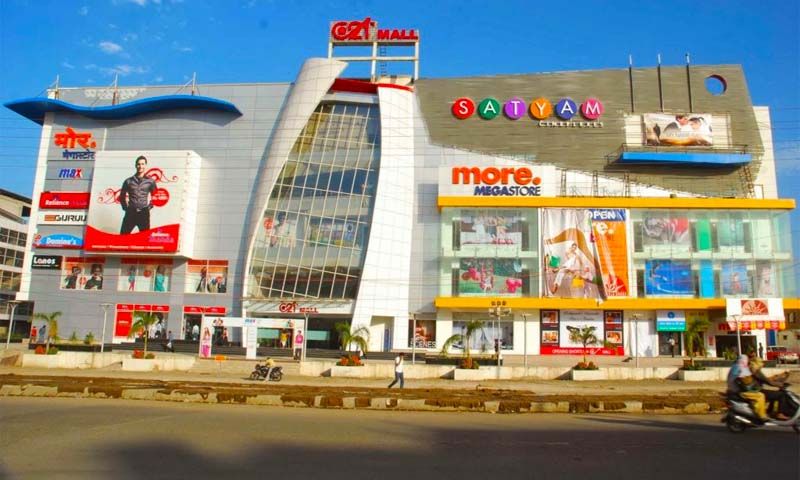
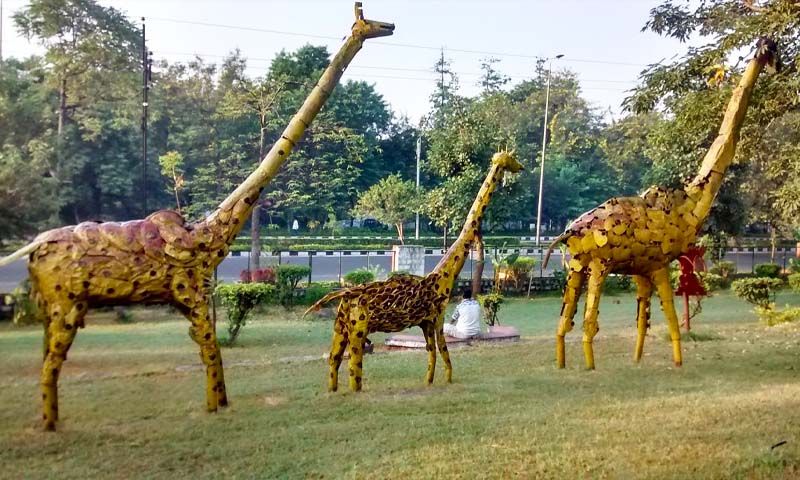
| Free Entry |

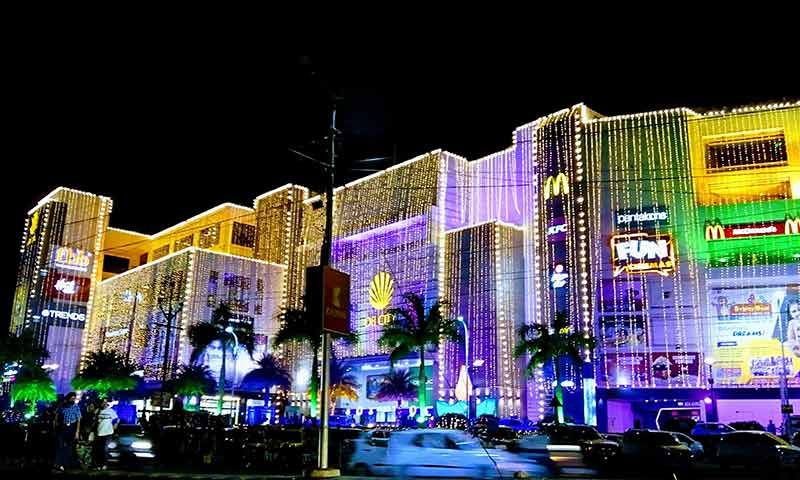
| Free Entry |
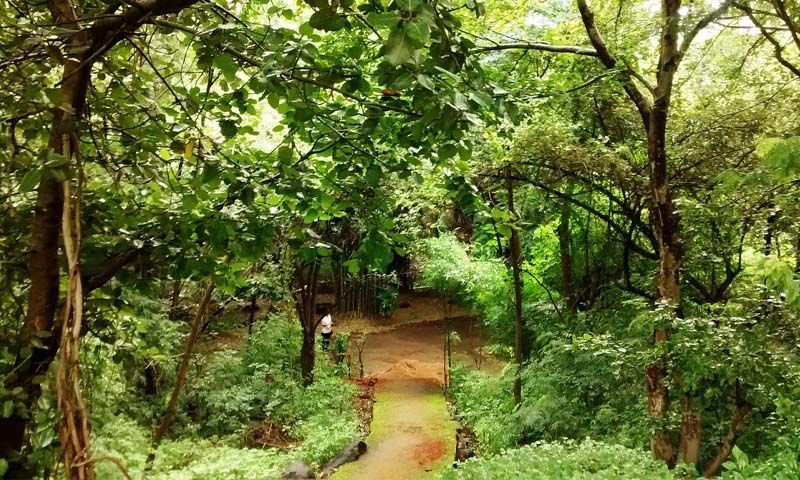
| Free Entry |
| Free Entry |
| Free Entry |