Find Top Attractions in India
Entry Fee & Ticket
No Entry Fees. You can visit on all days of the week from .6:00 AM - 6:00 PM. | General (Above 12 years of age) - ₹25/- for Indians and Foreigners (per person) - ₹300/-
Opening Time & Days
Adalaj Step Well opening and closing timings is 06:00 AM – 06:00 PM.
Open Days
The Well is open on all days of the week.
Best Time to Visit
January, February, March, April, May, June, July, August, September, October, November, December
Place Visit With
Place Type
How to Reach Adalaj Step Well
Here's the closest transport hub for each option, with the distance from Adalaj Step Well.
-
12.2 km awayBy air · Nearest AirportFly into Ahmedabad Airport
-
12.1 km awayBy rail · Nearest Railway StationTake a train to Naroda Railway Station
About Adalaj Step Well
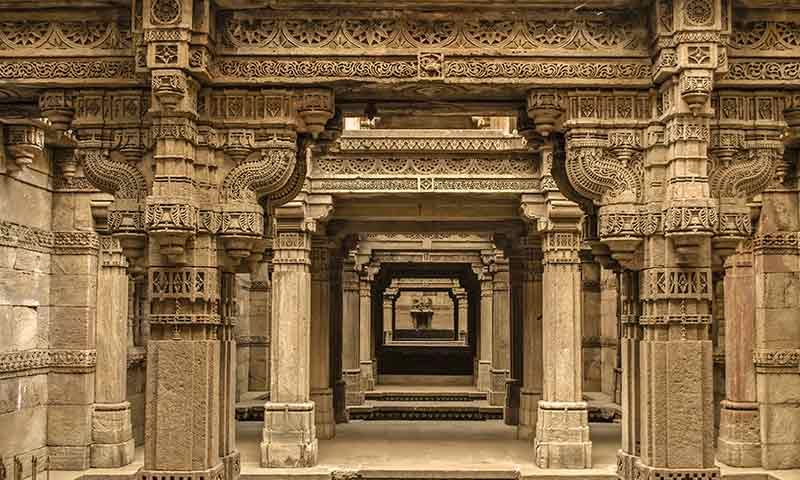
The Adalaj Stepwell in Ahmedabad, Gujarat, India, is a magnificent example of Indo-Islamic architecture and water engineering. Built in 1499 CE during the reign of Sultan Mahmud Begada of the Gujarat Sultanate, the stepwell served as both a resting place for travelers and a community water source. The stepwell is approximately 15 meters wide and 20 meters deep, with a total area of approximately 4,000 square meters. Its intricate carvings, massive pillars and geometric patterns showcase a fusion of Hindu and Islamic architectural influences, demonstrating exquisite craftsmanship.The well was designed to efficiently collect and conserve rainwater, demonstrating the advanced engineering techniques of the time. It also served as a cultural and social gathering place, making it a popular attraction for historians, tourists, and art enthusiasts.
Architecture of Adalaj Step Well
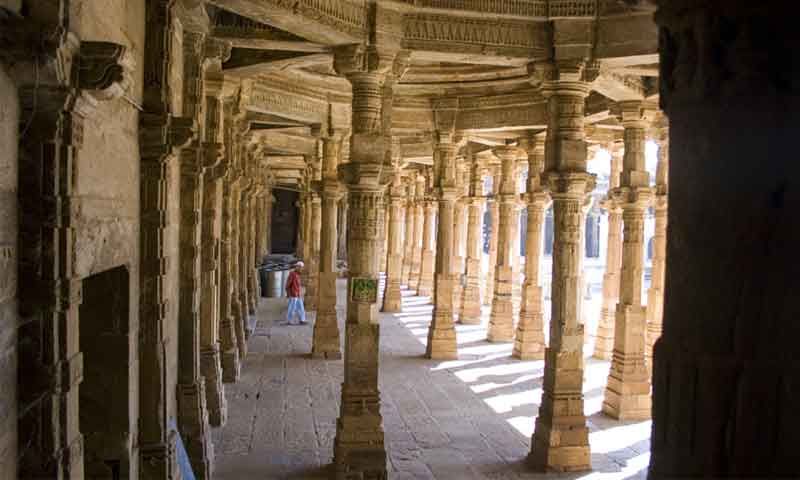
The Adalaj Stepwell is an example of a fusion of Hindu and Islamic architectural styles, characterized by beautiful carvings, stepped roofs and a similar layout. Built in 1499 CE during the reign of Sultan Mahmud Begada, this structure showcases the excellent engineering and beautifully planned architecture of the Gujarat Sultanate. The stepwell has multiple levels leading to the water, allowing year-round access. Its design focuses on ventilation, light and sound, as well as incorporating symbols such as lotus flowers and mythological figures.
- Main entrance gateway with intricately carved arches
- Five levels of stepped corridors leading to the water
- Four prominent pillars supporting each pavilion
- Inner and outer balconies for resting and social interaction
- Carved panels depicting deities, floral patterns, and geometric motifs
- Ornate ceilings and lattice work for aesthetic appeal and ventilation
- Small shrines and resting spaces integrated at each level
The stepwell's layout combines both function and ritual, reflecting the architectural acumen of the time and the aesthetic acumen of the rulers of the Gujarat Sultanate.
Interesting facts about Adalaj Step Well
- Constructed primarily with sandstone using advanced interlocking techniques for durability.The spiral staircase of the stepwell is designed in such a way that visitors can climb and descend simultaneously without crowding.Its geometric and floral carvings symbolize fertility, prosperity, and spiritual harmony.Water storage techniques in stepwells represent early innovations in sustainable architecture.Made of sandstone in the 15th century architectural style, this staircase at Adalaj is five stories deep.Somewhere in the crafts on the walls there are scenes of performances of women making buttermilk, dancers and musicians adorning themselves.
Adalaj Step Well FAQs:
Adalaj Step Well Neighbourhood
Explore nearby places within 5 km of Adalaj Step Well including attractions, cinemas, colleges, hospitals and more.
Explore Other Attractions Nearby
More places to visit in Ahmedabad
| Free Entry |
| Free Entry |

| Free Entry |
| Free Entry |
| Paid Entry |
| Free Entry |
| Free Entry |
| Free Entry |
| Paid Entry |
| Paid Entry |

| Free Entry |
| Free Entry |
| Free Entry |
| Free Entry |
| Free Entry |
| Free Entry |

