Find Top Attractions in India
Entry Fee & Ticket
No Entry Fees. The Ashram is open daily all the year-round, including the public holidays. | No Entry Fee
Opening Time & Days
Sabarmati Ashram opening and closing timings is 10:00 AM – 06:00 PM.
Open Days
The Ashram is open daily all year round including public holidays
Best Time to Visit
January, February, March
Place Visit With
Place Type
Official Info
Website 🔗Nearest Metro Stations
How to Reach Sabarmati Ashram
Here's the closest transport hub for each option, with the distance from Sabarmati Ashram.
-
5.2 km awayBy air · Nearest AirportFly into Ahmedabad Airport
-
3.5 km awayBy rail · Nearest Railway StationTake a train to Gandhigram Railway Station
About Sabarmati Ashram
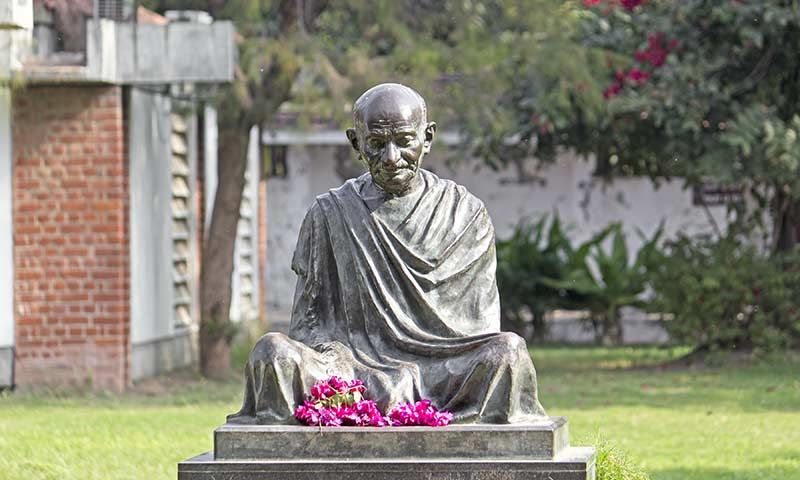
The original ashram was established in May 1915 at the Kocharab Bungalow of Jivanlal Desai, a barrister or friend of Gandhi. At that time ashram was called the Satyagraha Ashram. Mahatma Gandhi wanted to carry out activities like farming, animal husbandry and agriculture so they needed more space.
When Sabarmati Ashram was established on the banks of river Sabarmati, and then from the year 1917 to 1930, Mahatma Gandhi, served as one of the main centers of the Indian freedom struggle. From here on March 12, 1930, that Gandhiji launched the all over India famous Dandi march.
Architecture of Sabarmati Ashram
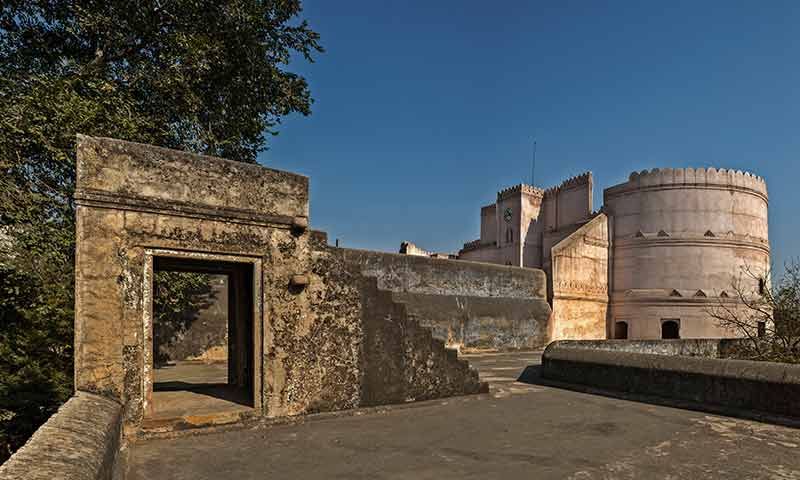
Bhadra Fort showcases Indo-Islamic military and palace architecture from the early 15th century, built during the reign of Sultan Ahmad Shah I (1411–1443 CE) of the Gujarat Sultanate. The fort was built primarily from local sandstone, brick, and lime mortar, ensuring its durability and weather resistance. Its architectural design combines Islamic structural planning with regional Hindu-Jain decorative influences, reflected in carved brackets and column styles. The fort's layout is based on defensive principles, with massive walls, bastions, and controlled gateways. During the Maratha period (18th century), administrative changes were made, while the British added a clock tower in 1878, blending historical features with colonial utility.
- Main fortified gateways
- Bhadra Kali Temple
- Royal palace complexes
- Open courtyards
- Watchtowers and bastions
- British-era clock tower
Interesting facts about Sabarmati Ashram
- The fort was named after the Bhadra Kali Temple, which reflects religious coexistence within a royal Islamic complex.A lamp dedicated to Lakshmi has been continuously lit by a Muslim family in one of the three gates for six hundred years.There is a tomb near Bhadra Gate dedicated to Siddiqui Kotwal and a temple of Bhadra Kali representing Lakshmi.Archaeological studies reveal reused artifacts from earlier Hindu structures.During Maratha rule, the Azam Khan Sarai was converted into a temple, housing a black idol of the four-armed goddess Bhadra Kali.The fort once served as a prison during the colonial period.Monument ImportanceBhadra Fort holds immense historical significance as the site around which Ahmedabad developed. It reflects the changes that occurred during the political authority of the Gujarat Sultanate and later under the Maratha and British administrations. The monument remains an important reference point for understanding medieval urban planning, cultural interactions and the development of governance in western India.
Sabarmati Ashram FAQs:
Sabarmati Ashram Neighbourhood
Explore nearby places within 5 km of Sabarmati Ashram including attractions, cinemas, colleges, hospitals and more.
Explore Other Attractions Nearby
More places to visit in Ahmedabad
| Free Entry |

| Free Entry |
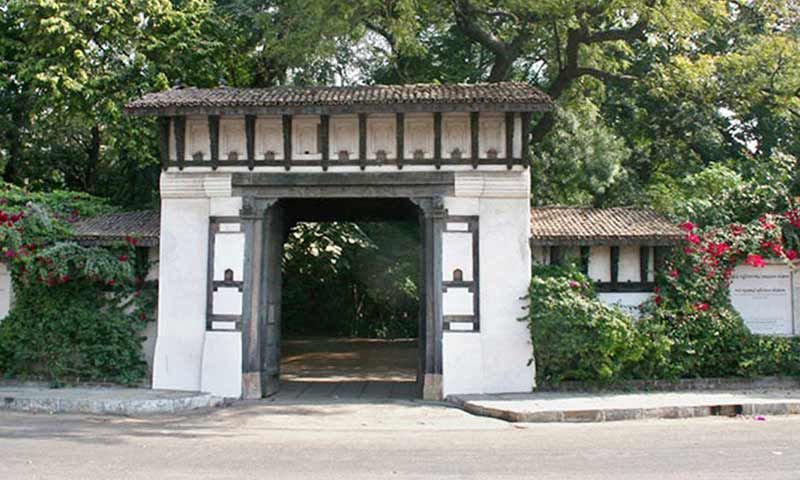
| Free Entry |
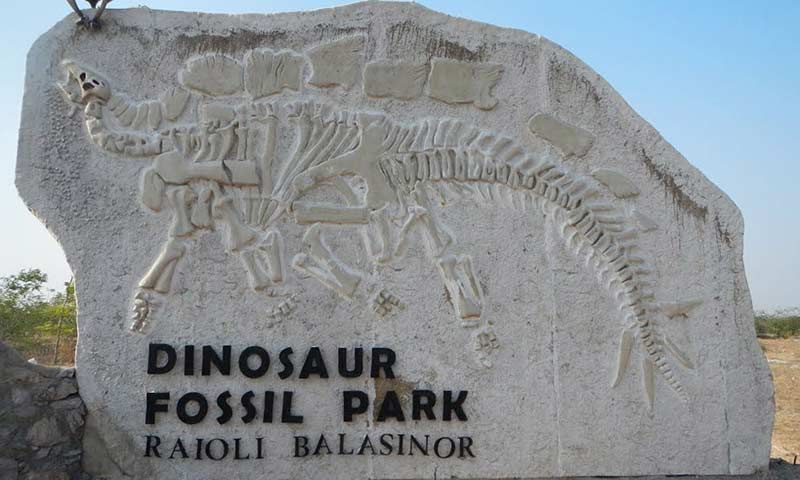

| Paid Entry |
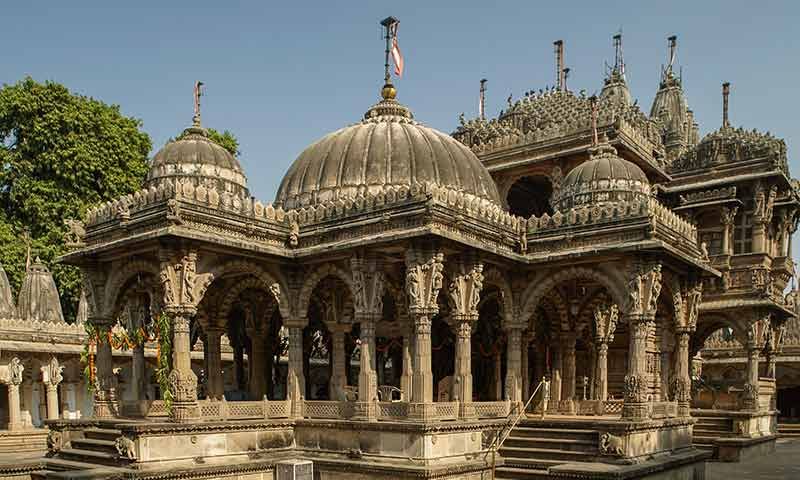
| Free Entry |
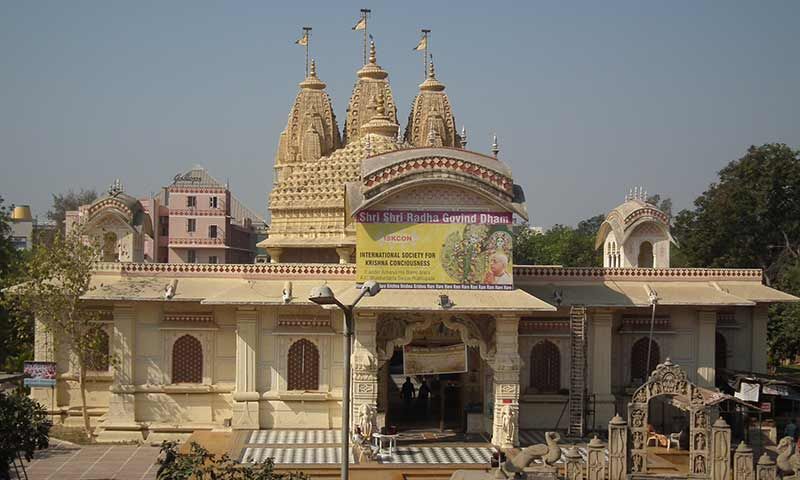
| Free Entry |
| Free Entry |
| Paid Entry |
| Paid Entry |

| Free Entry |
| Free Entry |
| Free Entry |
| Free Entry |
| Free Entry |
| Free Entry |

