Find Top Attractions in India
Entry Fee & Ticket
No Entry Fees. Shah-e- Alam Roza is open from 9 AM in the morning till 6 PM in the evening on all days of the week. | No Entry Fee
Opening Time & Days
Shah-e-Alam's Roza opening and closing timings is 04:00 AM – 10:30 PM.
Open Days
Shah-e-Alam's Roza is open on all days of the week.
Best Time to Visit
May, June, July, August
Place Visit With
Place Type
Nearest Metro Stations
How to Reach Shah-e-Alam's Roza
Here's the closest transport hub for each option, with the distance from Shah-e-Alam's Roza.
-
8.8 km awayBy air · Nearest AirportFly into Ahmedabad Airport
-
3.5 km awayBy rail · Nearest Railway StationTake a train to Ahmedabad Railway Station
About Shah-e-Alam's Roza
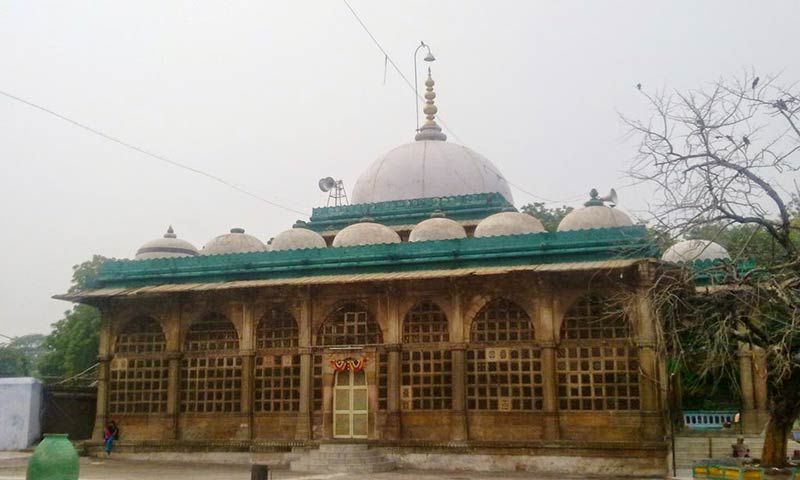
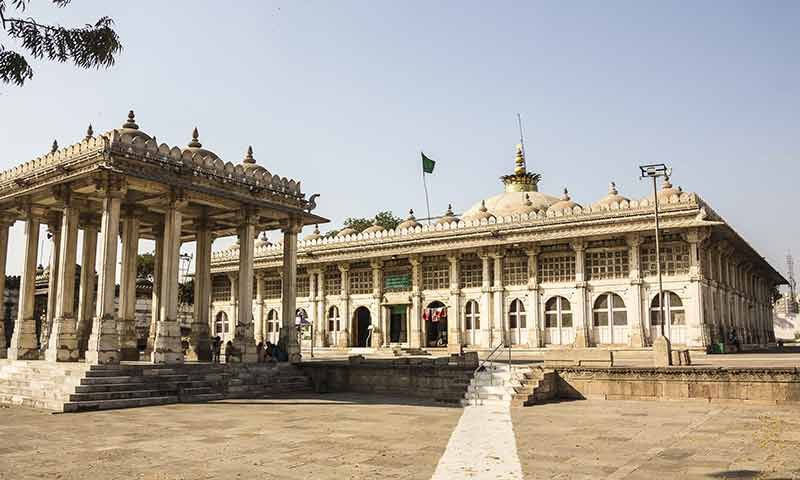
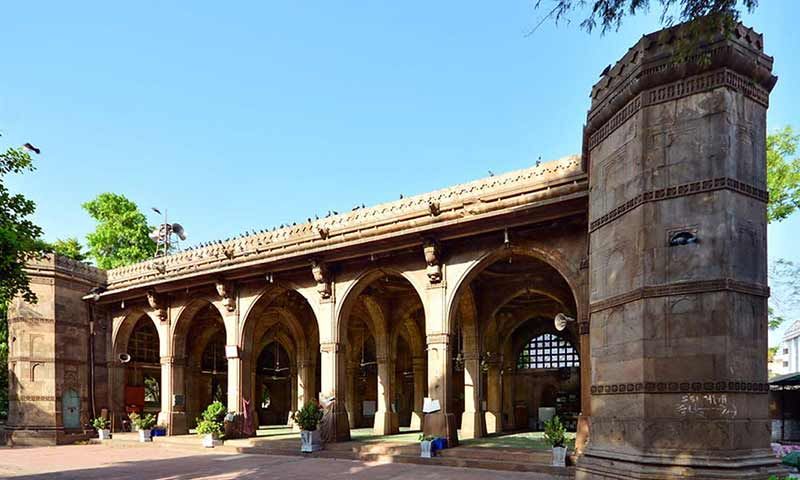
Shah-e-Alam Ka Roza is a prominent Sufi mausoleum in Ahmedabad, Gujarat, associated with the revered saint Shah Alam, son of the city's founder, Sultan Ahmad Shah I. Built in the late 15th century under the Gujarat Sultanate, the monument marks Ahmedabad's emergence as a major spiritual and cultural center. The complex remains an active pilgrimage site, especially for followers of the Sufi tradition, and is a valuable site for heritage tourism. Spread over approximately 12,000 square meters, the Shah-e-Alam Ka Roza comprises a mosque and tomb complex. Its Specific features include intricately carved stone screens, balanced symmetry, and regional Indo-Islamic influences, which are speciality of Gujarat Sultanate architecture.
Architecture of Shah-e-Alam's Roza
The Shah-i-Alam Roza is an example of classic Indo-Islamic architecture, influenced by the aesthetic ethos of the Gujarat Sultanate, which combined Persian elements with local craftsmanship. The complex's architectural development spanned the late 15th to early 17th centuries, overseen by the Gujarat Sultanate and later by the region's nobles. The main tomb consists of a square room with a central dome, flanked on either side by two revolving and smaller domes, connected by intricately carved stone lattices. In the early 17th century, patrons such as Najabat Khan and Saif Khan added a mosque with slender minarets and multiple domes, further enhancing the complex's grand scale. Islamic design principles, including uniform planning, pointed arches, geometric decoration and pierced screens, characterize it. The fortified enclosure, with its gates and other features, recalls the typical funeral and devotional practices of the Sufi complex of the time.
- Main Tomb of Shah e Alam
- Secondary tombs for family and nobility
- Mosque with minarets
- Assembly hall (Diwan Khana)
- Fortified bastioned walls and gateways
- Ablution reservoir and courtyard space
Interesting facts about Shah-e-Alam's Roza
- The tomb’s central dome rises above a square chamber with concentric corridors, showcasing advanced structural planning for its era.Intricate marble jali screens and perforated stone windows were carved with varied geometric patterns, reflecting high craftsmanship.Shah-e-Alam's Roza,s minarets of the mosque were damaged by the 1819 Rann of Kutch earthquake but were restored in 1863.The complex has served as both a funerary and community space, including religious education historically imparted at the madrasa.Shah-e-Alam's Roza Groundbreaking work is start in 1475 and finishes in 1575, in between 100 years of time taking.The layout, with courtyards and water features, integrates symbolic elements of purity and reflection typical of Islamic funerary complexes.
Shah-e-Alam's Roza FAQs:
Shah-e-Alam's Roza Neighbourhood
Explore nearby places within 5 km of Shah-e-Alam's Roza including attractions, cinemas, colleges, hospitals and more.
Explore Other Attractions Nearby
More places to visit in Ahmedabad
| Free Entry |
| Free Entry |
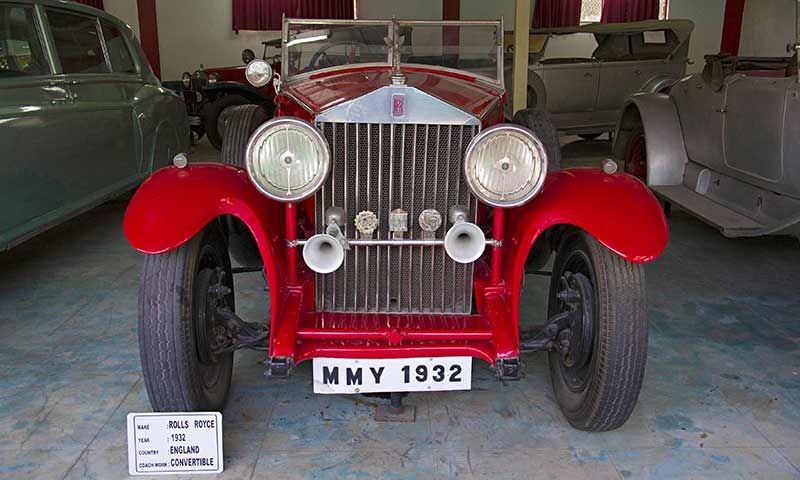
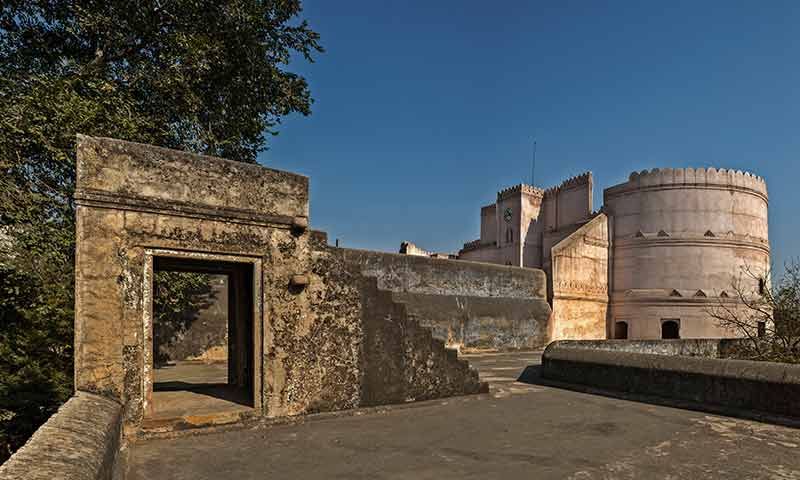
| Free Entry |
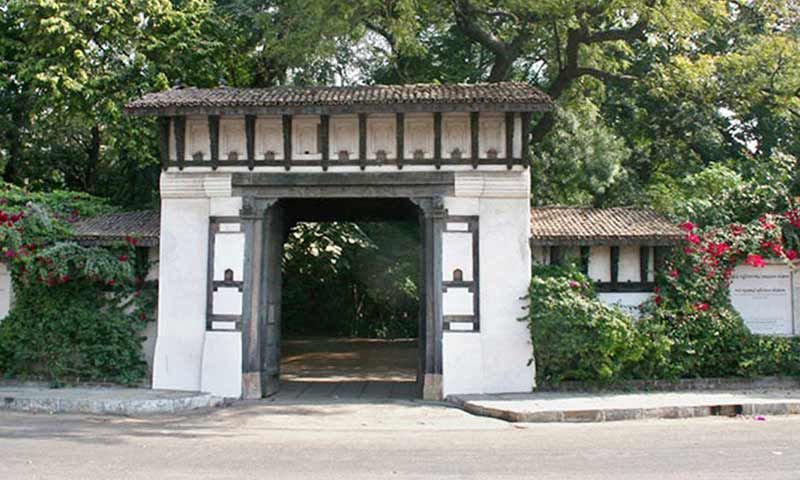
| Free Entry |
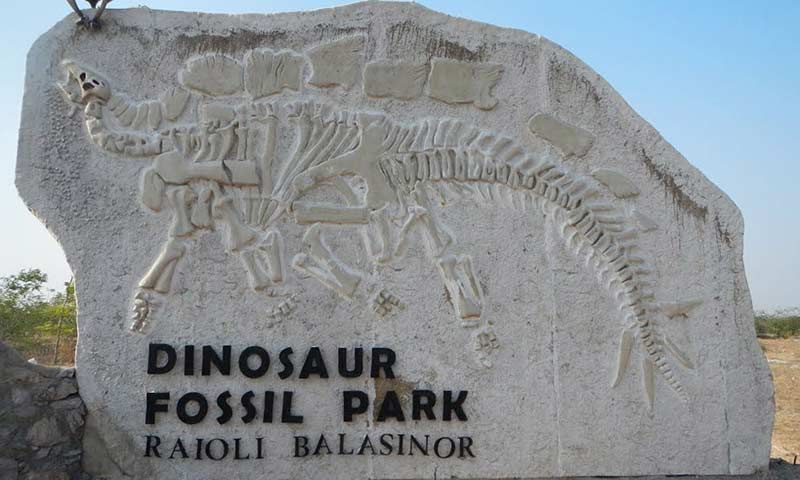
| Paid Entry |
| Free Entry |
| Free Entry |
| Free Entry |
| Paid Entry |
| Paid Entry |

| Free Entry |
| Free Entry |
| Free Entry |
| Free Entry |
| Free Entry |

