Find Top Attractions in India
Entry Fee & Ticket
Hawa Mahal is open from 09:00 am to 05:00 pm all days in week, The entry fee for Indian Rs 50 and for foreigner Rs 200. | Indian Adult - ₹50/-, Children (above 7 years) - ₹50/-, Indian Student - ₹20/-
Opening Time & Days
Hawa Mahal opening and closing timing is 09:00 AM – 06:30 PM
Open Days
Jaipur Hawa Mahal is open every day for visitors
Best Time to Visit
October, November, December
Place Visit With
Place Type
Official Info
Website 🔗Nearest Metro Stations
How to Reach Hawa Mahal
Here's the closest transport hub for each option, with the distance from Hawa Mahal.
-
10.1 km awayBy air · Nearest AirportFly into Jaipur International Airport
-
3.0 km awayBy rail · Nearest Railway StationTake a train to Jaipur Junction Railway Station
About Hawa Mahal
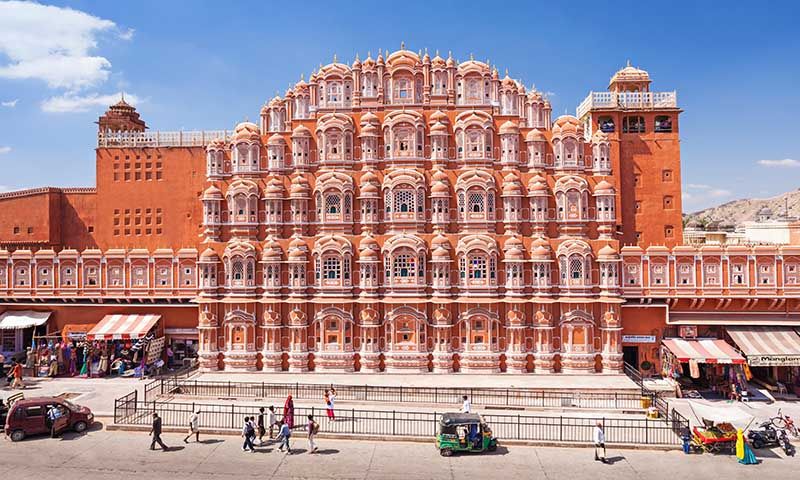
Hawa Mahal, located in the historic core of Jaipur, was constructed in 1799 CE by Maharaja Sawai Pratap Singh of the Kachwaha dynasty as part of the City Palace complex. Built during the late Rajput period, the monument reflects the social practice of purdah, allowing royal women to observe daily life and festivals without being seen. Covering an area of approximately 5,000 square metres, Hawa Mahal is an important cultural landmark and a major tourism attraction. Its specific five-storey façade, inspired by the crown of Lord Krishna, blends Rajput decorative traditions with Mughal architectural influences and climate-responsive design.
Architecture of Hawa Mahal
Hawa Mahal exemplifies a fusion of Rajput and Mughal architectural styles, typical of late eighteenth‑century Jaipur under the Kachwaha rulers. Designed by architect Lal Chand Ustad in 1799 CE for Maharaja Sawai Pratap Singh, the palace is constructed from locally quarried red and pink sandstone, bonded with lime mortar and carved with intricate latticework. The façade rises in a pyramidal form about 15 m high, creating a shallow but ornate structure. Its 953 small jharokhas, each with delicate stone screens, not only provide privacy but also regulate light and airflow, keeping the interior cool a climatic adaptation well ahead of its time. The palace’s form symbolises both royal identity and functional ventilation, with its ornamental arches and domed canopies reflecting Rajput aesthetic elements and Mughal symmetry.
- Five storeys forming a pyramidal façade
- 953 latticed jharokhas (windows)
- Main entrance and rear ramps
- Central courtyard adjoining the City Palace complex
- Domes, chhatris, and decorative arches
Interesting facts about Hawa Mahal
- This palace built without any base is the tallest palace in the world.There is no entrance on the side facing the wind. If you want to go inside you have to go through the back section. There are a total of five storeys in the Hawa Mahal and even today this palace successfully stands at an angle of 87 degrees in its place.The 953 windows are arranged in precise geometric repetition.Pink sandstone was chosen to match Jaipur’s planned urban identity.The layout symbolises royal privacy combined with urban engagement.
Hawa Mahal FAQs:
Hawa Mahal Neighbourhood
Explore nearby places within 5 km of Hawa Mahal including attractions, cinemas, colleges, hospitals and more.
Explore Other Attractions Nearby
More places to visit in Jaipur
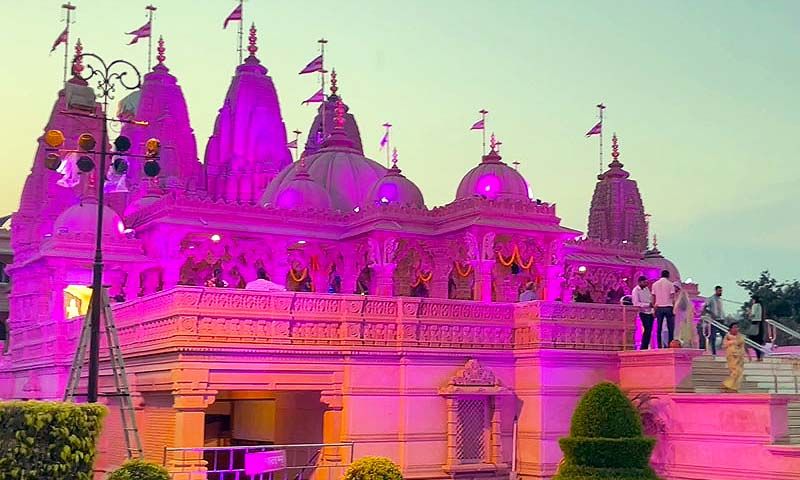
| Free Entry |
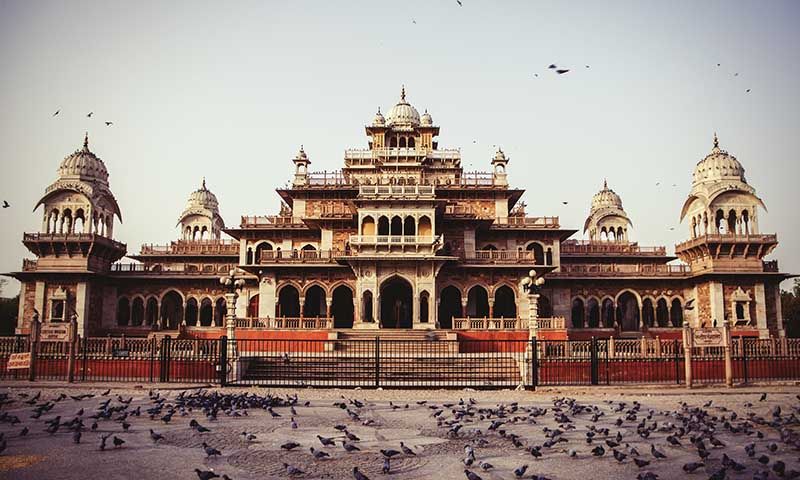
| Paid Entry |
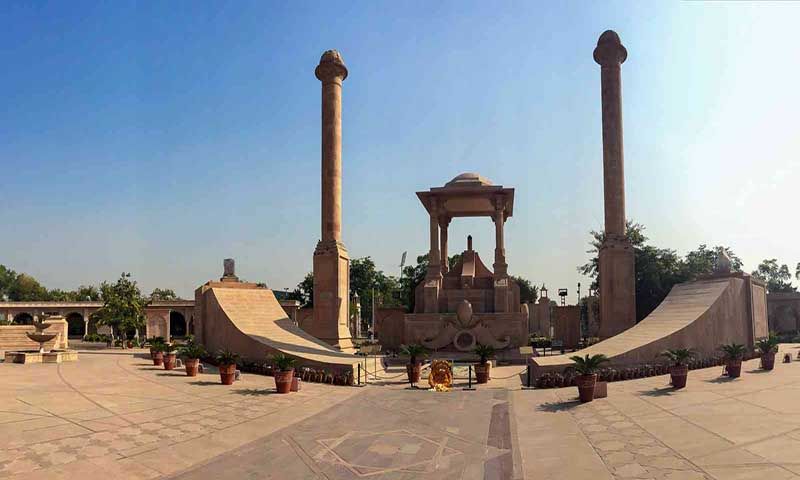
| Free Entry |
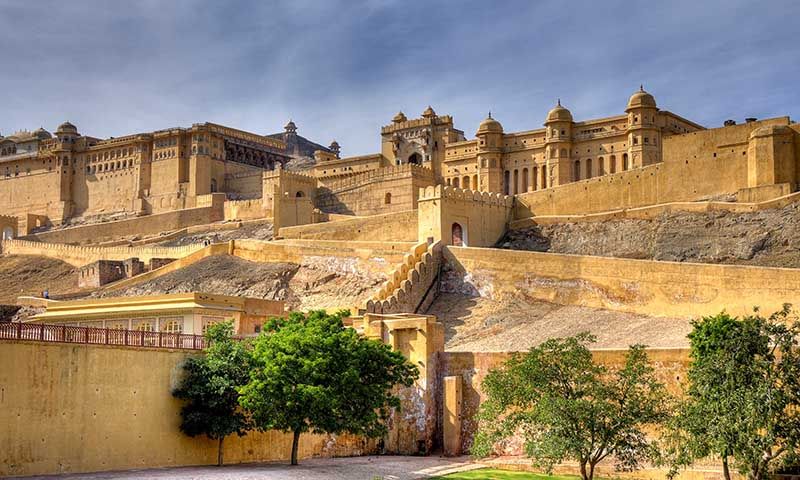

| Free Entry |
| Free Entry |
| Free Entry |
| Paid Entry |
| Free Entry |
| Free Entry |
| Paid Entry |
| Paid Entry |
| Paid Entry |