Find Top Attractions in India
Entry Fee & Ticket
Jal Mahal is open from 06:00 am to 06:30 pm all days in week, The entry fee for Indian Rs 10 and for foreigner Rs 50. | No Entry Fee
Opening Time & Days
Jal Mahal opening and closing timing is 06:00 AM – 06:30 PM
Open Days
The Jal Mahal is open every day for visitors
Best Time to Visit
April, May, June
Place Visit With
Place Type
Official Info
Website 🔗Nearest Metro Stations
How to Reach Jal Mahal
Here's the closest transport hub for each option, with the distance from Jal Mahal.
-
13.7 km awayBy air · Nearest AirportFly into Jaipur International Airport
-
6.0 km awayBy rail · Nearest Railway StationTake a train to Jaipur Junction Railway Station
About Jal Mahal
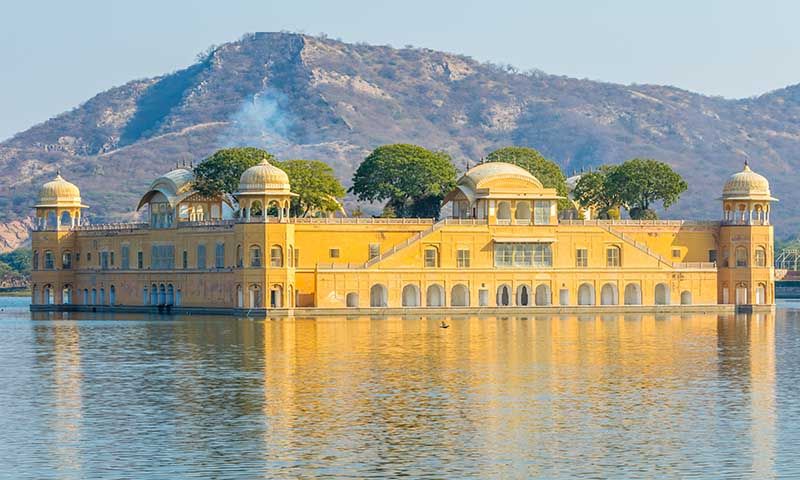
Jal Mahal, located on Amer Road in Jaipur, is a magnificent palace built in the middle of the Man Sagar Lake, showcasing the splendor of Rajput and Mughal architecture. Built in the early 18th century during the reign of Maharaja Madho Singh I, the palace served as a summer retreat and duck hunting destination. Spread over approximately 4 hectares, Jal Mahal is known for its unique waterfront location, unique layout and a blend of Rajput and Mughal design elements. The palace's sandstone construction, intricate chhatris (domed pavilions), and beautiful carvings reflect the architectural beauty of the era and also symbolize harmony with nature.
Architecture of Jal Mahal
Jal Mahal is an example of the Rajput-Mughal architectural style, which combines Mughal style and Rajput decoration. Originally built in the early 18th century during the reign of Maharaja Jai Singh II, the palace underwent extensive renovations during the reign of Maharaja Madho Singh I, reflecting the architectural evolution of Jaipur's rulers.
The palace is built mostly of red sandstone, a hallmark of Rajput architecture, with carved balconies, jharokhas (overhanging enclosed balconies) and ornamental domes. The structural engineering features advanced water management techniques, allowing four floors to remain submerged while maintaining structural stability. Its graceful form is in harmony with the palace's Man Sagar Lake, creating a floating illusion that enhances Jaipur's cityscape.
Its architecture is a combination of aesthetic design and functional planning:- Four symmetrical corner chhatris (domed pavilions)
- Main central dome atop the five-storey palace (with four floors submerged)
- Extensive terraces and balconies offering panoramic views of the Aravalli hills
- Fortified walls integrating Rajput defensive elements
- Gardens and water channels reflecting Mughal-influenced landscape planning
- Single main entrance leading from the lake edge
Interesting facts about Jal Mahal
- The lower four floors of the palace remain submerged for most of the year, demonstrating advanced water management design.The Jal Mahal was built as a picnic spot rather than a living space, so there are no separate rooms inside.It is believed that the palace was built during a famine, when the lake bed completely dried up. Therefore, when it was built, it was completely visible.The stone walls of this palace were built so strongly that water could not penetrate them. Limestone was used to strengthen the walls.The Jal Mahal is now also being developed as a bird sanctuary. More than 100,000 trees have been planted in the Jal Mahal nursery. This nursery is the tallest tree nursery in Rajasthan.The Jal Mahal is submerged in the lake, and the only way to reach it is by boat. The palace has been declared a protected property by the government, so boat rides and entry into the palace complex are currently prohibited.
Jal Mahal FAQs:
Jal Mahal Neighbourhood
Explore nearby places within 5 km of Jal Mahal including attractions, cinemas, colleges, hospitals and more.
Explore Other Attractions Nearby
More places to visit in Jaipur
| Paid Entry |
| Free Entry |
| Paid Entry |
| Free Entry |
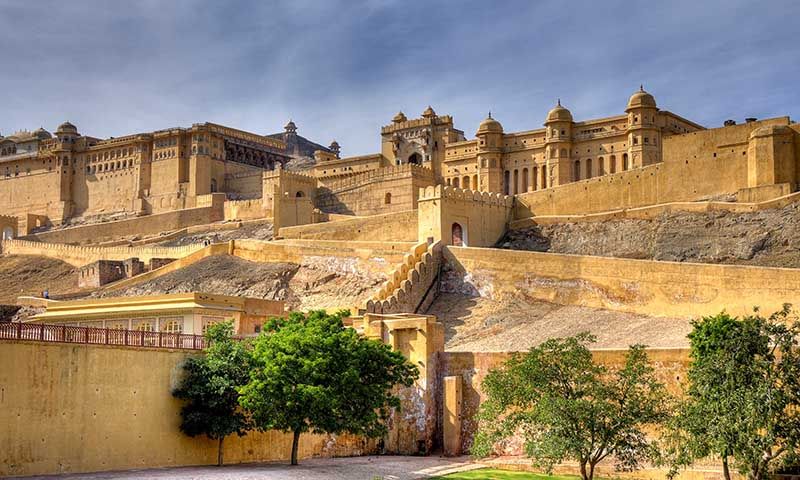

| Free Entry |
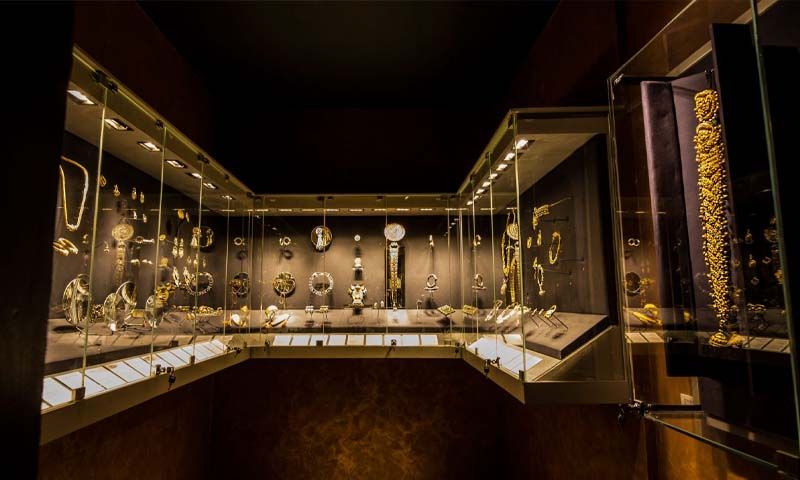
| Free Entry |
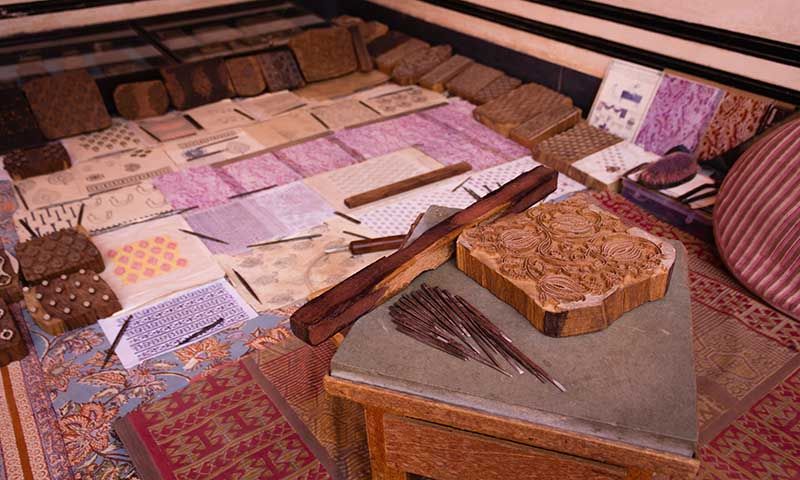
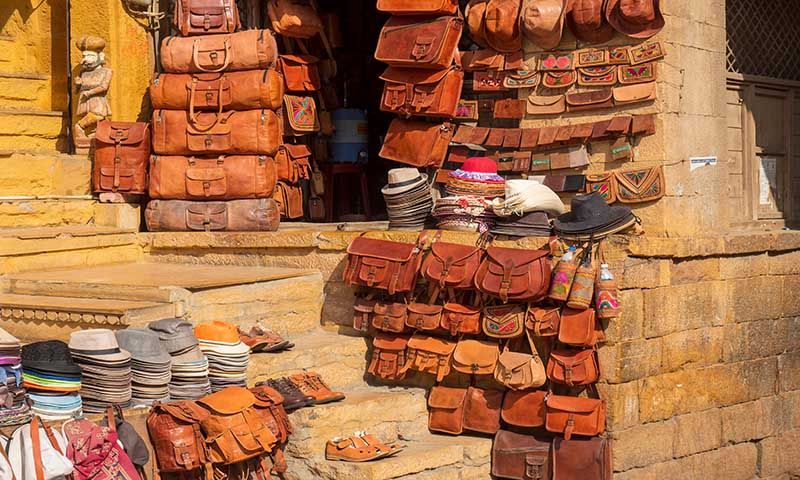
| Free Entry |
| Free Entry |
| Paid Entry |
| Free Entry |
| Free Entry |
| Paid Entry |
| Paid Entry |
| Paid Entry |