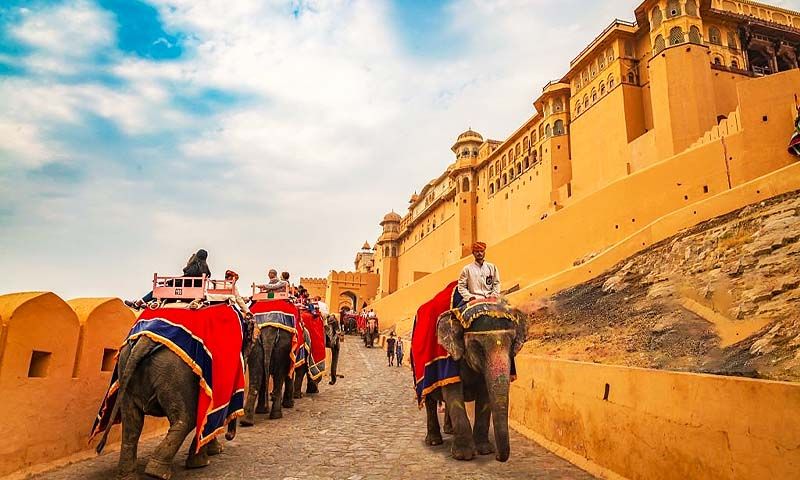
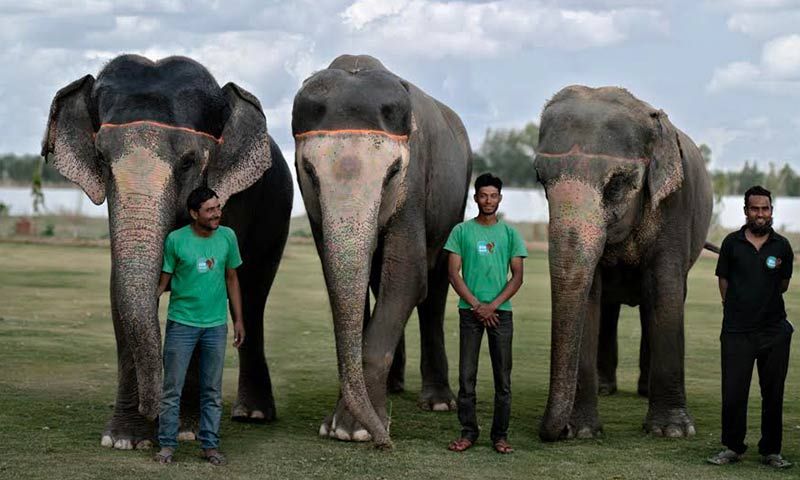
Find Top Attractions in India
Entry Fee & Ticket
Nahargarh fort is open from 10:00 am to 05:30 pm all days in week. Entry fee for Indian Rs 50 and for foreigner Rs 200. | Indian Adult - ₹50/-, Children (above 7 years) - ₹50/-, Indian Student - ₹05/-, Foreigner Adult - ₹200/-, Foreigner Student - ₹25/-
Opening Time & Days
Nahargarh Fort opening and closing timing is 10:00 AM – 05:30 PM
Open Days
The Nahargarh Fort and palace is open every day for visitors, only closed on Dhulandi (holi) festival.
Best Time to Visit
April, May, June
Place Visit With
Place Type
Official Info
Website 🔗Nearest Metro Stations
How to Reach Nahargarh Fort
Here's the closest transport hub for each option, with the distance from Nahargarh Fort.
-
12.2 km awayBy air · Nearest AirportFly into Jaipur International Airport
-
3.0 km awayBy rail · Nearest Railway StationTake a train to Jaipur Junction Railway Station
About Nahargarh Fort
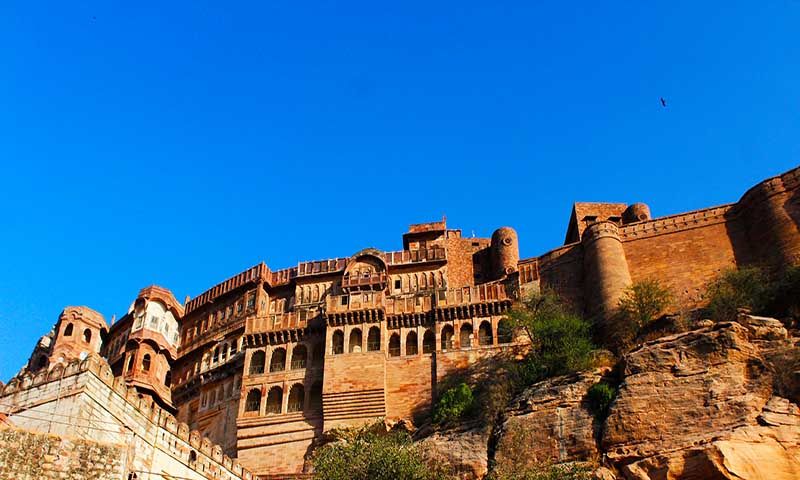
Nahargarh Fort, Jaipur, Rajasthan, is located in the Aravalli Hills. It was originally built in 1734 by Maharaja Sawai Jai Singh II as a strategic defense post to protect the city. The fort's name, which means "home of tigers," reflects both its magnificent location and the royal hunting traditions of the era. Spread over an area of approximately 3,500 square metres, Nahargarh Fort is famous for its spectacular views of Jaipur and its blend of Rajput and European architectural elements. Its features include strong walls, intricately decorated palaces and magnificent terraces, showcasing a blend of military design and living space. The fort remains a significant cultural and tourist landmark, attracting visitors for its historical significance, architectural splendor, and beautiful views.
Architecture of Nahargarh Fort
Nahargarh Fort displays a unique blend of Rajput military architecture and European influences. It was built in 1734 during the reign of Maharaja Sawai Jai Singh II, and significantly expanded by Maharaja Sawai Pratap Singh in the late 18th century. Built mostly of local sandstone and lime mortar, the fort displays both defensive skills and living elegance. Its high position atop the Aravalli Hills made it possible to strategically observe and defend Jaipur.
- Main Gate – fortified entry with intricate carvings and watchtowers
- Palech Palace – royal residential complex with ornate rooms and courtyards
- Terraced Gardens – layered gardens integrated into the hillside
- Bastions and Ramparts – defensive walls and lookout points
- Water Tanks – cisterns for rainwater harvesting and storage
- Residential Quarters – chambers for soldiers and attendants
- Temples and Shrines – small structures reflecting local religious practices
The layout balances military functionality with living comfort, while the combination of arches, balconies and European-style exteriors reflects the cross-cultural architectural influences prevalent in the 18th century.
Interesting facts about Nahargarh Fort
- The walls of Nahargarh Fort were designed with sloping walls to better defend against attackers.The fort includes a rainwater harvesting system through underground tanks and channels, an early example of sustainable engineering.Many palaces within the fort feature Mughal-inspired frescoes and European-style plasterwork, demonstrating an artistic fusion.The fort's location offers unobstructed views of Jaipur's old city, enabling real-time strategic surveillance during historic battles.Excavations and restoration have uncovered original stone carvings, decorative designs, and inscriptions that reveal the fort's history.The fort served as a royal retreat and hunting ground, reflecting both the functional and ceremonial aspects of Rajput lifestyle and court culture.
Nahargarh Fort FAQs:
Nahargarh Fort Neighbourhood
Explore nearby places within 5 km of Nahargarh Fort including attractions, cinemas, colleges, hospitals and more.
Explore Other Attractions Nearby
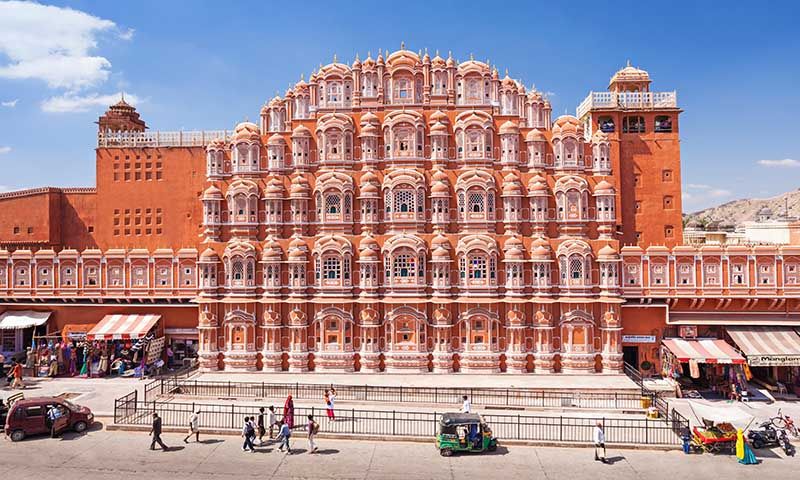
More places to visit in Jaipur
| Paid Entry |
| Free Entry |
| Paid Entry |
| Free Entry |

| Free Entry |
| Free Entry |
| Free Entry |
| Free Entry |
| Paid Entry |
| Free Entry |
| Free Entry |
| Paid Entry |
| Paid Entry |
| Paid Entry |