Find Top Attractions in India
Entry Fee & Ticket
Timings:- Begum Samru's palace opens from 10 am to 4 pm. Entry Fee :- Free | No Entry Fee
Opening Time & Days
The Begum Samru Palace is opening and closing timing is 9:00 AM to 5:00 PM.
Open Days
Begum Samru Palace is open every day for visitors.
Best Time to Visit
July, August, September
Place Visit With
Place Type
About Begum Samru Palace
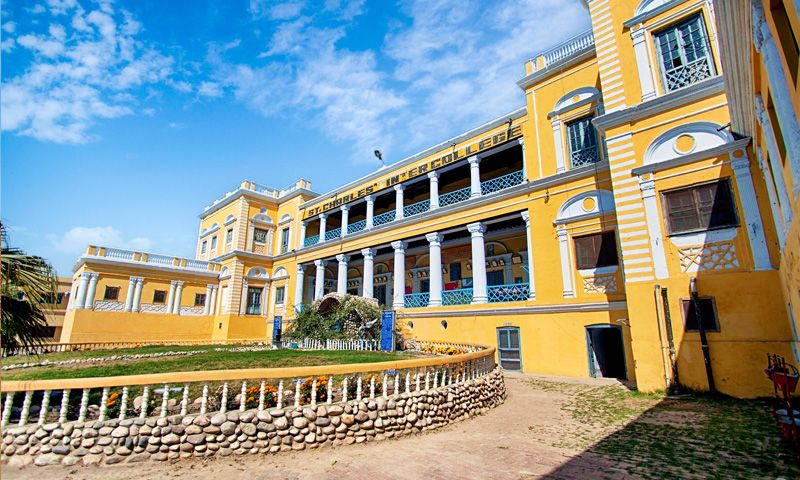
Begum Samru Palace, located in Chandni Chowk, Delhi, is a unique example of 18th- and 19th-century Indo-European architecture. Built under the supervision of Begum Samru, the powerful ruler of Sardhana, it reflects her political and social influence during the late Mughal period. The complex, spread over approximately 1.5 hectares, served as both a residence and an administrative center. Its design reflects a blend of Mughal and European elements, including intricately carved balconies, arched facades, and classical columns. The palace is a must-see cultural and historical site, attracting historians and tourists interested in Delhi's colonial and pre-colonial heritage. It also offers a glimpse into the lifestyle and legacy of one of India's most prominent female leaders.
Architecture of Begum Samru Palace
Begum Samru Palace shows a unique mix of Mughal and European architectural styles, reflecting the tastes of its patron. Built mainly with local stone and lime mortar, the palace was developed during Begum Samru’s reign (1760–1836). Its design combines Mughal symmetry, European columns, and decorative cornices, making it an early example of Indo-European hybrid architecture. Key structural elements include:
- Main residential building with elaborate balconies and courtyards
- Private mosque within the palace complex
- Formal gardens inspired by Mughal charbagh layouts
- Defensive walls and gateways surrounding the estate
- Residential quarters for attendants and soldiers
- Watchtowers providing strategic views of Chandni Chowk
The palace emphasizes strength and beauty, with attention to proportions, ventilation, and natural light, combining practical use with decorative elements.
Interesting facts about Begum Samru Palace
- Begum Samru lived lavishly in this huge white mansion, which was considered one of the grandest houses in Delhi with huge pillars and large rooms.Arched verandas and ornate balconies display early European influences uncommon in contemporary Delhi palaces.The internal courtyard layout follows the Mughal charbagh pattern, symbolizing paradise and balance.Begum Samru, originally a Muslim nautch girl, became a ruler and built one of the few surviving female-led palatial estates in India.Historical excavations revealed original frescoes and decorative motifs that highlight cross-cultural artistic integration.The palace’s design incorporated early innovations in water drainage and ventilation, ensuring comfort in Delhi’s climate.
Begum Samru Palace FAQs:
Begum Samru Palace Neighbourhood
Explore nearby places within 5 km of Begum Samru Palace including attractions, cinemas, colleges, hospitals and more.
Explore Other Attractions Nearby
More places to visit in Delhi
| Paid Entry |
| Paid Entry |
| Free Entry |
| Free Entry |

| Free Entry |
| Free Entry |
| Free Entry |
| Paid Entry |

| Paid Entry |
| Free Entry |
| Free Entry |
| Free Entry |
| Free Entry |
| Free Entry |
| Free Entry |
| Free Entry |
| Free Entry |
| Free Entry |
| Free Entry |
| Free Entry |

