Find Top Attractions in India
Entry Fee & Ticket
Timings:- 6.30 a.m. to 6.30 p.m. Entry fee:- Rs.10 for Indians. 250 for foreigners. | Indians - ₹50/-, Foreigners - ₹600/-, Children below 15 years - Free
Opening Time & Days
The opening and closing timings of Alai Minar are from 7:00 AM to 6:00 PM.
Open Days
Alai Minar is open every day for visitors.
Best Time to Visit
October, November, December
Place Visit With
Place Type
Nearest Metro Stations
Alai Minar Nearby Bus Stops
How to Reach Alai Minar
Here's the closest transport hub for each option, with the distance from Alai Minar.
-
9.4 km awayBy air · Nearest AirportFly into IGI New Delhi Airport
-
5.6 km awayBy rail · Nearest Railway StationTake a train to Safdarjung Railway Station
-
15.8 km awayBy road · Nearest Bus TerminalCatch a bus from Kashmere Gate ISBT
About Alai Minar
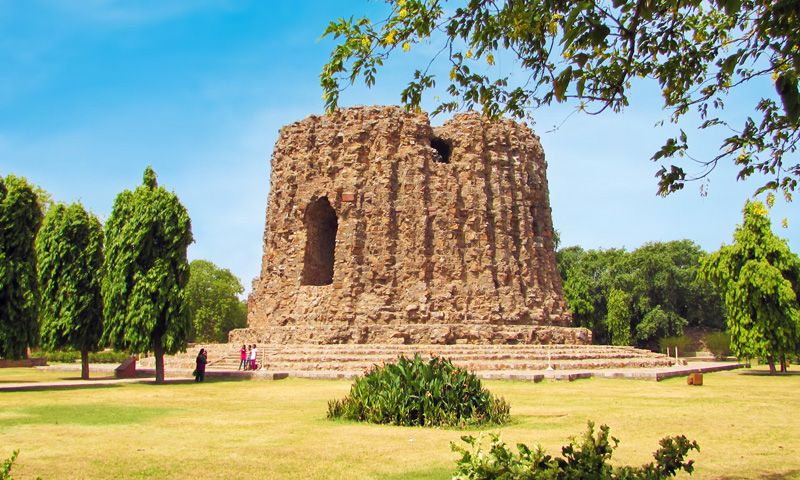
Alai Minar, located in the Mehrauli area of Delhi within the Qutub Minar complex, is a partially completed tower commissioned by Sultan Ala‑ud‑din Khilji in the early 14th century (c. 1311–1316). Planned as a victory tower twice the height of Qutub Minar, construction stopped after the Sultan’s death, leaving only the first storey standing at 24.5 metres. The tower spans the northeastern section of the complex and demonstrates the architectural ambition of the Delhi Sultanate. Its design showcases Indo-Islamic influences, early rubble masonry techniques, and careful scale planning, making it an important site for archaeology, history, and tourism.
Architecture of Alai Minar
The Alai Minar is a unique example of the architectural vision of the Delhi Sultanate, which combined functional structural engineering with symbolic grandeur. Begun during the reign of Sultan Alauddin Khilji (1296–1316) of the Khilji dynasty, the minaret was intended to be equal to or even taller than the nearby Qutub Minar, but construction was halted after Khilji's death. The surviving minaret stands approximately 24.38–24.5 meters tall and is constructed of reinforced stone masonry held together by lime mortar, reflecting the construction techniques of the time. In contrast to the decorative sandstone and marble of the Qutub Minar, the Alai Minar's unfinished surface reveals its engineering structure and weight-bearing capacity. Its large base, with a circumference of approximately 77.7 metres, reflects the Sultan's grandeur and desire for structural stability.
- First storey core of the planned minaret
- Expansive stone and rubble base
- Thick outer walls (>5.8 m)
- Circular interior core planned for staircase
- Proximity to Quwwat‑ul‑Islam Mosque structures
- Integrated into the Qutub Minar complex landscape
Interesting facts about Alai Minar
- Visitors to the Qutub complex can view this unique structure and learn about its historical context.The minaret was intended to be twice the height of Qutub Minar but remains unfinished at its base.The Alai Minar was designed as a masterpiece of Islamic architecture, similar to the Qutub Minar. It was to be built of red sandstone, and its base was built using the existing infrastructure of a Jain temple that was demolished to make way for the new structure.The cylindrical base illustrates early Indo-Islamic experimentation with tall minaret construction techniques.The minaret was to be decorated with intricate carvings and calligraphy, which displayed the artistic skill of the time.The truncated structure symbolizes the abrupt end of Alauddin Khilji’s ambitious architectural projects following his death.
Alai Minar FAQs:
Alai Minar Neighbourhood
Explore nearby places within 5 km of Alai Minar including attractions, cinemas, colleges, hospitals and more.
Explore Other Attractions Nearby
More places to visit in Delhi

| Paid Entry |
| Paid Entry |
| Free Entry |


| Free Entry |
| Free Entry |
| Paid Entry |

| Paid Entry |
| Free Entry |
| Free Entry |

| Free Entry |

| Free Entry |

| Free Entry |

| Free Entry |
| Free Entry |
| Free Entry |
| Free Entry |
| Free Entry |

| Free Entry |

