Find Top Attractions in India
Entry Fee & Ticket
No Entry Fee. Opens at 7:00 am to 6:00 pm. | No Entry Fee
Opening Time & Days
Agrasen Ki Baoli opening and closing timings is 07:00 AM – 06:00 PM.
Open Days
The Baoli complex is open on all days of the week.
Best Time to Visit
April, May, June
Place Visit With
Place Type
Nearest Metro Stations
Agrasen Ki Baoli Nearby Bus Stops
How to Reach Agrasen Ki Baoli
Here's the closest transport hub for each option, with the distance from Agrasen Ki Baoli.
-
14.1 km awayBy air · Nearest AirportFly into IGI New Delhi Airport
-
0 m awayBy rail · Nearest Railway StationTake a train to Shivaji Bridge Railway Station
-
4.4 km awayBy road · Nearest Bus TerminalCatch a bus from Kashmere Gate ISBT
About Agrasen Ki Baoli
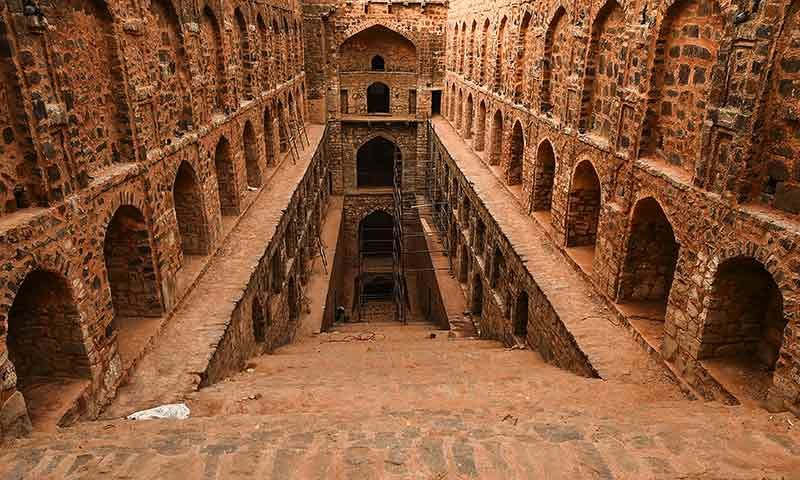
Agrasen ki Baoli is a historic stepwell near Jantar Mantar in New Delhi, traditionally associated with Maharaja Agrasen, and later rebuilt during the Delhi Sultanate in the 14th-15th centuries CE. It served as an essential water reservoir and resting place, and reflects the social and civic life of medieval Delhi. The monument is of cultural and tourism importance due to its urban planning value and architectural depth. Although its total area is not officially documented, the stepwell is approximately 60 meters long. Its stepped corridors, arched niches, and stone masonry reflect Indo-Islamic influences blended with local traditions.
Architecture of Agrasen Ki Baoli
Agrasen Ki Baoli represents Indo-Islamic stepwell architecture characterized by symmetry, depth-oriented design, and functional aesthetics. The present structure is attributed to the Delhi Sultanate, likely constructed or restored during the Tughlaq or early Lodi period between the 14th and 15th centuries CE. Built primarily of local quartzite and lime-bound rubble, the stepwell demonstrates efficient load-bearing techniques and weathering.A straightforward layout with uniform steps provided easy access to water year-round, while arched recesses provided shade and resting areas. The minimal decoration emphasizes functionality, although the repeated arches create visual rhythm and symbolic balance. Archaeological studies reveal ancient water management and its role in urban sustainability.
- Main entrance stairway
- Three-level stepped corridors
- Series of arched niches along both sides
- Rectangular water tank at the base
Interesting facts about Agrasen Ki Baoli
- It spans three visible levels, each with magnificent and identical arched niches all around.Over a hundred steps lead you to the water level, and as you descend, you'll experience the same temperature.At the northern end of this stepwell is a circular well. It's eight meters in diameter and remains dry for most of the year.When it fills with water during the monsoon season, the water level rises by about four or five feet. The well's supports are protected by iron grills to prevent anyone from accidentally or accidentally falling into the water.The structure offers natural cooling through stone piles and shaded corridors.It's also connected to a shaft by a rectangular path. As the stepwell's water level rises, the path also fills with water.
Agrasen Ki Baoli FAQs:
Agrasen Ki Baoli Neighbourhood
Explore nearby places within 5 km of Agrasen Ki Baoli including attractions, cinemas, colleges, hospitals and more.
Explore Other Attractions Nearby
More places to visit in Delhi
| Paid Entry |

| Paid Entry |
| Free Entry |

| Free Entry |
| Free Entry |
| Free Entry |
| Paid Entry |

| Paid Entry |
| Free Entry |

| Free Entry |
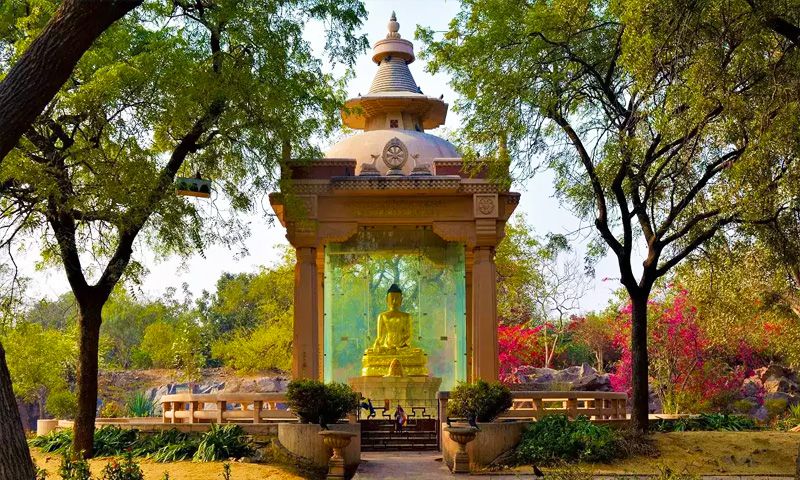
| Free Entry |

| Free Entry |
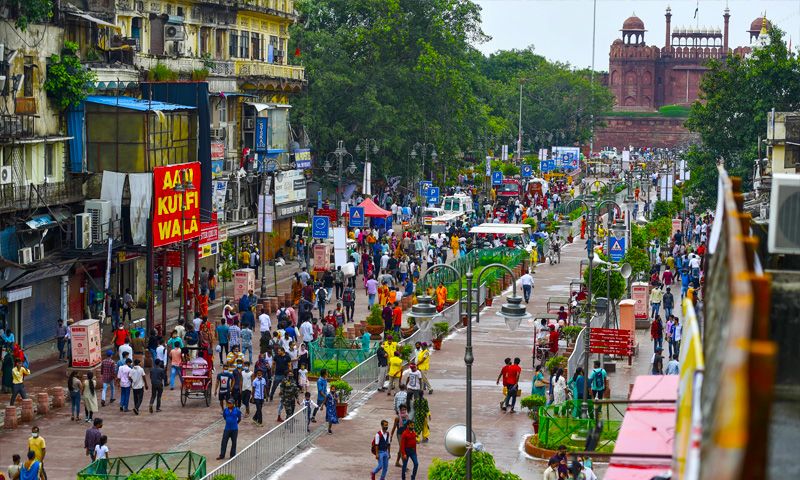
| Free Entry |

| Free Entry |
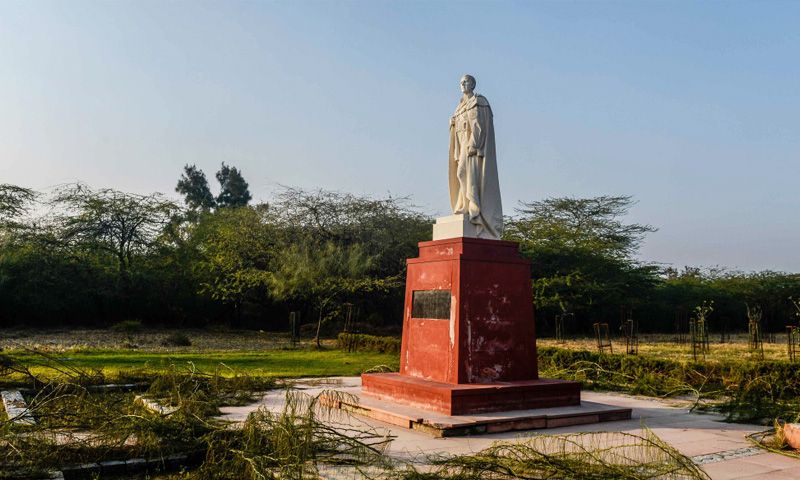
| Free Entry |

| Free Entry |

| Free Entry |

| Free Entry |

| Free Entry |

