Find Top Attractions in India
Entry Fee & Ticket
Zero Mile Marker open from 12:00 am to 12:00 am all days in week, No entry fees. | No Entry Fee
Opening Time & Days
Zero Mile Marker always open for genral visitors
Open Days
The Zero Mile Marker is open every day for visitors
Best Time to Visit
January, February, March, April, May, June
Place Visit With
Place Type
Nearest Metro Stations
How to Reach Zero Mile Marker
Here's the closest transport hub for each option, with the distance from Zero Mile Marker.
-
1.0 km awayBy rail · Nearest Railway StationTake a train to Bardi Railway station
-
1.1 km awayBy road · Nearest Bus TerminalCatch a bus from Mor Bhavan Bus Stop
About Zero Mile Marker
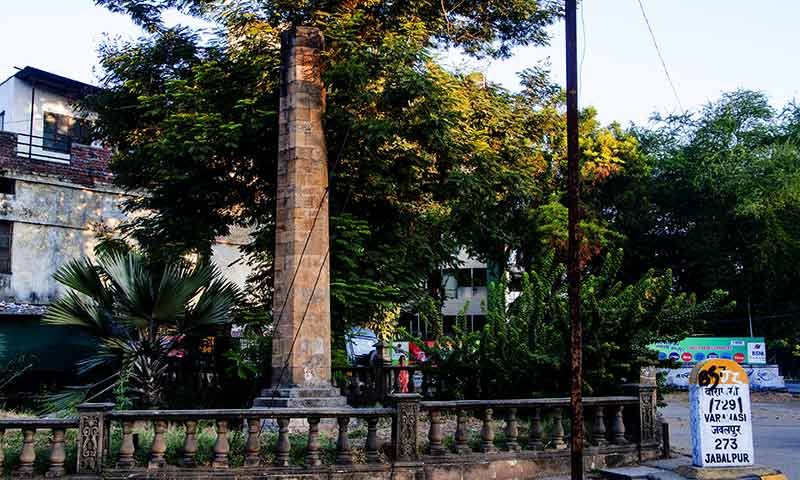
The Zero Mile Marker, located on Wardha Road in Nagpur, is a historical monument erected by the British in 1907 during the Great Trigonometrical Survey of India. It consists of a sandstone pillar, a small benchmark stone, and four later plaster horses, marking the colonial survey's accuracy. Although Nagpur is located at the geographic center of the Indian subcontinent, the marker itself served as a reference point for measuring distances across the country. Surrounded by an open urban area, the site holds enduring tourist significance as a heritage landmark and a reminder of India's cartographic history.
Architecture of Zero Mile Marker
The Zero Mile Marker is an example of British Colonial functional architecture with intricate Classical detailing. Built in 1907 during the British Raj, this structure showcases practical engineering with modest aesthetic appeal. Constructed primarily using polished sandstone and mortar, the pillar rests on a hexagonal plinth, emphasizing stability and symmetry. The design prioritizes visibility and durability, appropriate for its role as a central geodetic reference point. The simplicity of the decoration highlights the technical purpose rather than the decorative aspects, yet the cornice and base moldings display subtle Classical influences.
The monument is part of the broader colonial urban landscape of Nagpur, representing early 20th-century surveying innovations. Key structural components include:
- Main hexagonal pillar
- Engraved distance markers
- Surrounding low boundary fence
- Pedestal with inscriptions
- Nearby paved observation area
Interesting facts about Zero Mile Marker
- The pillar marks the geographical center of India as surveyed by the British in 1907.Constructed with polished sandstone, it showcases early 20th-century colonial engineering techniques.Its hexagonal base symbolizes geometric precision for surveying purposes.The engraved distance markers served as a reference for railways and roadways across India.The Zero Mile Marker is a rare surviving example of British geodetic surveying monuments in India.Archaeological surveys reveal it was originally accompanied by smaller boundary markers forming a radial layout.
Zero Mile Marker FAQs:
Zero Mile Marker Neighbourhood
Explore nearby places within 5 km of Zero Mile Marker including attractions, cinemas, colleges, hospitals and more.
Explore Other Attractions Nearby
More places to visit in Nagpur
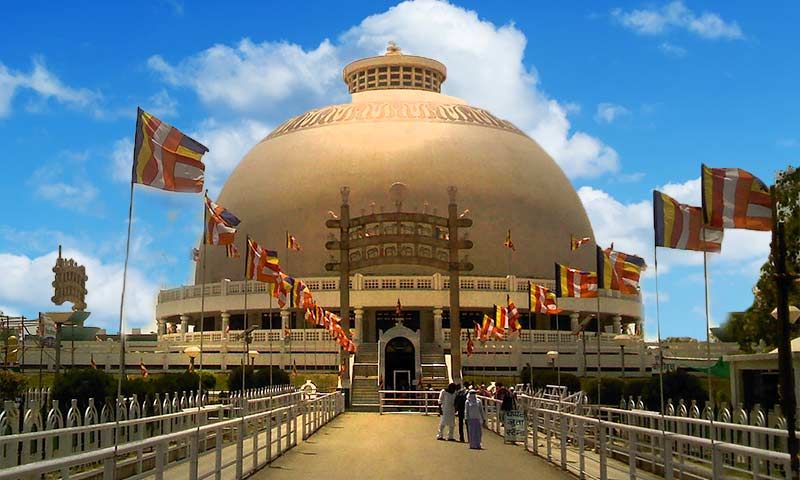
| Free Entry |
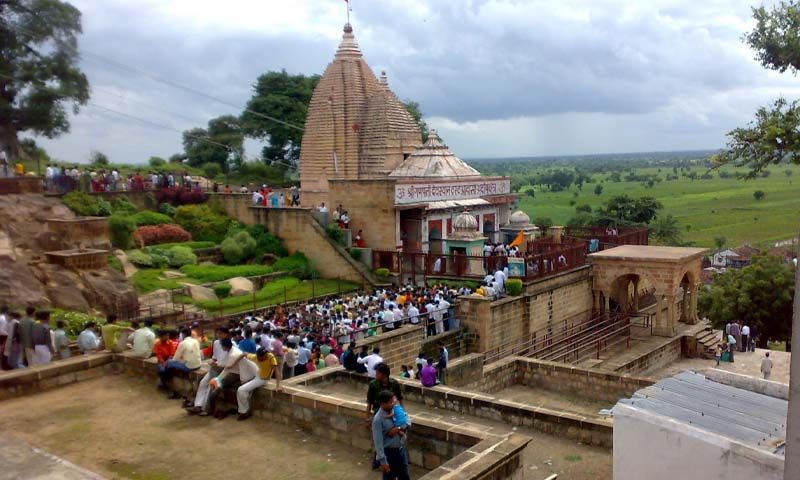

| Free Entry |

| Paid Entry |

| Free Entry |

| Free Entry |


| Free Entry |

| Free Entry |
| Free Entry |

| Free Entry |


| Paid Entry |

| Free Entry |

| Paid Entry |

| Paid Entry |