Find Top Attractions in India
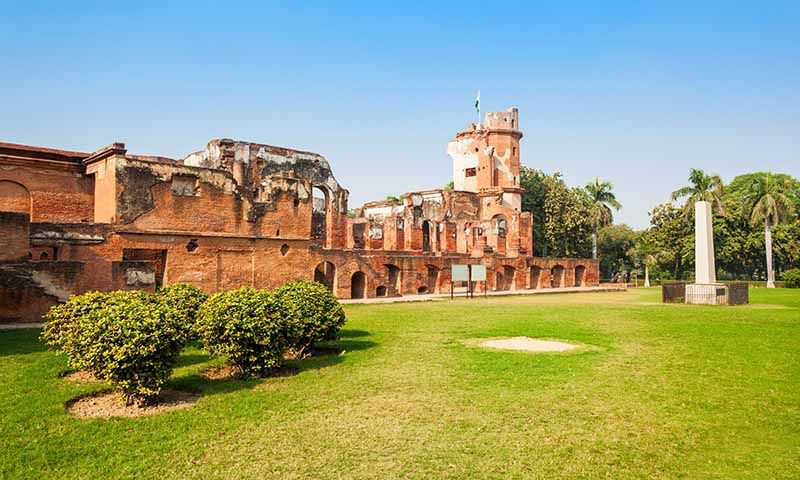
British Residency, Lucknow
Entry Fee & Ticket
Lucknow Residency open from 10:00 am to 05:00 pm all days in week, Entry fee for Indian Rs 5 and for foreigner Rs 100. | Indians (per person) - ₹20/-, Foreigners (per person) - ₹250/- also BIMSTEC, SAARC Countries ₹20/- (per person)
Opening Time & Days
British Residency opening and closing timing is 07:00 AM – 06:00 PM
Open Days
The British Residency is open every day for visitors
Best Time to Visit
January, February, March, April
Place Visit With
Place Type
Official Info
Website 🔗Nearest Metro Stations
How to Reach British Residency
Here's the closest transport hub for each option, with the distance from British Residency.
-
10.8 km awayBy air · Nearest Airport
-
3.3 km awayBy rail · Nearest Railway StationTake a train to Lucknow Junction Railway Station
-
4.6 km awayBy road · Nearest Bus TerminalCatch a bus from Alambagh Bus Stand ISBT
About British Residency
The British Residency in Lucknow, located at Mahatma Gandhi Marg near Qaisar Bagh, is a significant historical complex dating back to the late 18th century during the rule of Nawab Asaf-ud-Daula. Initially serving as the residence of British officials, it became a prominent symbol during the 1857 Revolt, enduring heavy siege and damage. Spanning approximately 17 acres, the Residency reflects Indo-European architectural influences, combining Mughal decoration with colonial construction techniques. Its defining elements include imposing gateways, arched corridors, spacious courtyards, and fortified walls, which showcase both defensive design and aesthetic sensibilities. Today, it remains a cultural and tourist landmark, offering insights into Lucknow’s colonial and Nawabi past.
Architecture of British Residency
The British Residency exhibits a blend of Mughal and British colonial architectural styles. Constructed primarily under the Nawabs of Awadh during the late 1700s, it was later occupied and modified by British authorities until the mid-19th century. The complex is notable for its strategic layout, fortified walls, and symmetrical design, reflecting both military and residential purposes. Key structures within the Residency include:
- Main Residency building with arched verandas and high ceilings
- Imposing gates and bastions for defense
- Multiple courtyards for administrative and ceremonial use
- Adjacent gardens influenced by Mughal landscaping principles
- Several ruined watchtowers and guard posts from the 1857 siege
- Internal residential blocks for officers and staff
The use of brick, lime plaster, and stone showcases the engineering techniques of the period, while its semi-fortified layout allowed for both security and residential comfort. Ornamental features, such as arches, jharokhas, and decorative motifs, illustrate a fusion of Awadhi and British design sensibilities.
Interesting facts about British Residency
- The Residency complex covers approximately 17 acres, including ruins, gardens, and residential quarters.During the 1857 Revolt, it endured a siege of nearly six months, leaving cannon marks and damaged walls visible today.Construction combines traditional Mughal brickwork with British colonial fortification techniques.Its internal layout was strategically planned for both administrative efficiency and defensive strength.The arched corridors and courtyards were designed to maximize ventilation and natural light, reflecting advanced engineering for the era.Archaeological studies have revealed artifacts such as coins, weaponry, and personal belongings of British officers, offering insights into daily life during colonial rule.
British Residency FAQs:
British Residency Neighbourhood
Explore nearby places within 5 km of British Residency including attractions, cinemas, colleges, hospitals and more.
Explore Other Attractions Nearby
More places to visit in Lucknow
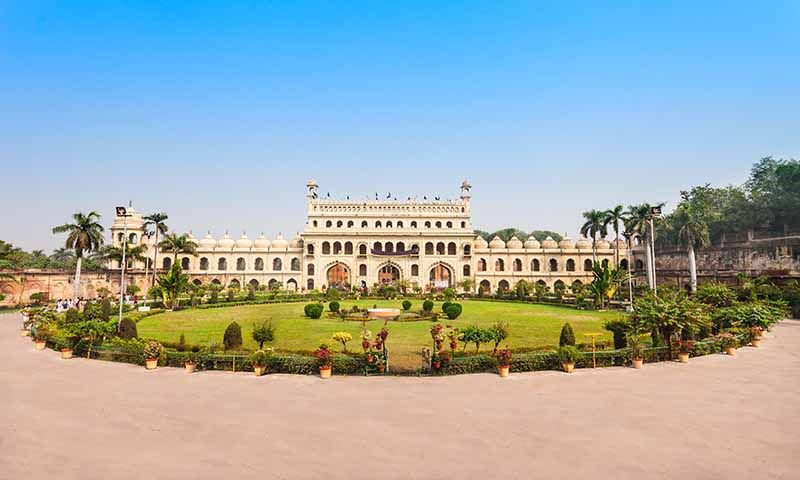
| Free Entry |
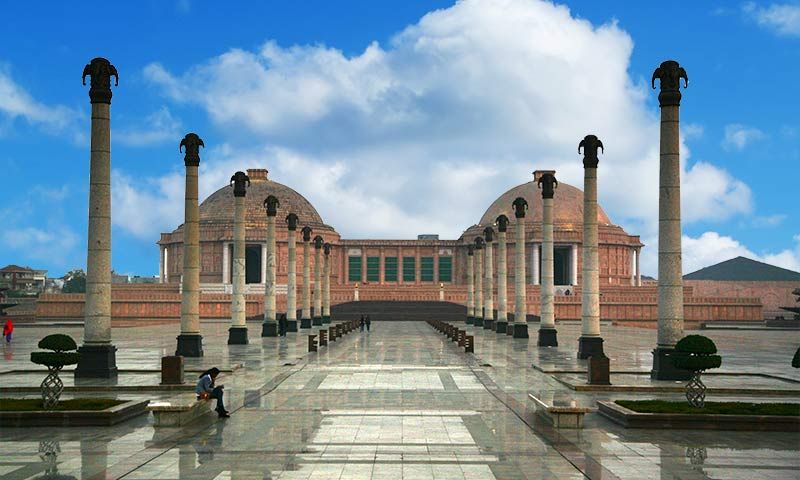
| Paid Entry |
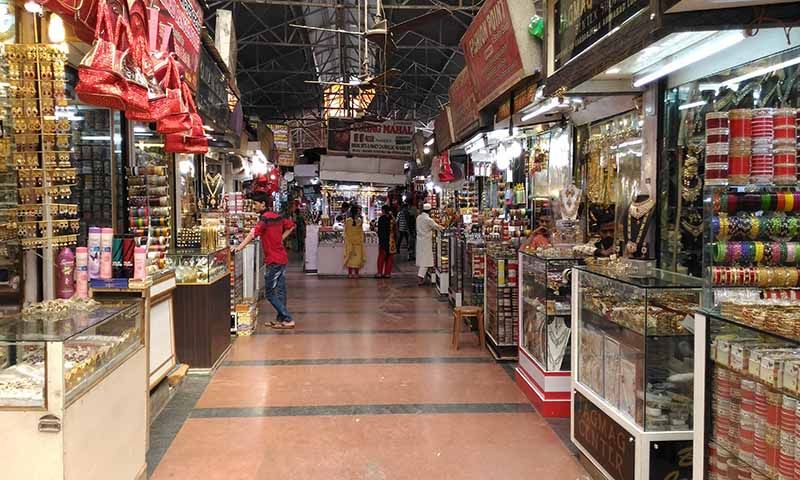
| Free Entry |


| Paid Entry |
| Free Entry |
| Free Entry |
| Free Entry |
| Free Entry |
| Free Entry |
| Free Entry |
| Free Entry |
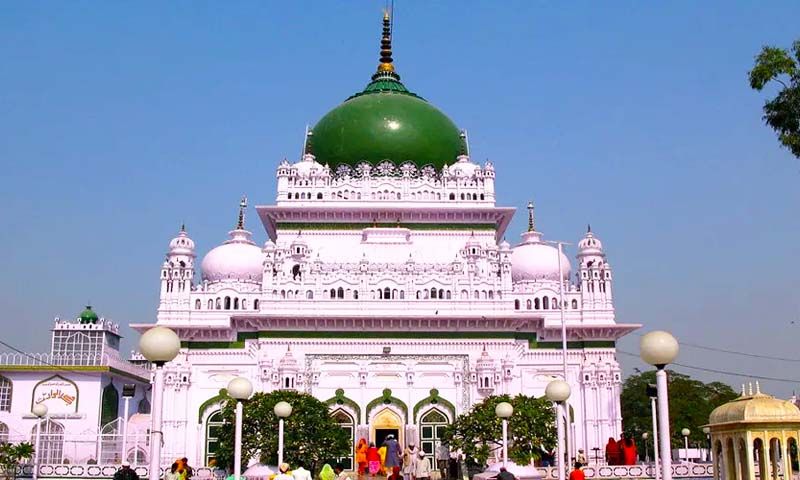
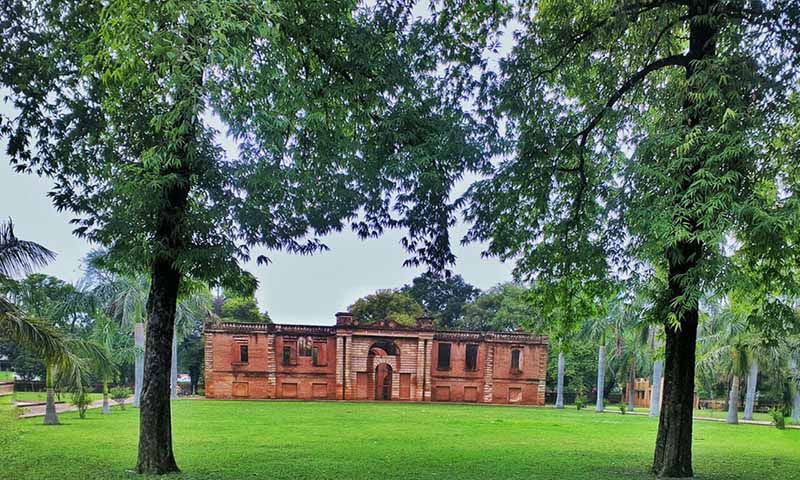
| Free Entry |

| Free Entry |
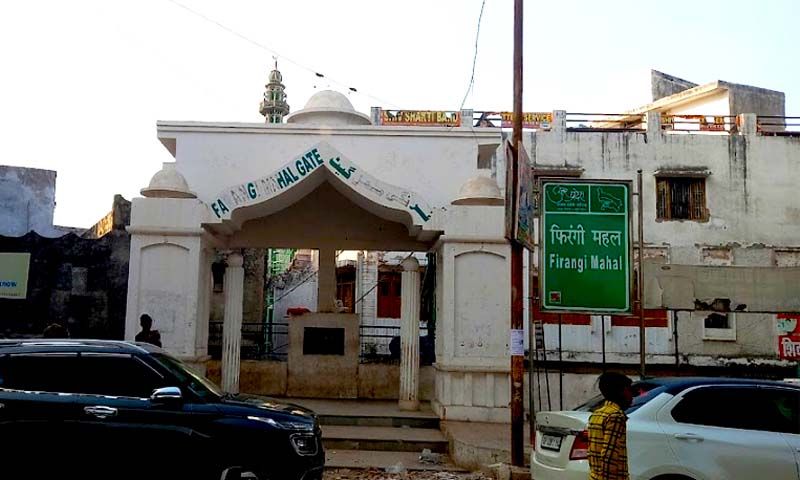
| Free Entry |

| Free Entry |
| Paid Entry |

