Find Top Attractions in India
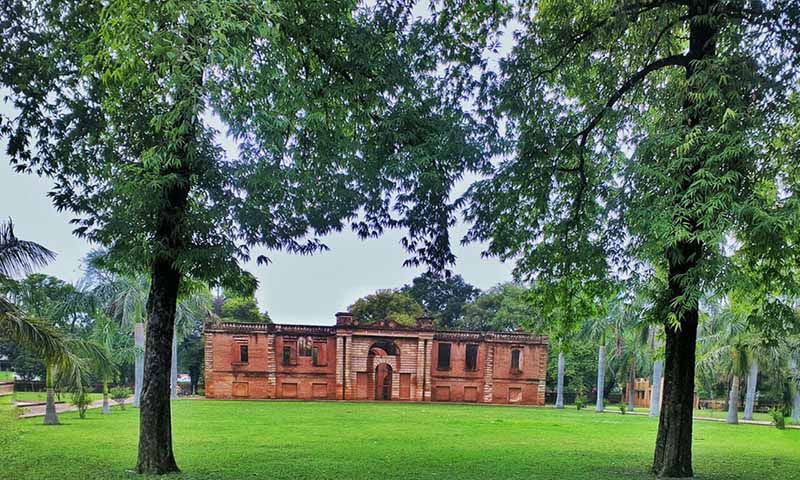
Dilkusha Kothi, Lucknow
Entry Fee & Ticket
Dilkusha Kothi open from 08:00 am to 06:00 pm all days in week, Entry fee for Indian Rs 5 and for foreigner Rs 100. | No Entry Fee
Opening Time & Days
Dilkusha Kothi opening and closing timing is 07:00 AM – 06:00 PM
Open Days
The Dilkusha Kothi is open every day for visitors
Best Time to Visit
September, October, November, December
Place Visit With
Place Type
Official Info
Website 🔗Nearest Metro Stations
How to Reach Dilkusha Kothi
Here's the closest transport hub for each option, with the distance from Dilkusha Kothi.
-
10.4 km awayBy air · Nearest Airport
-
4.0 km awayBy rail · Nearest Railway StationTake a train to Lucknow Junction Railway Station
-
5.1 km awayBy road · Nearest Bus TerminalCatch a bus from Alambagh Bus Stand ISBT
About Dilkusha Kothi
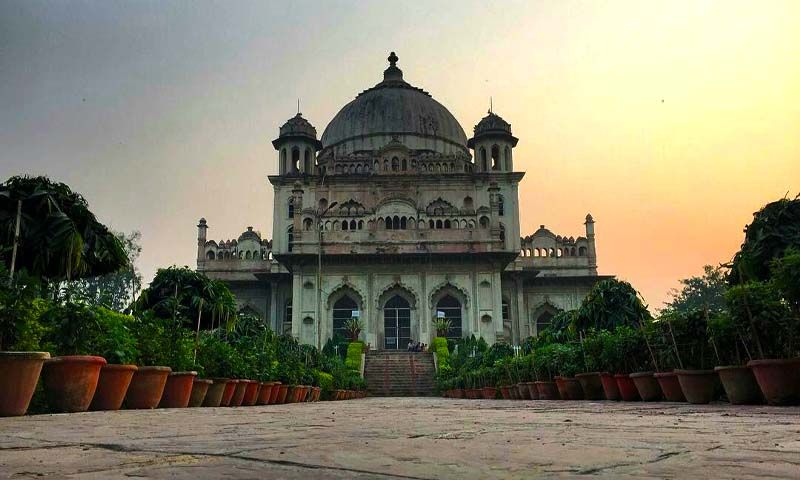
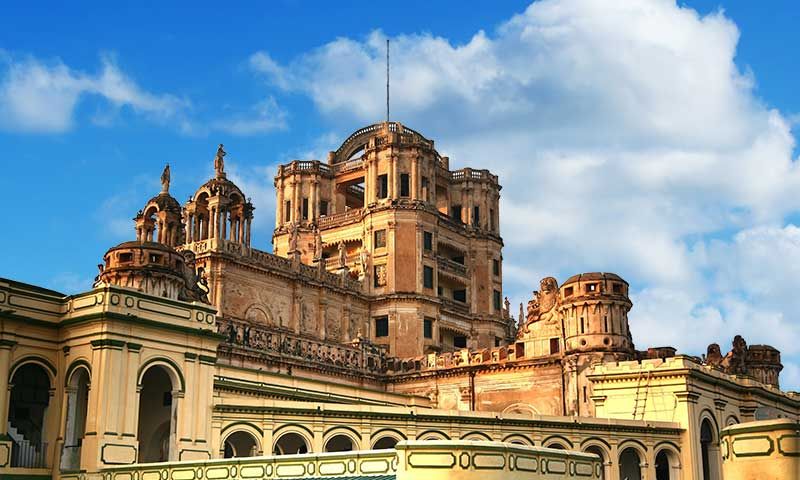
Dilkusha Kothi, located on Bibiapur Road in the Nile Lines Cantonment area of Lucknow, is a magnificent example of 18th-century Indo-European architecture. Built in the late 1700s during the reign of Nawab Saadat Ali Khan I, it originally served as a country retreat for the Nawabs of Awadh. This monument holds immense cultural and historical significance, showcasing the fusion of Mughal and European styles prevalent in Awadh's elite residences. Spread over approximately 8 acres, Dilkusha Kothi was designed as a hunting lodge, with large lawns and beautiful gardens. Its distinctive features include a symmetrical layout, arched facades, and a mix of classical columns with Mughal decorative motifs, reflecting both the comfort and power of the Nawabs. Its ruins still attract historians, architects, and tourists, offering insights into Lucknow's colonial-era architecture and the lifestyle of the Nawabi elite.
Architecture of Dilkusha Kothi
Dilkusha Kothi showcases a unique Indo-European architectural style, blending Mughal design elements with British-inspired structural features. Built during the reign of Nawab Saadat Ali Khan I in the late 18th century, the Kothi served as a key landmark during the British East India Company's early interactions with the region. Its architecture reflects Awadhi elegance, symmetry, and practical design for a retreat. The layout and structures include:
Traditional bricks with lime plaster were used in construction, while the facade and pillared verandas reflect European influences. Despite some ruins, the surviving architecture demonstrates innovative planning, combining aesthetics with function in a comfortable living space.
Interesting facts about Dilkusha Kothi
- The palace walls were built with baked bricks and lime mortar, allowing durability against monsoon damage.The Kothi’s layout follows a geometric symmetry inspired by European country houses, integrated with Mughal garden principles.Many windows feature arched frames and decorative plaster motifs, blending Indo-European styles.During the 1857 uprising, the building suffered extensive artillery damage, leaving only the core structure.The garden originally included fountains and water channels, symbolizing Nawabi leisure culture.Excavations in the surrounding area have revealed remnants of auxiliary structures, hinting at a larger palace complex that once existed.
Dilkusha Kothi FAQs:
Dilkusha Kothi Neighbourhood
Explore nearby places within 5 km of Dilkusha Kothi including attractions, cinemas, colleges, hospitals and more.
Explore Other Attractions Nearby
More places to visit in Lucknow
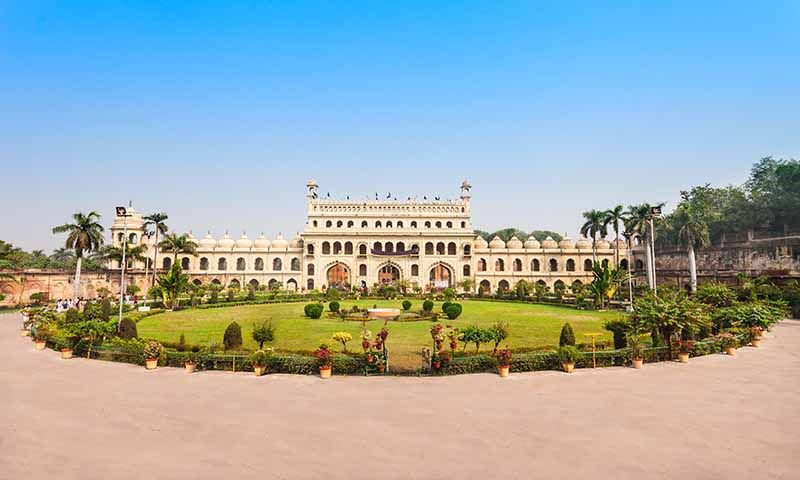
| Free Entry |
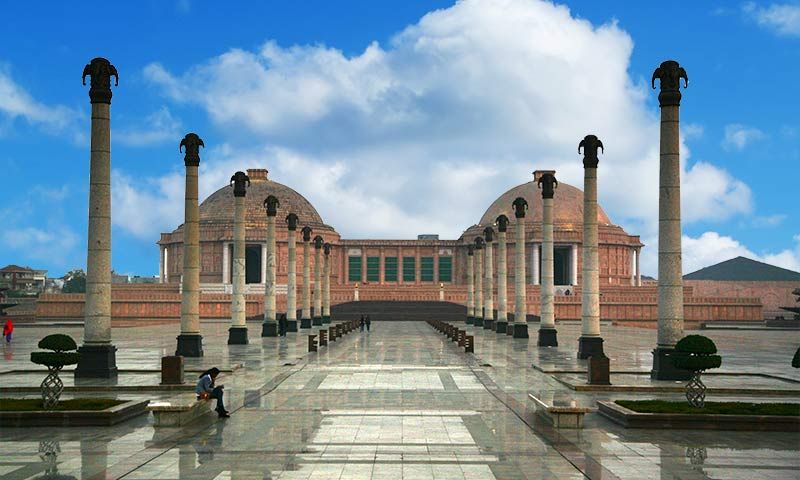
| Paid Entry |
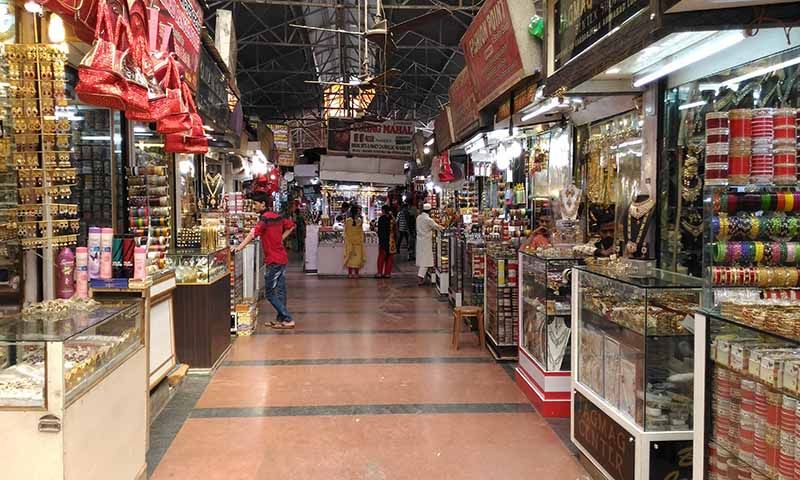
| Free Entry |


| Paid Entry |
| Free Entry |
| Paid Entry |
| Free Entry |
| Free Entry |
| Free Entry |
| Free Entry |
| Free Entry |
| Free Entry |
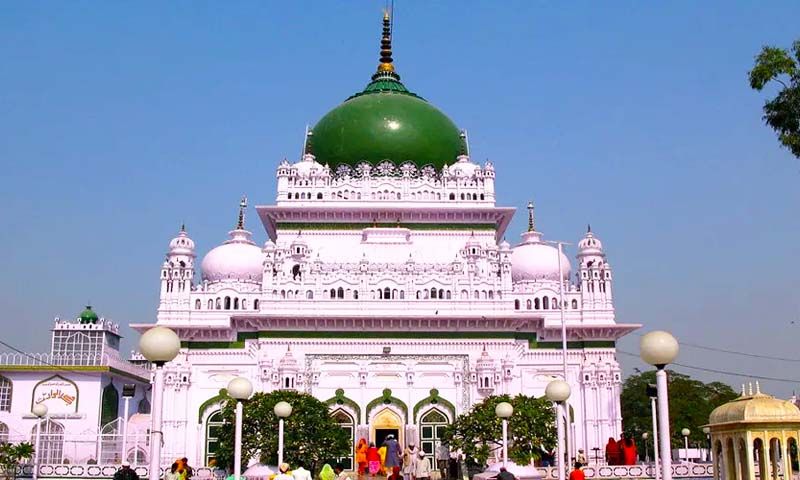

| Free Entry |
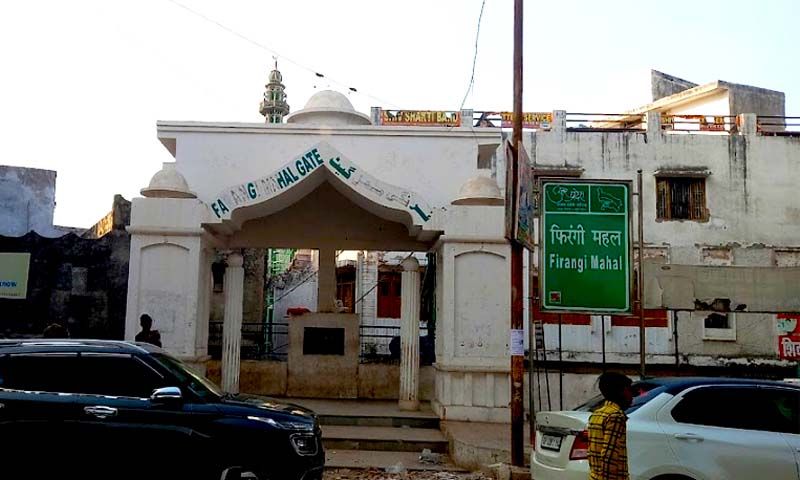
| Free Entry |


| Free Entry |
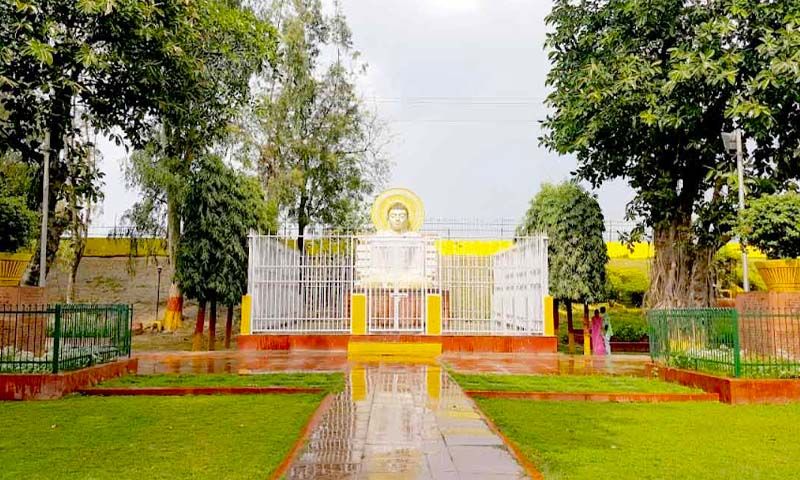
| Paid Entry |

