Select Stations to Find Your Route

Delhi Metro Network
Total Stations
245 Active / 72 Inactive
Total Metro Lines
12 Active / 2 Inactive
Train Coaches
4/6/8 Coaches
Operation Started
24 December 2002
Delhi Metro Overview
The Delhi Metro is a fast transport system serving the cities of Delhi and NCR in India which includes the cities of Ghaziabad, Faridabad, Gurgaon, Noida, Bahadurgarh and Ballabhgarh. In present, there are 232 active stations in Delhi Metro network. YoMetro helps you with information such as Delhi Metro route, service updates, timings, first/last train schedule, metro route map, fare charts, ticket details, interchange, top attractions near metro stations, and metro news.
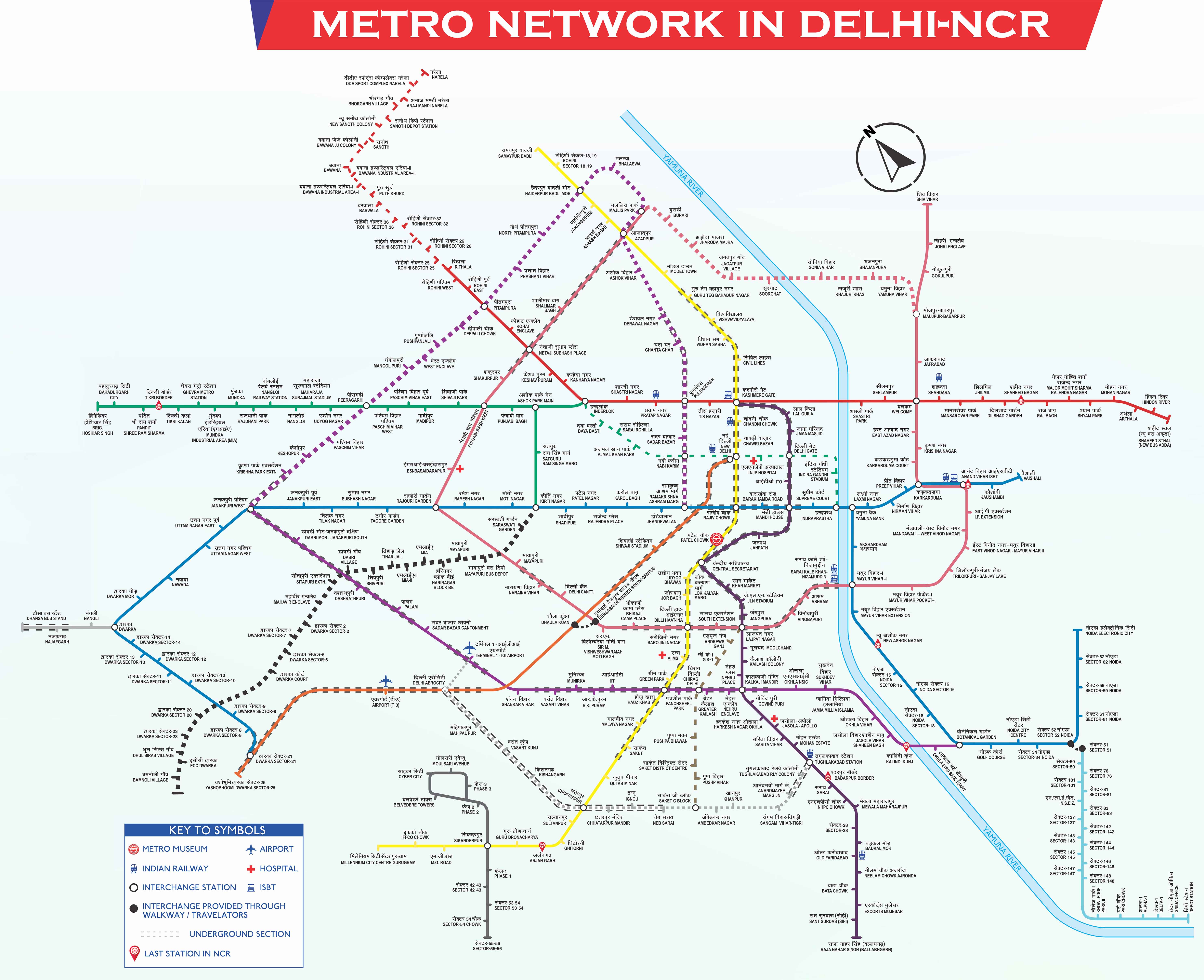
Delhi Metro Map 2026
View the complete Delhi Metro Map 2026 showing all lines, stations, interchanges, and route connectivity to help you plan a smooth and efficient metro journey in Delhi.
Delhi Metro Fare Chart & Discounts
Check the latest Delhi Metro Fare Chart showing Normal Fare, discounted Smart Card Fare, and Special Day Fare (if avilable) based on distance or station-wise slabs to easily estimate metro travel expenses in Delhi.
Distance-based Fare Rules
| Distance (Km) | Normal Fare | Smart Card Fare | Special Day Fare |
|---|---|---|---|
| 0 - 2 | ₹11.00 | ₹9.90 | ₹11.00 |
| 2 - 5 | ₹21.00 | ₹18.90 | ₹11.00 |
| 5 - 12 | ₹32.00 | ₹28.80 | ₹21.00 |
| 12 - 21 | ₹43.00 | ₹38.70 | ₹32.00 |
| 21 - 32 | ₹54.00 | ₹48.60 | ₹43.00 |
| 32 - Above | ₹64.00 | ₹57.60 | ₹54.00 |
Card / Ticket Discounts
| Product Name | Price | Discount | User Type | Get From |
|---|---|---|---|---|
| App based QR Ticket | ₹0.00 | 20.00% | All | Install any of the following Apps: Delhi Metro Sarthi, WhatsApp, PayTM, One Delhi, Amazon, PhonePe and IRCTC (For Indian Railway bound passenger only) |
| Smart Card | ₹150.00 | 10.00% | All | Smart Card vending machine & Customer Care Centre |
| Smart Card | ₹150.00 | 10.00% | All | Smart Card vending machine & Customer Care Centre |
| National Common Mobility Card | ₹0.00 | 10.00% | All | RBI certified banks |
| National Common Mobility Card | ₹0.00 | 20.00% | All | RBI certified banks |
Delhi Metro Lines & Terminal Stations 2026
Check the Delhi Metro Lines with Terminal Stations to better understand metro line routes, interchanges, and connectivity details of the metro network in Delhi.
Line Status: Active Under Construction Approved In Plan
Delhi Metro History, Facts and Expansion Plan
Get insights into Delhi Metro history, notable facts, and expansion plans, explaining its evolution, infrastructure growth, and future connectivity improvements in Delhi Metro.
- The concept of mass rapid transit for New Delhi first emerged from a traffic and travel characteristics study conducted in the city in 1969.
- In 1984, the Urban Arts Commission proposed the development of a multi-modal transport system, which included the construction of three underground mass rapid transit corridors.
- The Government of Delhi, in collaboration with the central government, established the Delhi Metro Rail Corporation (DMRC) on 3 May 1995. Physical construction work on the Delhi Metro began on 1 October 1998.
- To ensure technical expertise, the DMRC hired the Hong Kong MTR Corporation (MTRC) as a consultant for rapid transit operations and construction techniques.
- The construction of the Delhi Metro proceeded smoothly, except for one major disagreement in 2000.
- The first line of the Delhi Metro, the Red Line, was inaugurated on 24 December 2002 by Atal Bihari Vajpayee, the then Prime Minister of India. Metro stations began opening progressively from 25 December 2002 to 11 November 2006 as part of Phase I, covering the Red, Yellow, and Blue Lines.
- In Phase II, Delhi Metro stations progressively became operational between 4 June 2008 and 27 August 2011, connecting Delhi with neighbouring regions of Haryana and Uttar Pradesh.
- Phase III construction commenced in 2011, with a planned deadline of 2016. However, work on the original corridors was completed in March 2019, and the phase was fully completed on 18 September 2021 with the opening of the Grey Line.
- The construction of Phase IV began in March 2019 with three priority corridors. Upon the completion of Phase IV, the total length of the Delhi Metro network is expected to exceed 450 km.
- The completion of Phase IV may place the Delhi Metro among the seven longest metro systems by route length in the world.
- The Delhi Metro was envisioned to be constructed in phases spread over 20 years, with each phase targeted for completion within five years, ensuring that the end of one phase marked the beginning of the next.
- The Delhi Metro, managed and owned by the Delhi Metro Rail Corporation (DMRC), is a joint venture between the Government of NCT of Delhi and the Government of India.
- The Delhi Meto is the 2nd oldest metros service in India after Kolkata Metro.
- Each line of the Delhi Metro is identified by a specific colour.
- Delhi Metro began operations in 2002, with its very first stretch running from Welcome Station to Tis Hazari Station on the Red Line.
- Today, the Delhi Metro stands as India’s busiest and largest metro system, boasting the most number of stations.
- All Stations of the Delhi Metro have support for visually impaired and are wheelchair friendly.
- The Delhi Metro not only serves just Delhi but also neighbouring NCR cities like Gurgaon, Noida, Faridabad, Ghaziabad, and Bahadurgarh, making it a lifeline for millions of commuters in the National Capital Region.
- At present, the Delhi Metro operates 10 active lines, covering over 300 kilometers of tracks.
- The Delhi Metro Network includes various platforms—underground, elevated, and ground level—to suit the city’s diverse terrain.
- Its lines are designed in a mix of radial, circular, and semi-circular patterns for seamless connectivity.
- Trains on the Delhi Metro run at speeds of up to 80 km/h and typically stop at each station for around 20 seconds.
- Depending on the line and time of day, trains can have 4, 6, or 8 coaches, operating at a frequency of 1 to 4 minutes during peak hours and 5 to 10 minutes during non-peak hours.
- Hauz Khas Station on the Pink Line, which, at 29 meters below ground, is the deepest station.
- The Dhaula Kuan Metro Station, where the Pink and Orange Lines intersect, marks the highest point at 23.6 meters above the ground.
- A special mention goes to Elattuvalapil Sreedharan, the first Managing Director of the Delhi Metro and a retired IRSE officer.
- Known as the Metro Man, he was awarded the Padma Shri by the Government of India in 2001, the Padma Vibhushan in 2008, the Chevalier de la Legion of Honour in 2005 by the Government of France.
Phase IV of Delhi Metro corridor approved by Indian government in March 2019 with the length of 103 km, but the Construction of 65 km began on 30 December 2019, with an expected completion date of 2025. In Phase IV, over 40 km of the metro corridor will be built underground, and around 27 new underground stations are planned along the route.
In the fourth phase, underground corridors will be built through several areas of New Delhi, including Nabi Karim, Sadar Bazar, Ajmal Khan Park in Old Delhi, Mehrauli Badarpur Road in South Delhi.
Phase V of Delhi Metro is a planned corridor of DMRC, this phase has not begun currently as per officials.
Delhi Metro FAQs
Find answers to common Delhi Metro FAQs covering prohibited items, luggage rules, food and drink policies, photography, ladies coaches, children’s fares, and more.
- Sharp Objects: Knives, swords, meat cleavers, etc.
- Explosive Materials: Gunpowder, fireworks, hand grenades, plastic explosives, etc.
- Inflammable Items: Paints, petroleum, aerosols, wet batteries, etc.
- Offensive Items: Blood, carcasses of dead animals, unsealed raw meat/fish, plants/saplings, skeletons, bones, rags, etc.
- Pets: Birds and other animals.
Airport Express Line: Two bags containing personal belongings are allowed, with dimensions not exceeding 90 cm x 75 cm x 45 cm and a maximum weight of 32 kg. Baggage in the form of bundles is not permitted.
- Alcohol: Two sealed bottles of alcohol are allowed per passenger.
- Cigarettes/Tobacco: One packet of cigarettes and one lighter or matchbox per passenger is permitted.
While carrying alcohol, tobacco, and cigarettes is allowed, consumption of these items inside the Delhi Metro is strictly prohibited.
- Children up to a height of 3 feet (90 cm) can travel for free when accompanied by an adult. The child must be carried in arms (above gate flap level) to prevent injury at the Automatic Fare Collection (AFC) gates.
- Children above 3 feet (90 cm) will be charged the full fare.
Delhi Metro ensures a robust security system, including CCTV surveillance, security personnel, and baggage scanners at entry points.
Delhi Metro News & Updates
Stay updated with the latest Delhi Metro Metro news—new lines, station openings, service changes, fare updates, and key commuter announcements.
Delhi Metro Rail Corporation (DMRC) Managing Director Vikas Kumar said that several countries, including Israel, Egypt and Kenya, have approached DMRC for cooperation in metro projects. The corporation now plans to expand its international presence through a dedicated overseas branch to generate additional revenue to modernize the capital's aging infrastructure.
The Delhi Metro Rail Corporation (DMRC) announced on Thursday that metro services on select corridors will resume at 6 a.m. on Sunday to facilitate candidates appearing for the Civil Services (Preliminary) Examination conducted by the Union Public Service Commission (UPSC). According to the DMRC, train services from the terminal stations of Line 7 (Pink Line), Line 8 (Magenta Line), and Line 9 (Grey Line) will begin one hour earlier than the normal Sunday timings on May 24. However, in view of the UPSC preliminary examination, services will begin at 6 a.m. and will run every 15 minutes until 7 a.m. After that, services will resume as per the normal Sunday schedule, the DMRC said. The corporation stated that this arrangement has been made to ensure smooth travel for candidates so that they can reach their examination centers on time without any inconvenience. It further stated that services on all other metro lines will continue as per the regular Sunday schedule from 6 a.m.
The Namo Bharat extension will connect Rajasthan with Delhi. This semi-high-speed rail line will connect Alwar to New Delhi through a modern regional transportation system. The project has been moved forward after Rajasthan and Haryana agreed on the corridor plan. Once completed, Namo Bharat trains will run between Delhi and Alwar, making travel in the NCR region faster and easier. The corridor will begin at Sarai Kale Khan in Delhi and pass through Munirka, Aerocity, Gurugram, Bawal, SNB, Khairthal, and Alwar. Another section from SNB will extend to Sotanalat via Neemrana and Behror. This corridor will facilitate traffic between Delhi and major industrial cities of Rajasthan and Haryana.
Govt plans water metro systems in 18 cities under draft national policy Govt plans water metro systems in 18 cities under draft national policy The draft policy proposes using electric and hybrid ferries and seeks to standardise vessel design, terminals, charging infrastructure and safety systems across projects.
Delhi Chief Minister Rekha Gupta launched the 'Metro Monday' initiative on Monday. At the launch, Gupta travelled by metro from Kashmere Gate to ITO station and then boarded an electric feeder bus to the Delhi Secretariat. Cabinet ministers Parvesh Verma and Ravindra Indraraj also accompanied her on the journey. The initiative, launched under the 'Mera Bharat, Mera Yojnad' campaign, aims to promote the use of public transport and encourage fuel savings. On the first day of the campaign, several ministers and senior officials of the Delhi government used the metro and other public transport services to reach their offices.
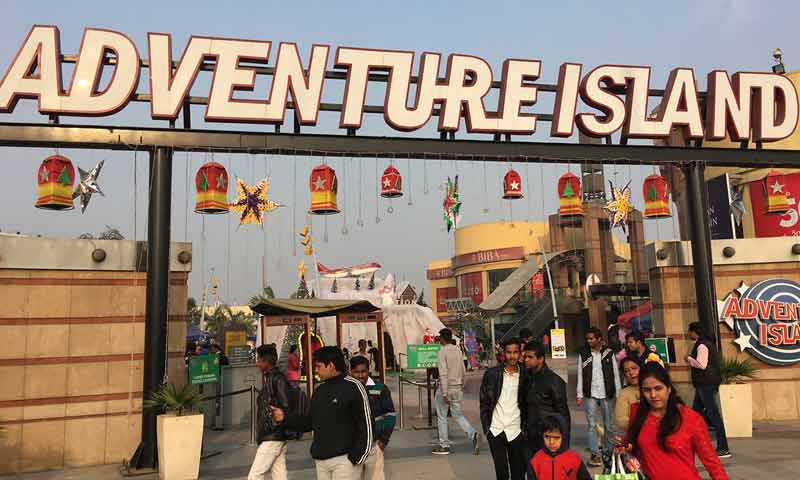
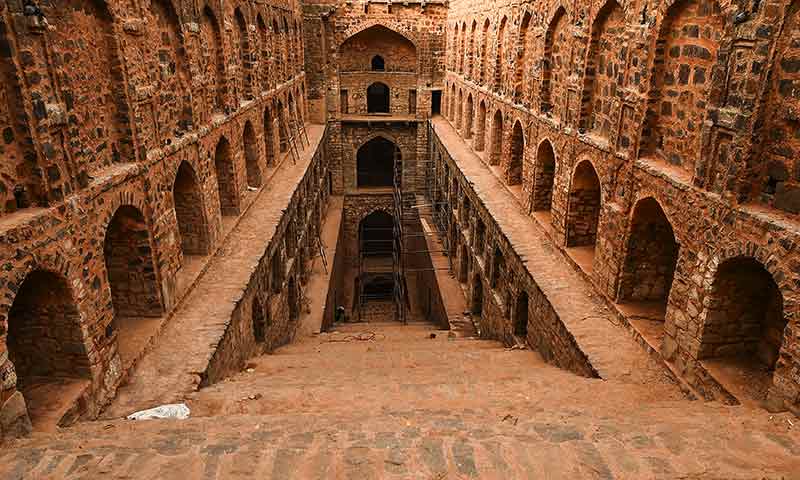
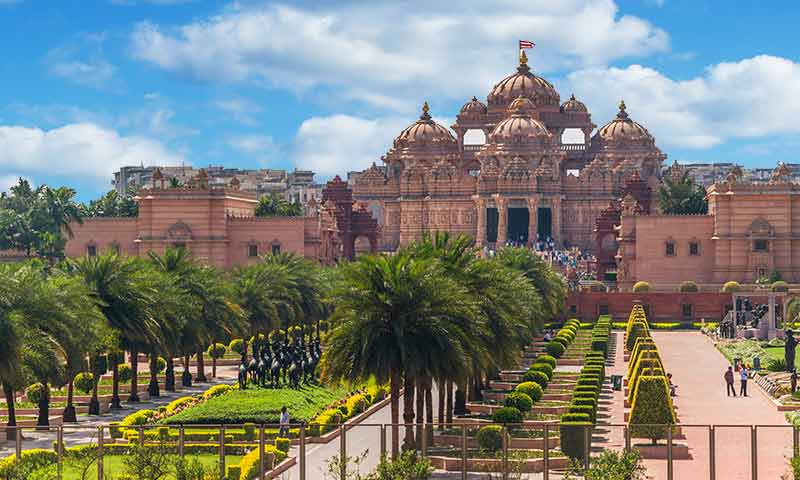
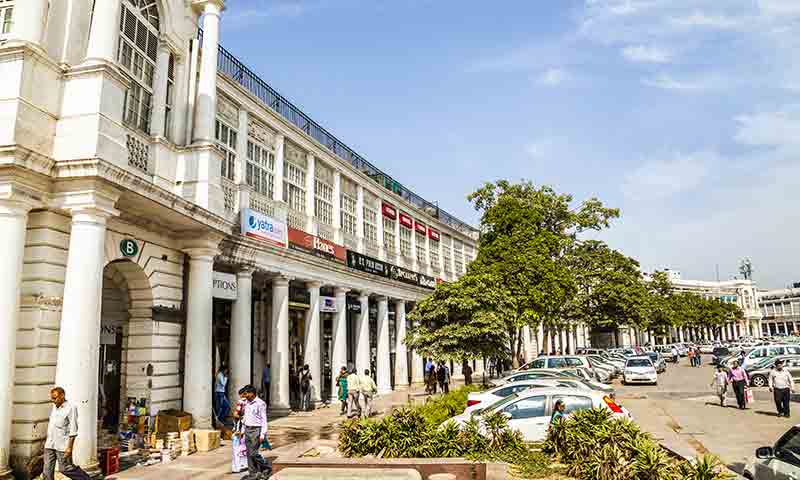
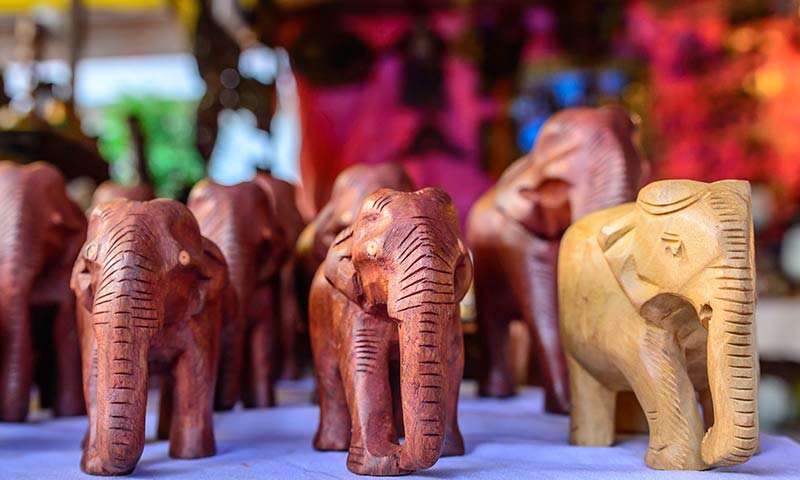
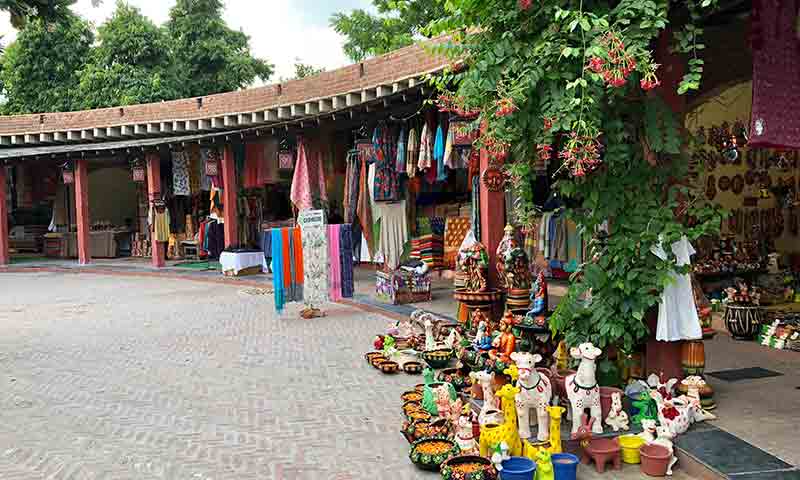
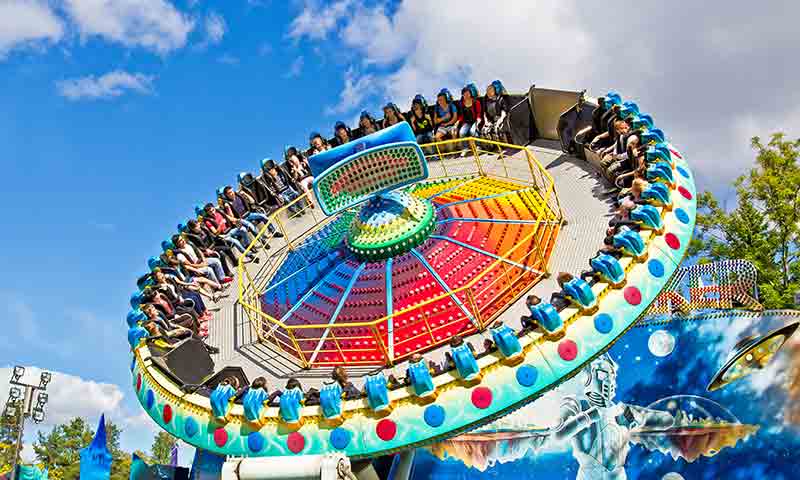
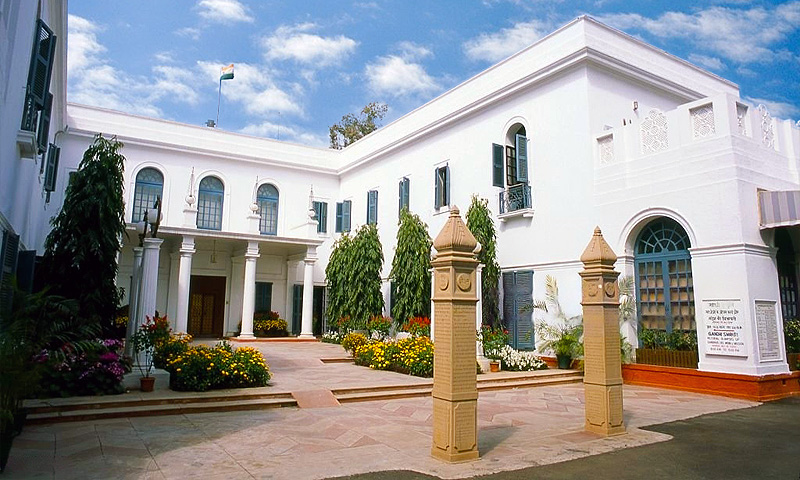
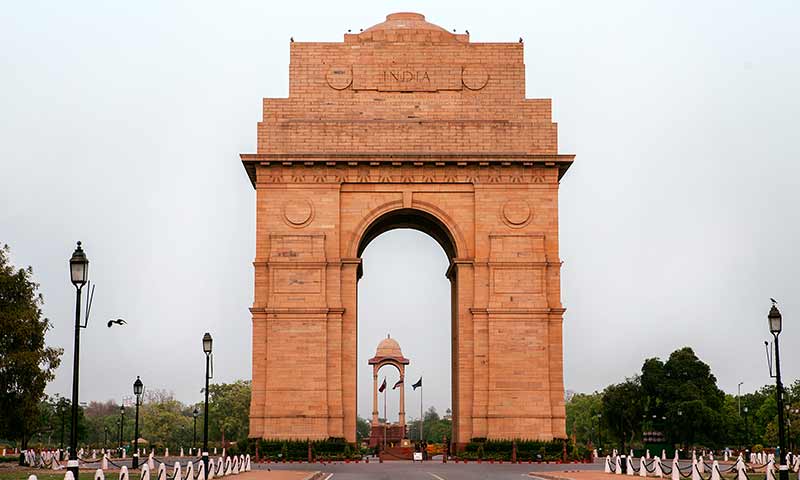
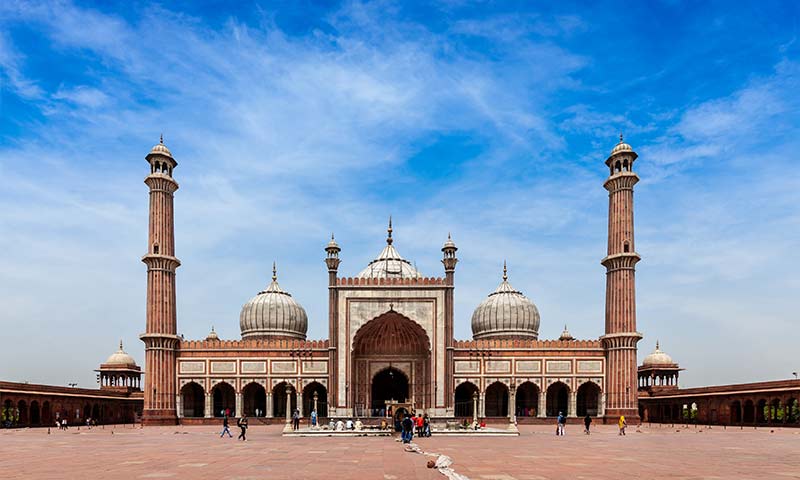
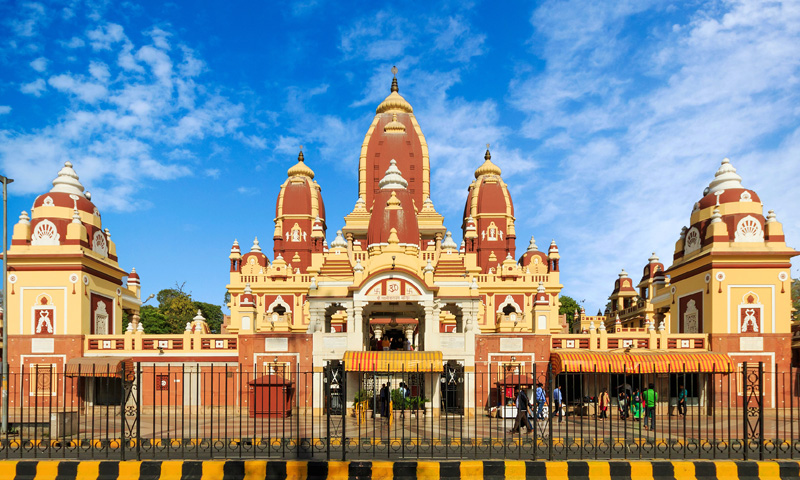
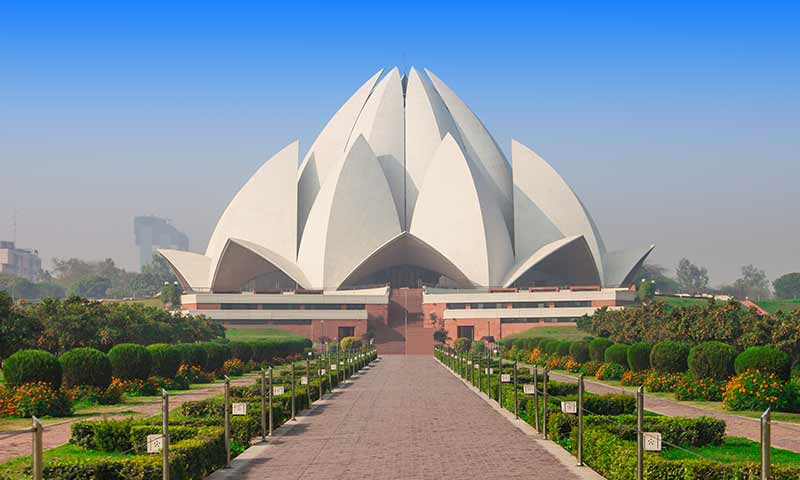
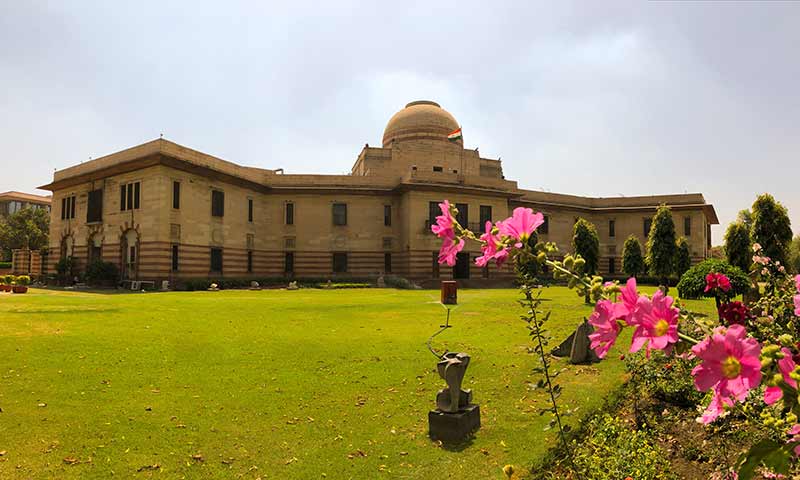
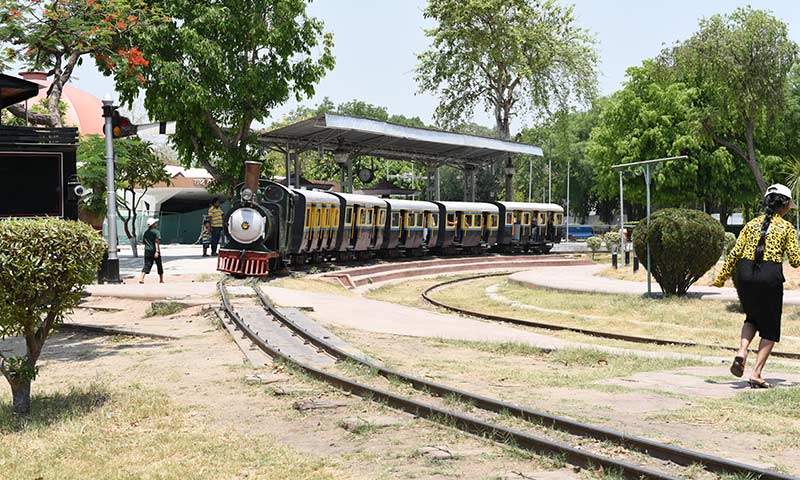
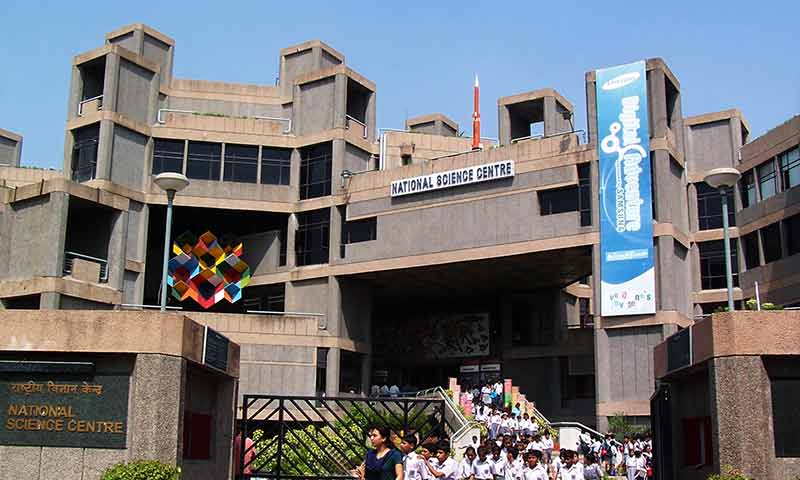
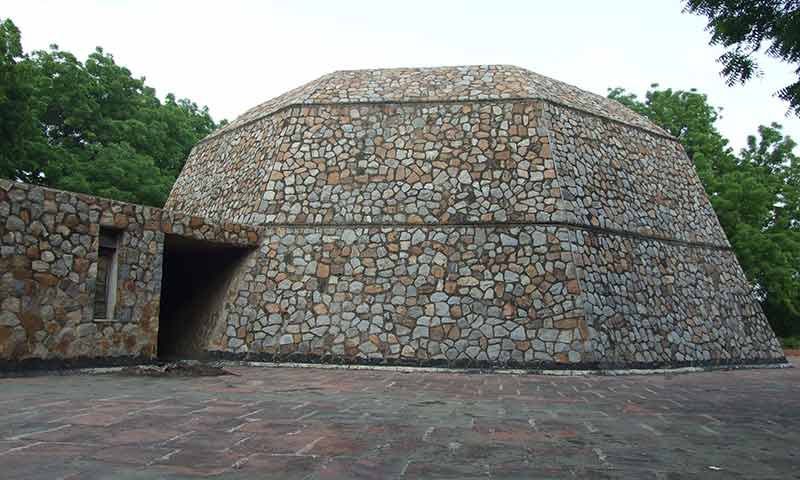
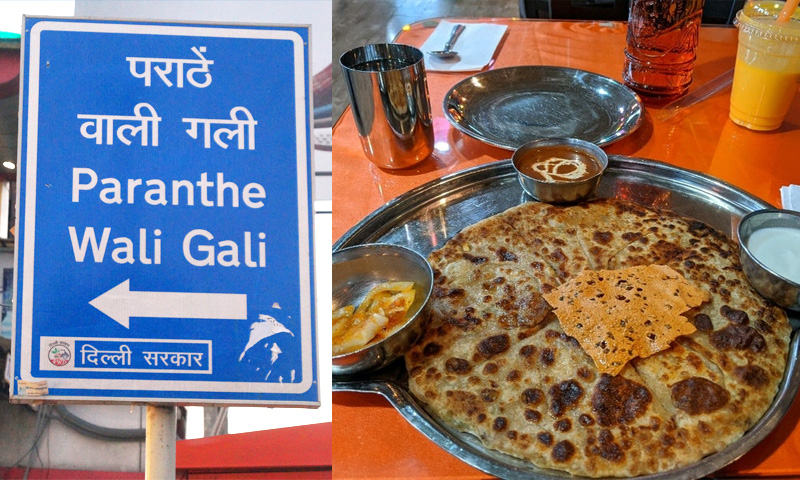
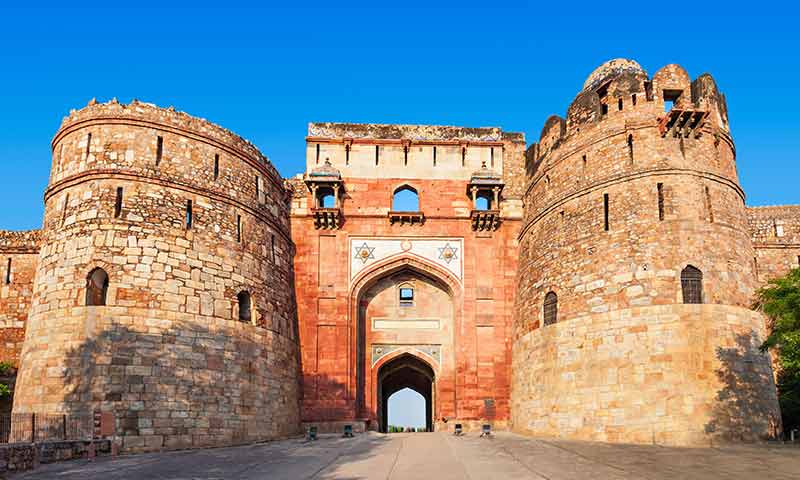
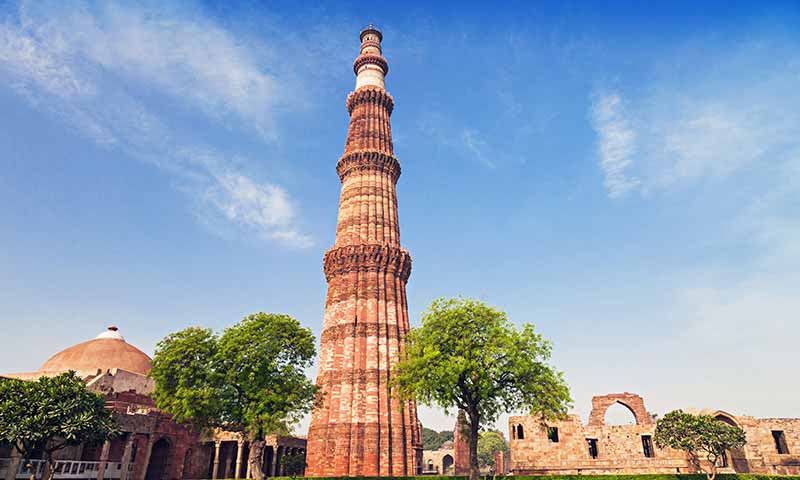
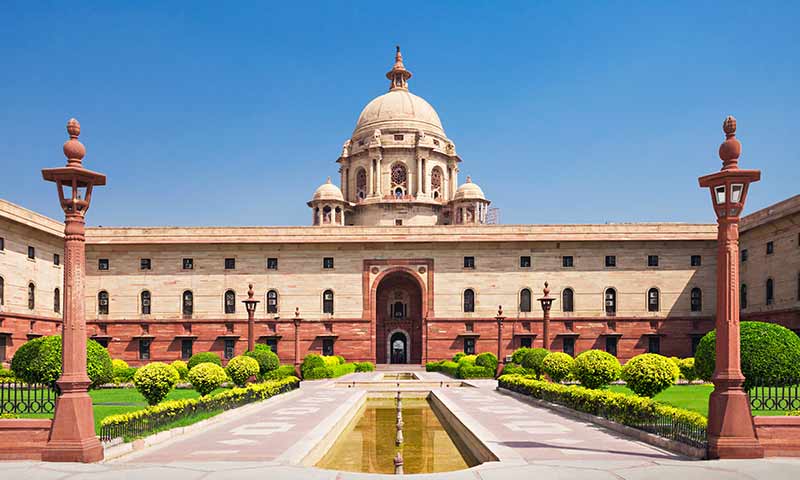
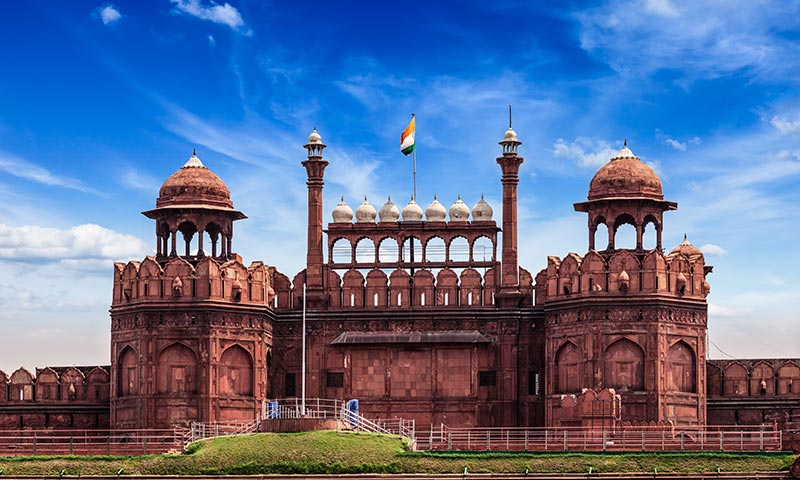
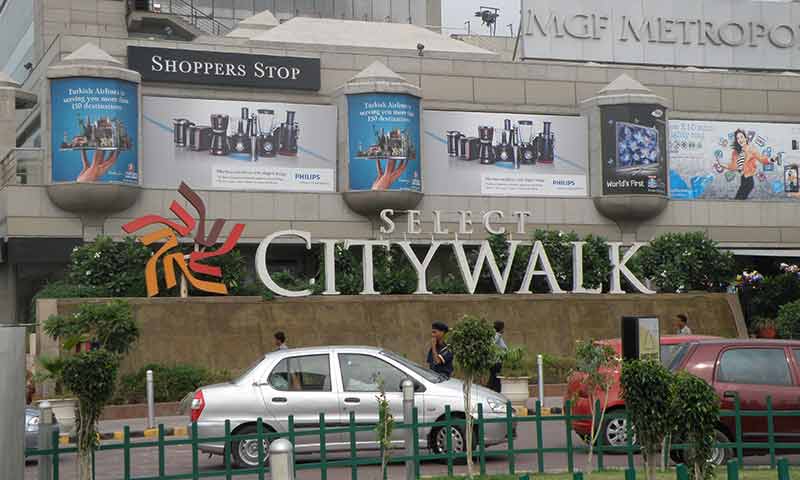
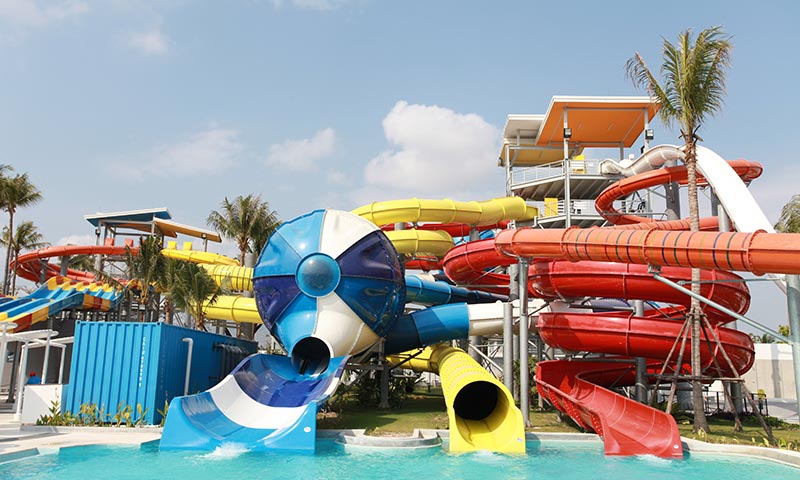
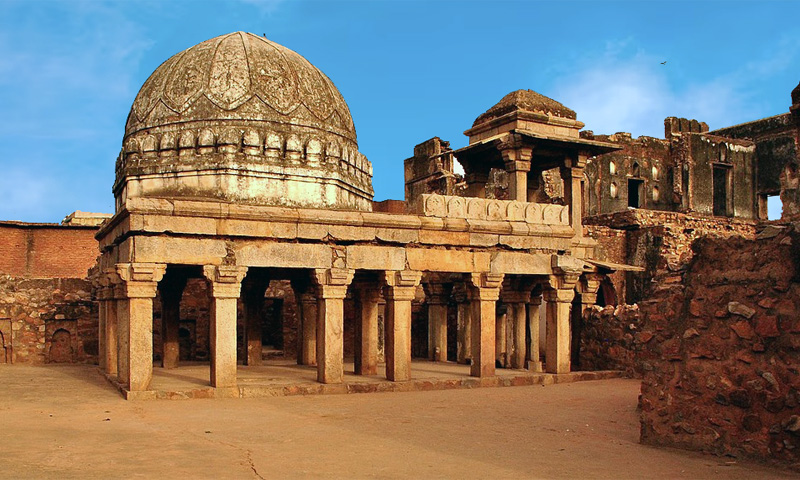
Delhi's Famous Attractions and Nearest Metro Station
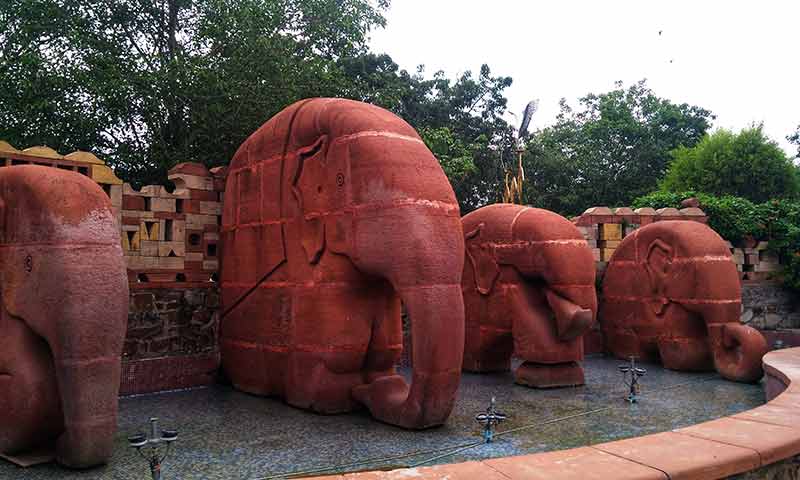
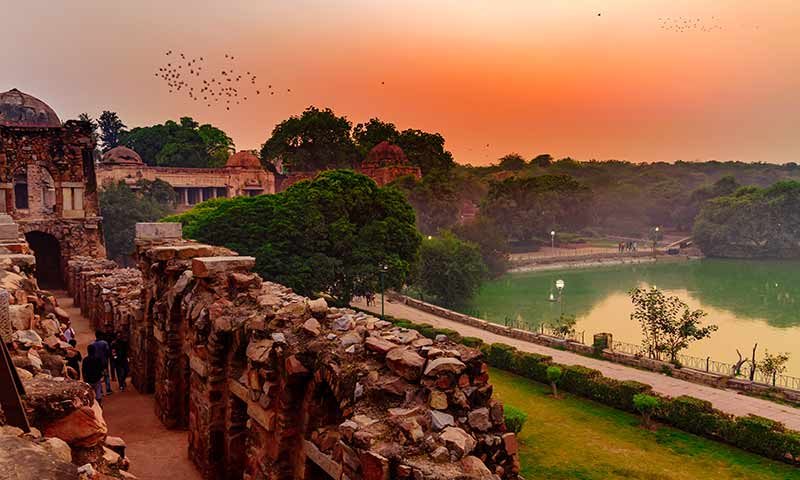
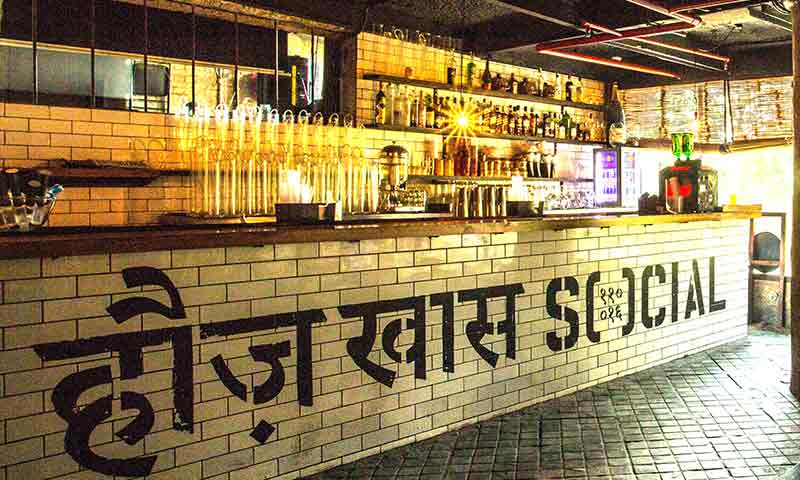
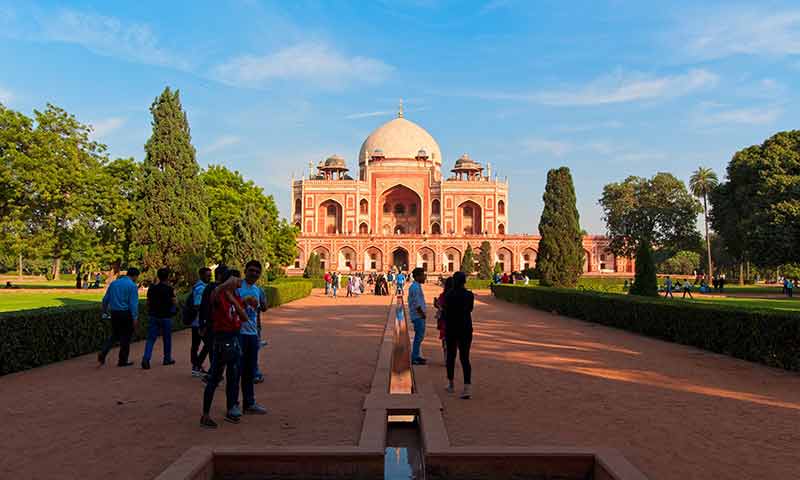
Explore Delhi’s popular tourist attractions along with their nearest Delhi Metro stations, making it easy to plan your sightseeing, navigate the city efficiently, and enjoy metro travel.

Explore Other Metro Networks in India
Explore metro networks in major cities across India, including Delhi Metro, and get information about their routes, stations, fares and connectivity.




















Saved Routes
Tap Save Route on any route page.