Find Top Attractions in India
Entry Fee & Ticket
₹30 for Indians; ₹500 for foreigners; free for children below 15 years. Opens 7:00 am to 5:00 pm |
Online Tickets (ASI website):
Adults Indians (per person): ₹35/-
Foreigners (per person): ₹550/-
BIMSTEC, SAARC Countries (per
Opening Time & Days
Qutub Minar complex opening and closing timings is 07:00 AM – 09:00 PM.
Open Days
The complex is open on all days of the week.
Best Time to Visit
January, February, March
Place Visit With
Place Type
Official Info
Website 🔗Nearest Metro Stations
Qutub Minar Nearby Bus Stops
How to Reach Qutub Minar
Here's the closest transport hub for each option, with the distance from Qutub Minar.
-
9.0 km awayBy air · Nearest AirportFly into IGI New Delhi Airport
-
6.7 km awayBy rail · Nearest Railway StationTake a train to Safdarjung Railway Station
-
17.1 km awayBy road · Nearest Bus TerminalCatch a bus from Kashmere Gate ISBT
About Qutub Minar
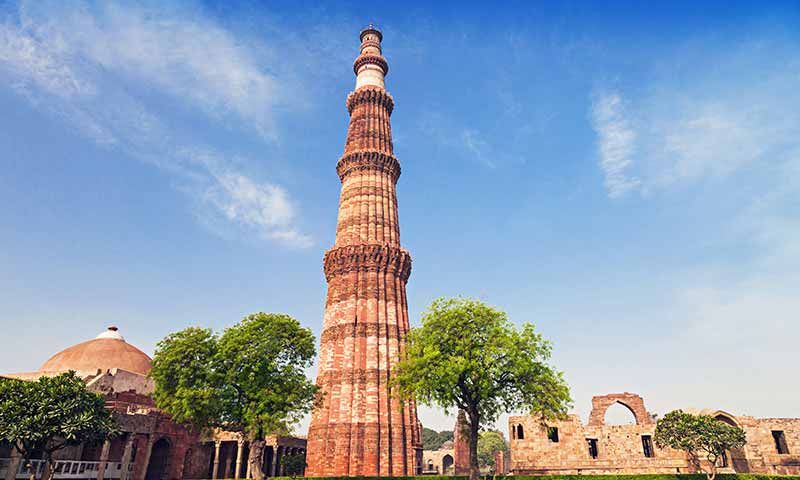
The Qutub Minar, located in Mehrauli, Delhi, is a UNESCO World Heritage Site and one of India's most significant ancient monuments. Its construction began in 1199 CE during the reign of Qutb al-Din Aibak of the Delhi Sultanate and was continued by his successors. Built as a victory tower and a symbol of Islamic rule in North India, it forms the central core of the Qutub Complex, which covers approximately 72,700 square meters. Standing 72.5 meters tall, the minaret reflects early Indo-Islamic architectural influences, blending Islamic calligraphy with indigenous design, and remains a major cultural, historical, and tourist landmark in Delhi.
Architecture of Qutub Minar
The Qutub Minar represents early Indo-Islamic architecture, deeply influenced by Afghan and Indian traditions. The construction of Qutub Minar was started by Qutb al-Din Aibak in 1199 CE, enlarged by Iltutmish in 1220 CE, and later improved by Firoz Shah Tughlaq in 1369 CE.. Constructed primarily of red sandstone, with marble additions, the tower tapers upwards through five distinct stories, each with a projecting balcony supported by muqarnas-style brackets. Intricate Quranic inscriptions, geometric bands, and floral carvings symbolize religious authority and royal power. Advanced stone masonry techniques and precise planning ensured structural stability for its height. The surrounding Qutub Complex illustrates the historical development under successive rulers.
- Qutub Minar (five-storeyed minaret)
- Quwwat-ul-Islam Mosque
- Iron Pillar of Delhi
- Ala’i Darwaza gateway
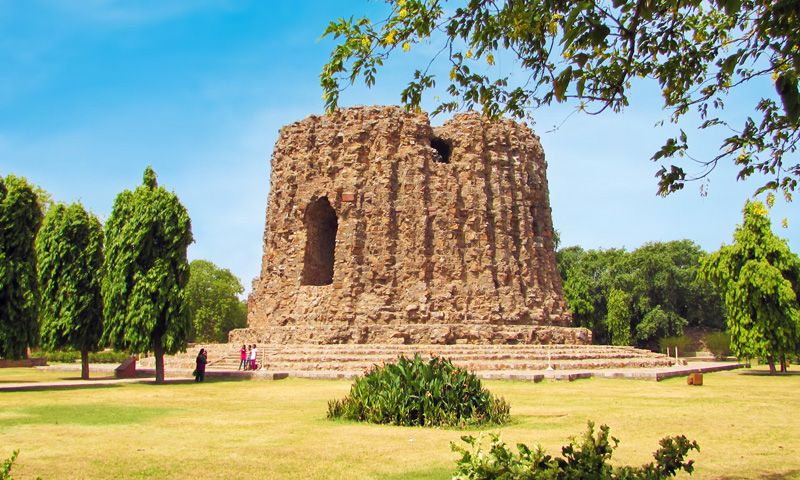
- Ala’i Minar (unfinished)
- Courtyards and ruined madrasa structures
Interesting facts about Qutub Minar
- The Qutub Minar is the world's tallest brick minaret, standing approximately 72.5 meters high.Its construction uses both red sandstone and white marble, reflecting the changing eras of architecture.For the past 2,000 years, this iron pillar has stood the test of time and remains uncorked. It has attracted the attention of archaeologists and materials scientists.Prior to 1974, the public was allowed to access the top of the minaret. On December 4, 1981, 45 people were killed in a stampede after a power outage plunged the tower's stairs into darkness.The Iron Pillar located in Delhi, India, is a 7 m column in the Qutb complex.Contrary to popular belief, the Qutub Minar is not a standalone minaret. In fact, the Qutub Minar is surrounded by several great historical monuments
Qutub Minar FAQs:
Online Tickets (ASI website):
Adults Indians (per person): ₹35/-
Foreigners (per person): ₹550/-
BIMSTEC, SAARC Countries (per Qutub Minar complex opening and closing timings is 07:00 AM – 09:00 PM..
Qutub Minar Neighbourhood
Explore nearby places within 5 km of Qutub Minar including attractions, cinemas, colleges, hospitals and more.
Explore Other Attractions Nearby
More places to visit in Delhi
| Paid Entry |
| Paid Entry |
| Free Entry |
| Free Entry |
| Free Entry |
| Free Entry |
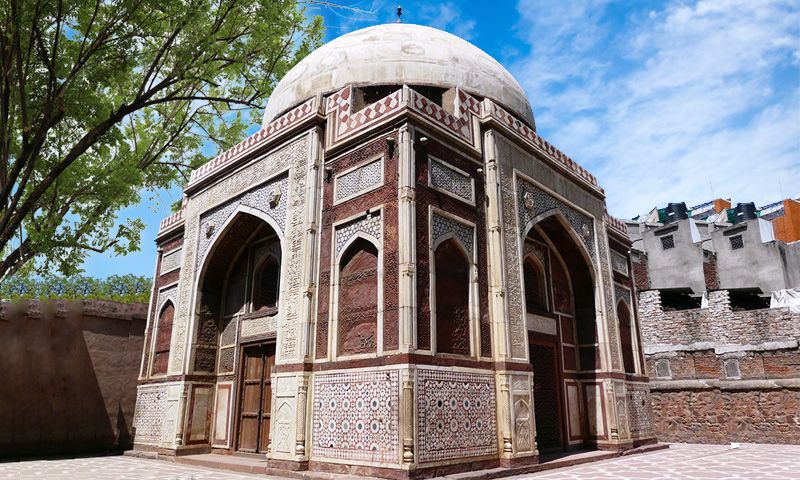
| Paid Entry |
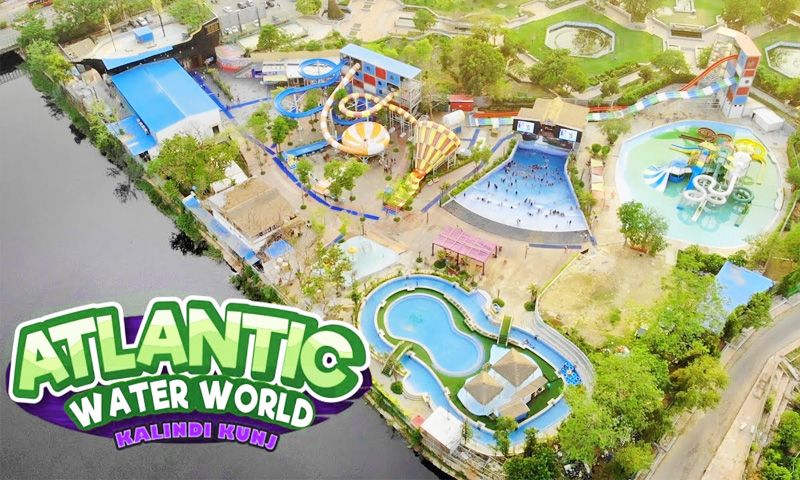
| Paid Entry |
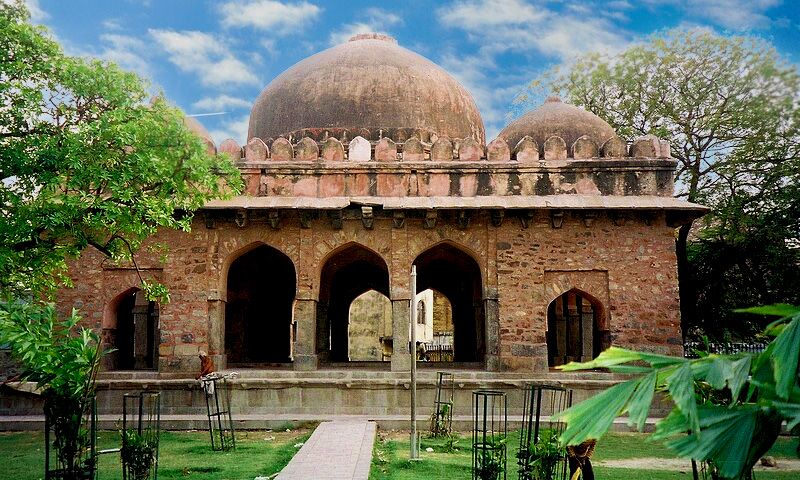
| Free Entry |
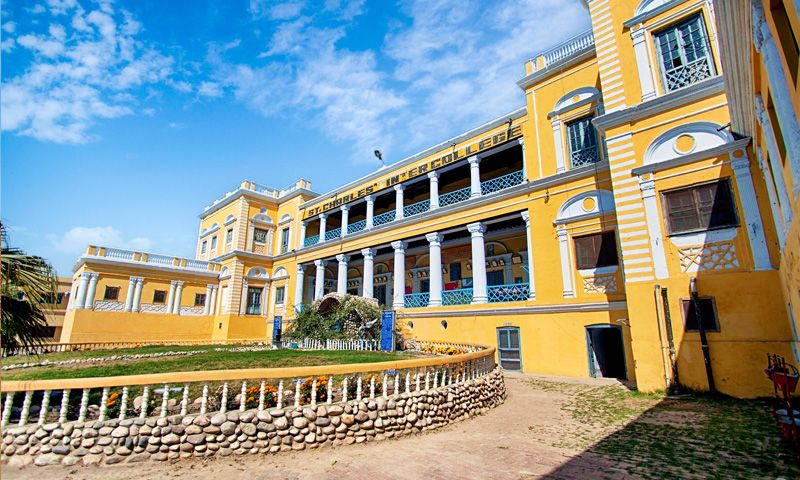
| Free Entry |
| Free Entry |
| Free Entry |
| Free Entry |
| Free Entry |
| Free Entry |
| Free Entry |
| Free Entry |
| Free Entry |

