Find Top Attractions in India
Entry Fee & Ticket
The entry fee is INR 15/Person for Indians. INR 200/person for foreigners. Bangalore Fort is open from 8:30 AM – 5:30 PM | Indians - ₹15/-, Foreigners - ₹200/-, Children below 15 years - Free
Opening Time & Days
Bangalore Fort is opening and closing timing is 8:30 AM to 5:30 PM.
Open Days
Bangalore Fort is open every day for visitors.
Best Time to Visit
January, February, March, April, May, June, July, August, September, October, November, December
Place Visit With
Place Type
Official Info
Website 🔗Nearest Metro Stations
How to Reach Bangalore Fort
Here's the closest transport hub for each option, with the distance from Bangalore Fort.
-
29.2 km awayBy air · Nearest AirportFly into Bangalore Airport
-
2.2 km awayBy rail · Nearest Railway StationTake a train to Railway Station
-
10.3 km awayBy road · Nearest Bus TerminalCatch a bus from Kengeri Bus Terminal
About Bangalore Fort
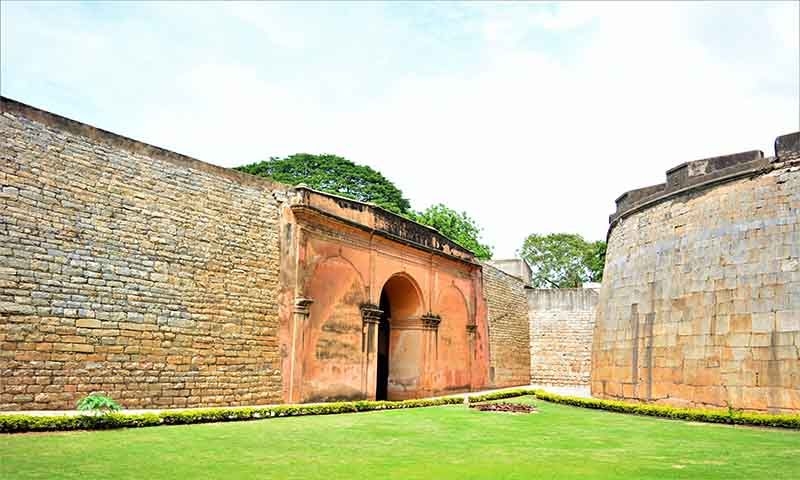
Bangalore Fort, located in New Tharagupet, Bengaluru, is a historical fort originally built in 1537 by Kempe Gowda I, the founder of Bangalore, as a mud fort to protect his settlement. Later, in the 18th century, it was rebuilt in stone during the reign of Hyder Ali, reflecting the region's military and strategic importance. Spread over approximately 13 acres, the fort showcases a blend of Vijayanagara military architecture and later Islamic influences. Its features include fortified bastions, strategic gateways and surviving sections of defensive walls, reflecting the blend of functional design and regional architectural styles that shaped early Bengaluru.
Architecture of Bangalore Fort
Bangalore Fort exemplifies evolving South Indian military architecture shaped by successive rulers. Initially established as a mud fort by Kempe Gowda I under the Vijayanagara Empire in 1537, the fort was later rebuilt with strong granite stone by Hyder Ali around 1761, and further developed under Tipu Sultan during the late 18th century. Its defensive design included thick polygonal walls, broad moats, bastions, and strategically placed gateways that combined indigenous fortification knowledge with practical enhancements.
The surviving structures display the use of stone, brick, and lime mortar, while the fort’s layout once integrated urban streets and market areas, facilitating both defence and civic life. Remnants of carved stone elements and defensive features illustrate the engineering techniques of the period.
- Delhi Gate (main surviving entrance)
- Remnants of bastions and wall segments
- Tipu Sultan’s Summer Palace within original precinct
- Internal open court and ceremonial spaces
- Moat traces around perimeter
Interesting facts about Bangalore Fort
- The fort was originally a mud structure and later rebuilt in granite, highlighting evolving defensive strategies.Bangalore Fort influenced the urban layout of the original city founded by Kempe Gowda.Stone bastions were designed to withstand cannon fire and siege warfare.The gateways feature inscriptions and motifs reflecting both Vijayanagara and Mysore Sultanate influences.Archaeological surveys reveal remnants of watchtowers and internal troop quarters within the fort.The fort’s alignment and moats demonstrate advanced knowledge of military engineering and strategic urban planning in the 16th–18th centuries.
Bangalore Fort FAQs:
Bangalore Fort Neighbourhood
Explore nearby places within 5 km of Bangalore Fort including attractions, cinemas, colleges, hospitals and more.
Explore Other Attractions Nearby
More places to visit in Bengaluru
| Free Entry |
| Free Entry |

| Free Entry |
| Free Entry |
| Free Entry |
| Free Entry |
| Free Entry |

| Free Entry |
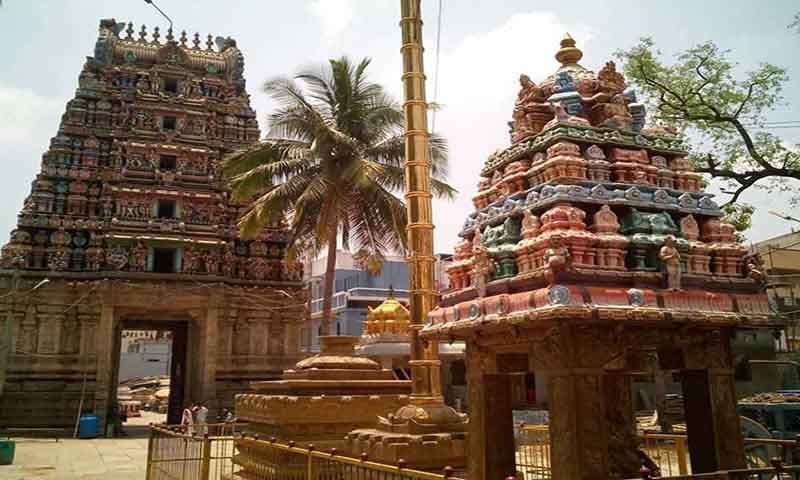
| Free Entry |
| Paid Entry |
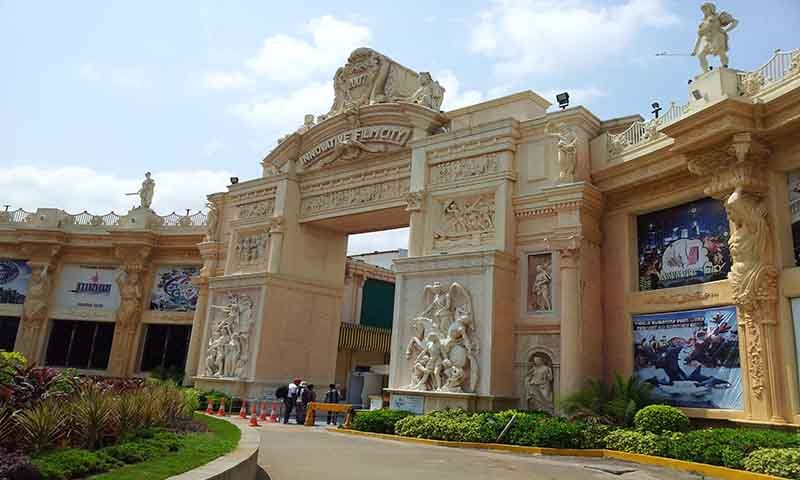
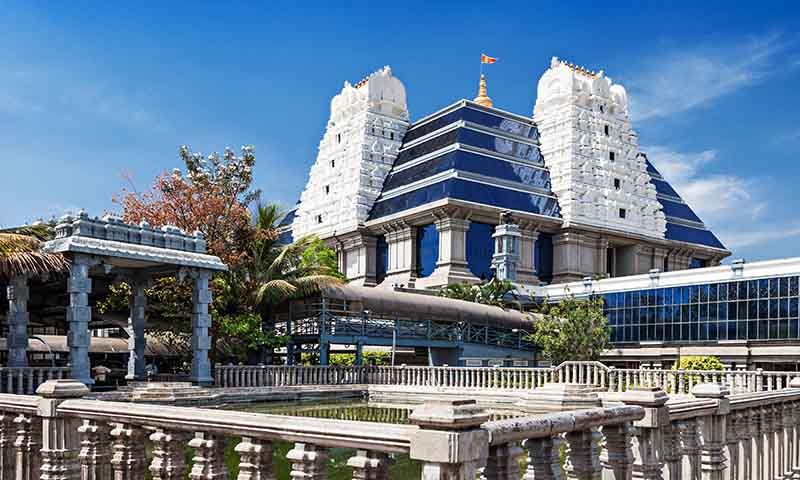
| Free Entry |

| Paid Entry |
| Free Entry |
| Paid Entry |
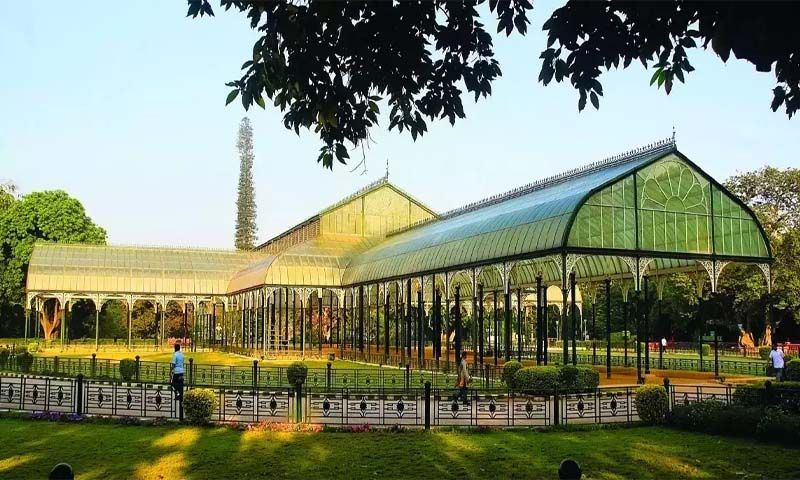
| Paid Entry |
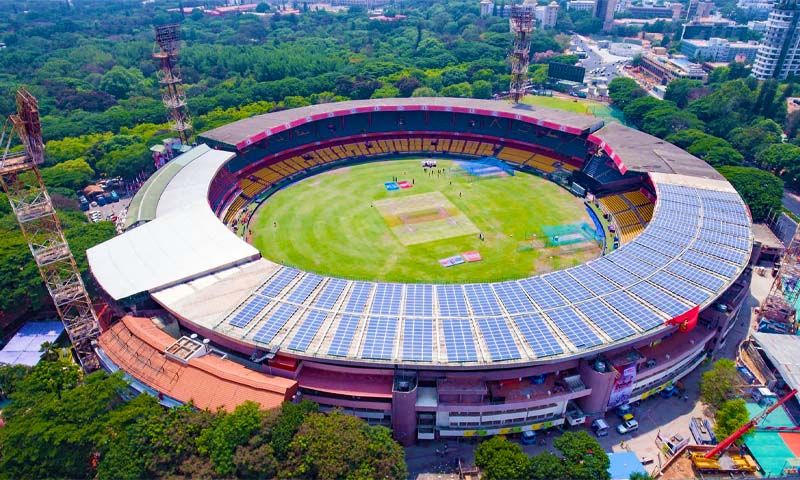
| Free Entry |

