Find a KMR Route

Kochi Metro
Kochi Metro Overview
Hop on a Kochi Metro Metro train for a convenient, fast, and eco-friendly way to explore Kochi and its neighbouring areas. With well-defined routes and an easy-to-navigate route map, the Kochi Metro is a popular public transit system and a preferred mode of travel to visit top attractions in and around Kochi. At present there are 25 active metro stations. YoMetro helps you with information such as Kochi Metro route, service updates, timings, first/last train schedule, metro route map, fare charts, ticket details, interchange, top attractions near metro stations, and metro news.
Kochi Metro Route Map 2026
View and download the official KMR route map.
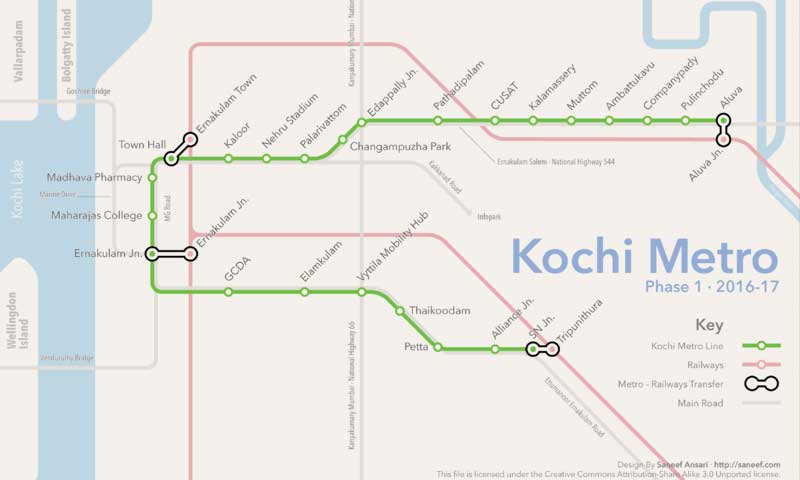
Kochi Metro Lines & Terminal Stations 2026
All KMR metro lines with terminal station details and current operational status.
Kochi Metro Fare Chart 2026
Distance-based Fare
| Distance (km) | Normal Fare (₹) | Smart Card (₹) |
|---|---|---|
| Up to 2 km | ₹10 | ₹9 |
| 3 – 5 km | ₹20 | ₹18 |
| 6 – 8 km | ₹30 | ₹27 |
| 9 – 12 km | ₹40 | ₹36 |
| 13 – 17 km | ₹50 | ₹45 |
| 17 – 100 km | ₹60 | ₹54 |
Tickets & Cards
Kochi Metro History, Facts & Expansion Plan
- The Kochi Metro is a rapid transit system serving the city of Kochi in Kerala, India.
- The idea of Kochi Metro was first proposed in 1999 by the 9th Chief Minister of Kerala, E.K. Nayanar.
- On 21 July 1999, the Kerala government assigned the project to Rail India Technological and Economic Services (RITES) for a feasibility study on the metro rapid transport system in Kochi.
- RITES' report was submitted to the Kerala government in the same year, 1999.
- On 22 December 2004, the second Kerala government assigned the Delhi Metro Rail Corporation (DMRC) to prepare the detailed project report (DPR) for Kochi Metro.
- On 2 January 2008, the Kochi Metro project was sent to the Central Government for ratification.
- The Public Investment Board (PIB) cleared the project on 22 March 2012, subject to final approval by the Union Cabinet.
- On 28 March 2012, at a KMRL board meeting, it was decided to entrust the Kochi Metro rail project work to the Delhi Metro Rail Corporation (DMRC).
- On 3 July 2012, the Union Government gave final clearance to the project.
- Former Prime Minister Manmohan Singh laid the foundation stone for the project on 13 September 2012.
- On 4 April 2013, KMRL's Director Board signed a contract with the DMRC.
- Construction work on the Kochi Metro rail project began on 7 June 2013.
- The 22 proposed stations for the Kochi Metro were approved by the State Cabinet on 19 June 2013.
- The first trial run was flagged off by Chief Minister Oommen Chandy on 23 January 2016.
- The Kochi Metro project was inaugurated in June 2017. E. Sreedharan, known as the "Metro Man of India," played a key role in its development.
- Kochi Metro Rail Limited (KMRL) is a Special Purpose Vehicle (SPV) formed for implementing the Kochi Metro Rail Project.
- The Kochi Metro project is the first metro system in India to integrate rail, road, and water transport facilities.
- Prime Minister Manmohan Singh laid the foundation stone for the Kochi Metro Rail project in 2012. The line from Aluva to Palarivattom was opened to passengers on 17 June 2017 by Prime Minister Narendra Modi.
- It is the world's first rapid transit system where the entire management operations are handled by women.
- Every Kochi Metro station is designed with a specific theme based on Kerala's culture and geography.
- Kochi Metro incorporates innovations such as social inclusion, solar energy, vertical gardens, and plastic bottle recycling.
- Using the Kochi 1 Card provides a 20% discount on fares for every metro ride. The card can also be used at retail and online stores.
- KMRL currently operates services from 6:00 AM to 10:00 PM, using Alstom Metropolis trains on Line-1.
- In February 2020, KMRL launched a daily feeder shuttle service for Rs. 50 from Aluva Station to Kochi Airport, with departures every 40 minutes.
- The first feeder shuttle service starts at 5:00 AM from the airport and at 5:40 AM from Aluva Station. The last shuttle leaves at 10:30 PM from the airport and at 11:10 PM from Aluva Station.
- Kochi Metro Rail Ltd. (KMRL) fixed fares for Kochi Metro Line-1 in November 2016, with a minimum fare of Rs. 10 and a maximum fare of Rs. 60.
Kochi Metro Network Expansion Plan: Phase II and Phase III
The Kochi Metro is being constructed in three phases. Construction work for the first phase began in June 2013. The Phase II of the Kochi Metro was approved by the State Cabinet on 17 May 2017, and the foundation stone for this phase was laid by Prime Minister Narendra Modi on 1 September 2022. In September 2023, it was announced that the Phase II will be known as the 'Pink Line'.
Phase II of the Kochi Metro will have 11 stations along the 11.2 km long route from JLN Stadium to Infopark, and is planned to be completed by 2026. The line will have 11 stations - Palarivattom Junction, Palarivattom Signal, Chembumukku, Vazhakkala, Kunnumpuram, Kakkanad Junction, Kochi Special Economic Zone, Chittethukara, Rajagiri, Infopark I and Infopark II. The extension is planned to be completed by 2026.
KMRL has submitted the project proposal for the Phase-III extension of Kochi Metro to the Union Ministry of Housing and Urban Affairs (MoHUA), and the final approval is expected soon.
The Phase-III extended line will start from Aluva and go up to Alina Valavu along National Highway 544. It will then go to Cochin International Airport via Kariyad-Airport-Mattur Road. The original plan for this phase will include 11 stations and a total length of 14 km. However, the route is still being finalised based on feasibility and land acquisition challenges.
Kochi Metro Frequently Asked Questions
Passengers are allowed to carry sealed liquor bottles within the permissible limit (below 1.5 liters). However, alcohol consumption inside Metro premises is strictly prohibited.
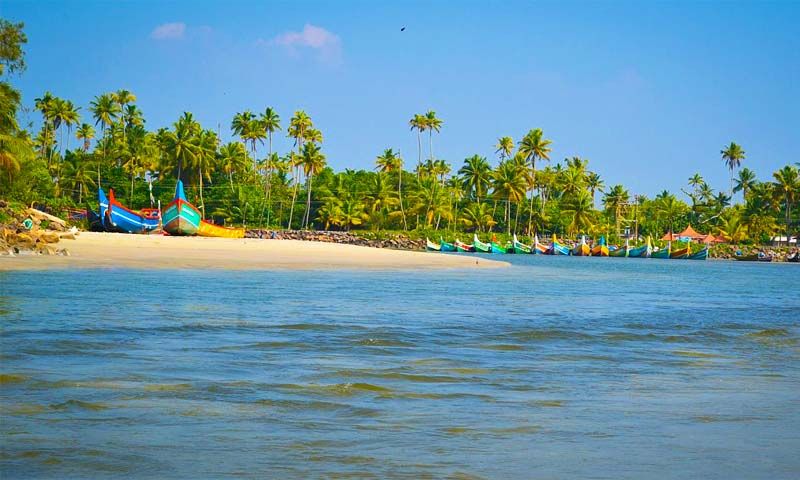
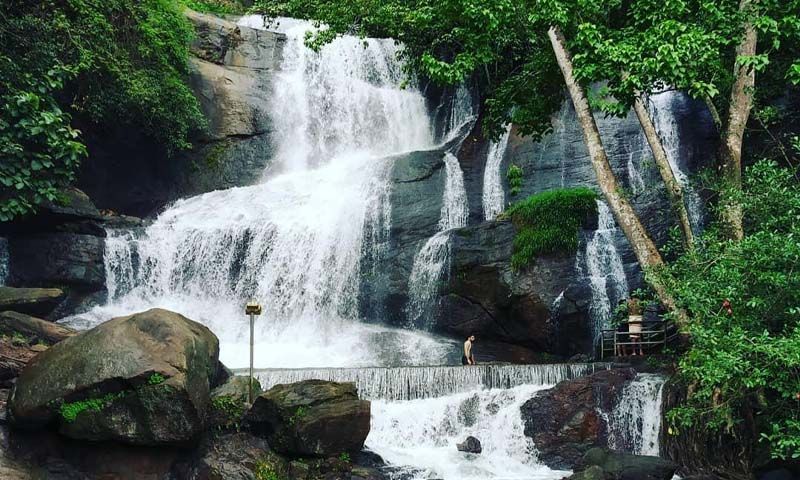
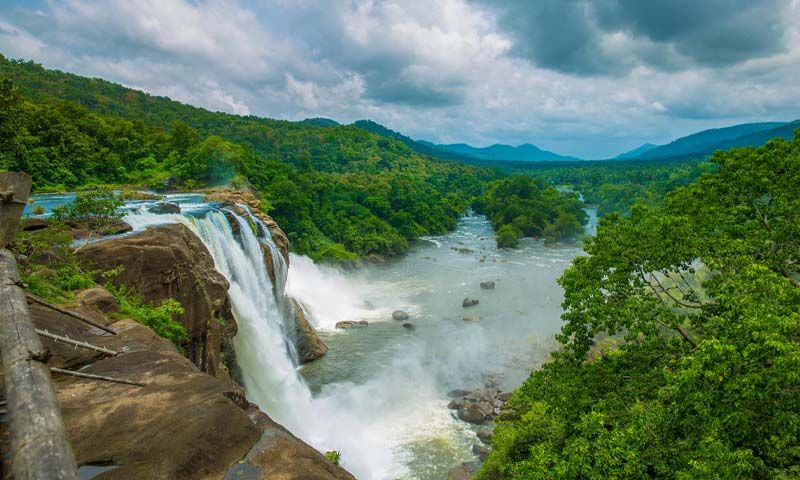
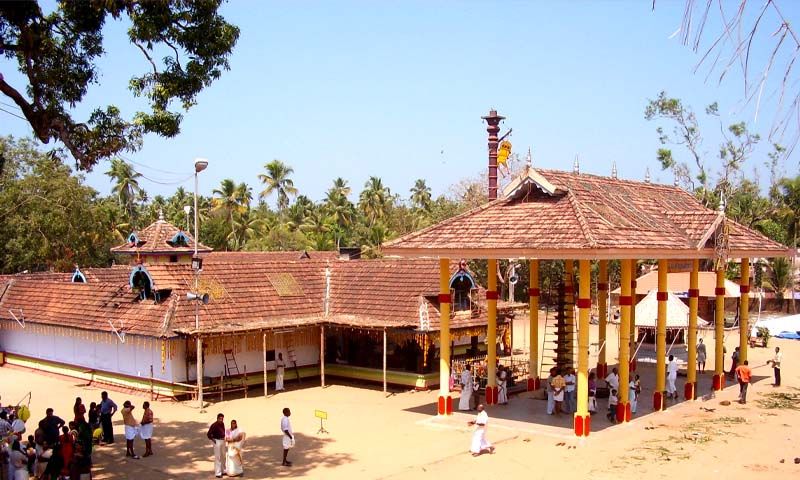
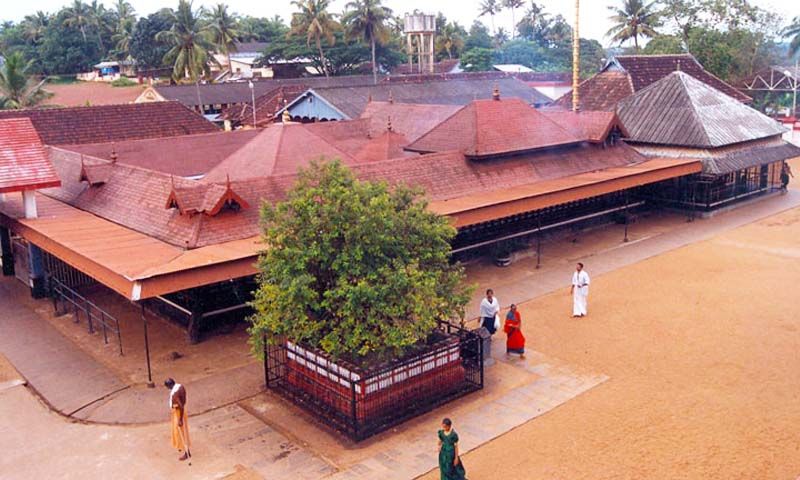
Top Attractions in Kochi
Explore popular places to visit near Kochi Metro.

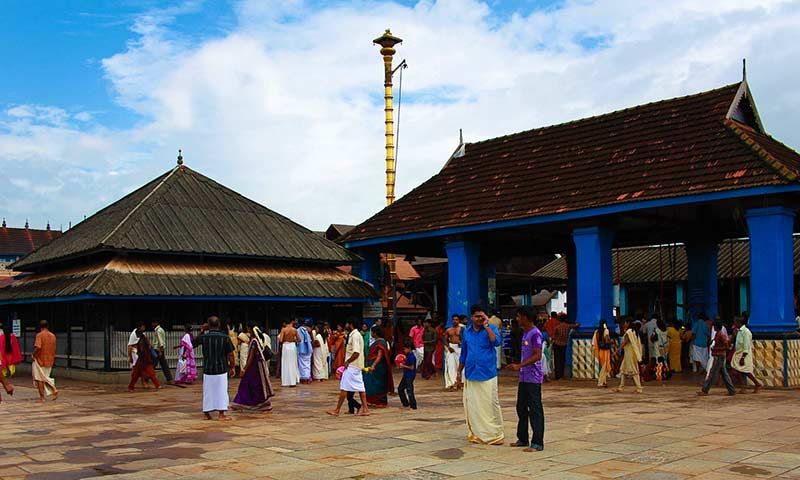
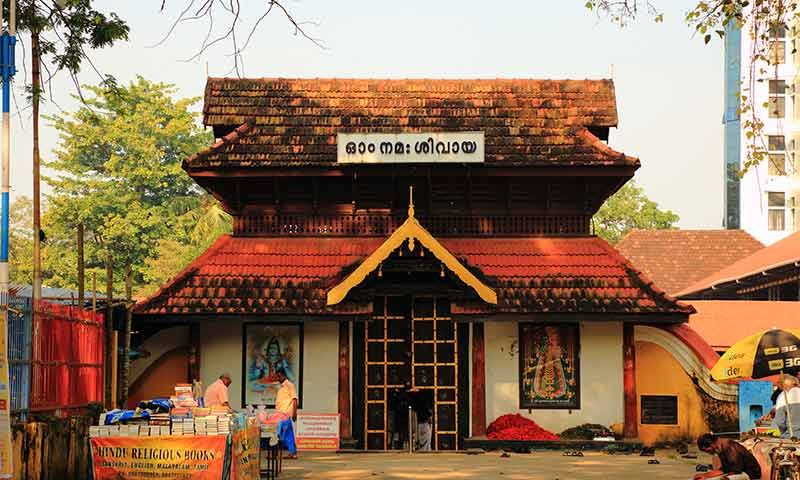
| Free Entry |
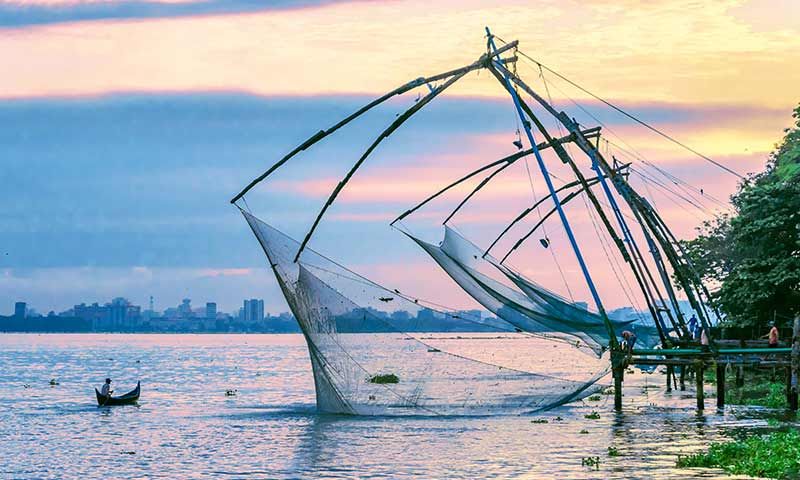
| Free Entry |
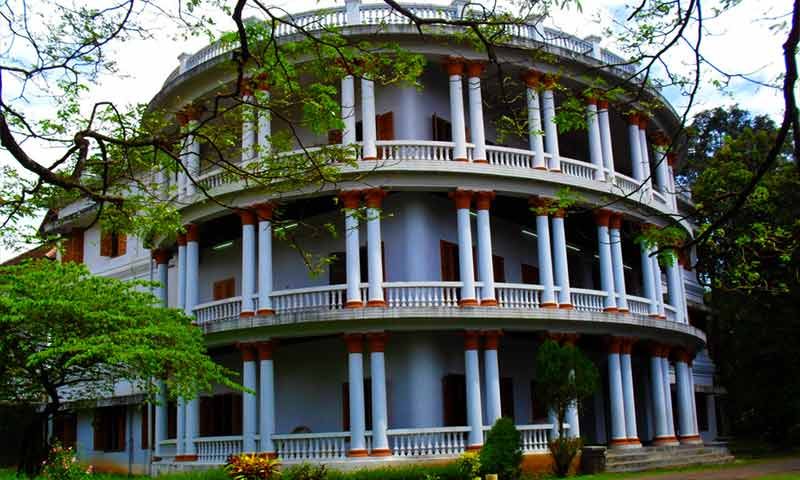
| Paid Entry |
| Paid Entry |