Find a CMR Route

Chennai Metro
Chennai Metro Overview
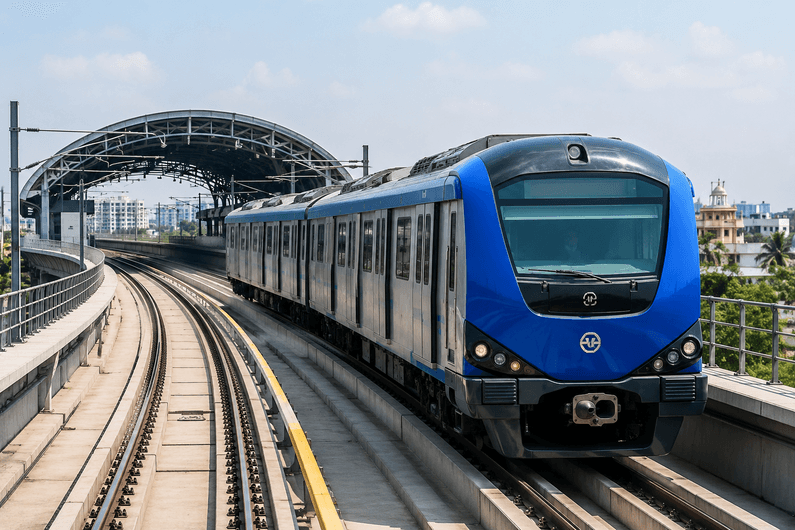
Hop on a Chennai Metro Metro train for a convenient, fast, and eco-friendly way to explore Chennai and its neighbouring areas. With well-defined routes and an easy-to-navigate route map, the Chennai Metro is a popular public transit system and a preferred mode of travel to visit top attractions in and around Chennai. At present there are 54 active metro stations. YoMetro helps you with information such as Chennai Metro route, service updates, timings, first/last train schedule, metro route map, fare charts, ticket details, interchange, top attractions near metro stations, and metro news.
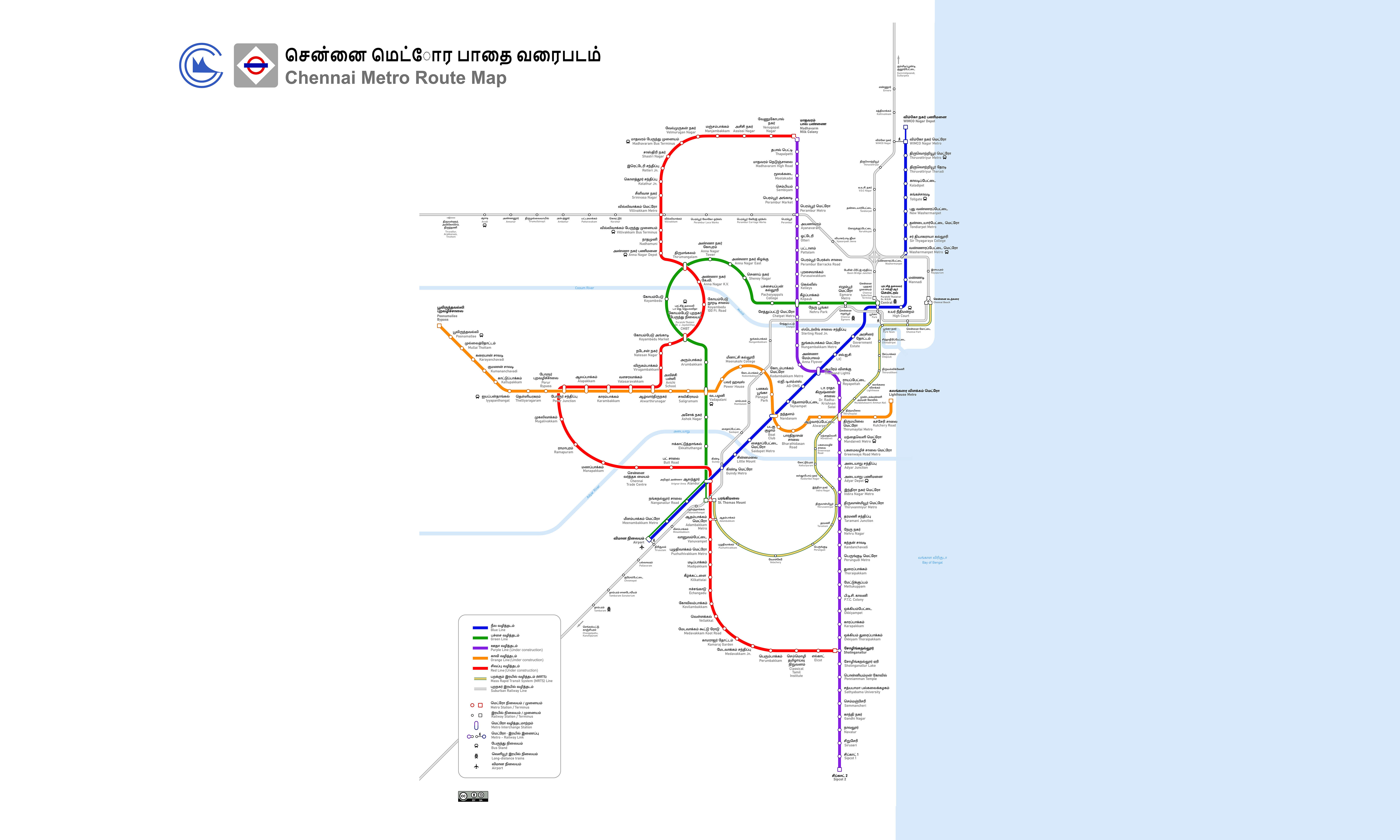
Chennai Metro Route Map 2026
View and download the official CMR route map.
Chennai Metro Lines & Terminal Stations 2026
All CMR metro lines with terminal station details and current operational status.
Chennai Metro Fare Chart 2026
Distance-based Fare
| Distance (km) | Normal Fare (₹) | Smart Card (₹) |
|---|---|---|
| Up to 1 km | ₹10 | ₹8 |
| 2 – 3 km | ₹20 | ₹16 |
| 4 – 8 km | ₹30 | ₹24 |
| 9 – 15 km | ₹40 | ₹32 |
| 16 – 25 km | ₹50 | ₹40 |
| 25 – 100 km | ₹60 | ₹48 |
Tickets & Cards
Chennai Metro History, Facts & Expansion Plan
- The Chennai Metro is a rapid transit system serving the city of Chennai, Tamil Nadu, India.
- Chennai\'s oldest suburban railway network was established around 1931 and operated on a metre-gauge line.
- The first phase of the Chennai Mass Rapid Transit System (MRTS) was established in 1995, making it India\'s first elevated line.
- The Chennai government hired the Delhi Metro Rail Corporation (DMRC) to prepare a Detailed Project Report for the Chennai Metro.
- The project was approved by the state cabinet on 7 November 2007, and the Planning Commission gave in-principle approval on 16 April 2008.
- Construction work on the Chennai Metro began on 10 June 2009 with piling work.
- In July 2012, the Chennai Metro\'s first tunnel boring machine was launched.
- By October 2012, more machines were commissioned to bore tunnels along the underground stretches, divided into three sections.
- On 14 February 2014, the maiden trial run for the metro was conducted between the Koyambedu and Ashok Nagar stations.
- In January 2015, a report was submitted to the Commissioner of Metro Rail Safety for approval.
- For the first time in Chennai, commercial operations began on 29 June 2015 between the Alandur and Koyambedu stations.
- Almost one year later, on 21 September 2016, commercial operations commenced between the Chennai International Airport metro station and Little Mount.
- The first underground line started operations between Thirumangalam Metro Station and Nehru Park Metro Station on 14 May 2017.
- On 10 February 2019, the underground Blue Line was inaugurated by Prime Minister Narendra Modi.
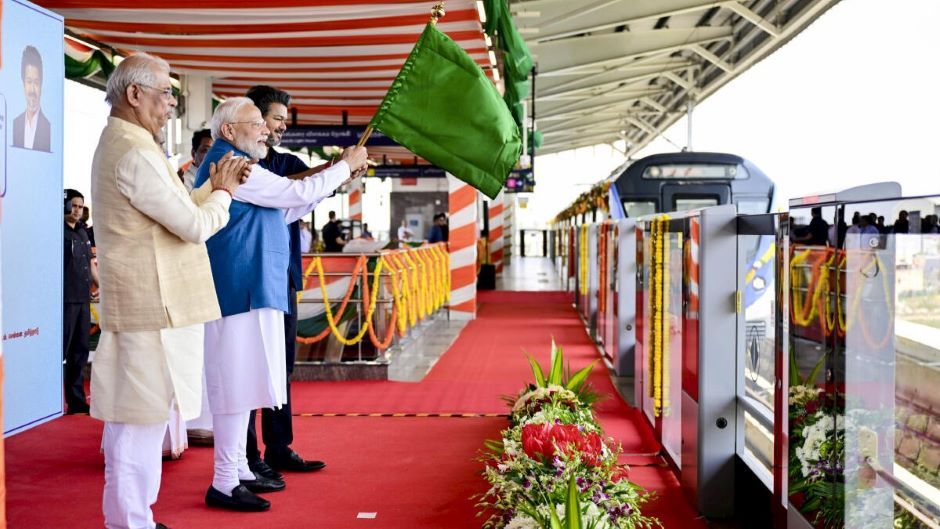
- On 11 October 2026, Prime Minister Narendra Modi inaugurated the Poonamallee Bypass–Vadapalani section of Chennai Metro Phase 2 in the presence of Tamil Nadu Chief Minister C. Joseph Vijay.
- The new metro section from Poonamallee Bypass to Vadapalani is about 14.6 km long and is part of Corridor 4 of the Chennai Metro.
- The first operation began on 29 June 2015 for the public, covering seven stations from Koyambedu to Alandur over a distance of 10 kilometres.
- The services operate daily between 4:30 AM and 11:00 PM, with a varying frequency of 5 to 14 minutes.
- The Chennai Metro runs on a standard gauge track measuring 1,435 millimetres (56.5 inches), and the lines are double-tracked.
- The average speed of operation is 35 kilometres per hour (22 mph), while the maximum speed is 80 kilometres per hour (50 mph).
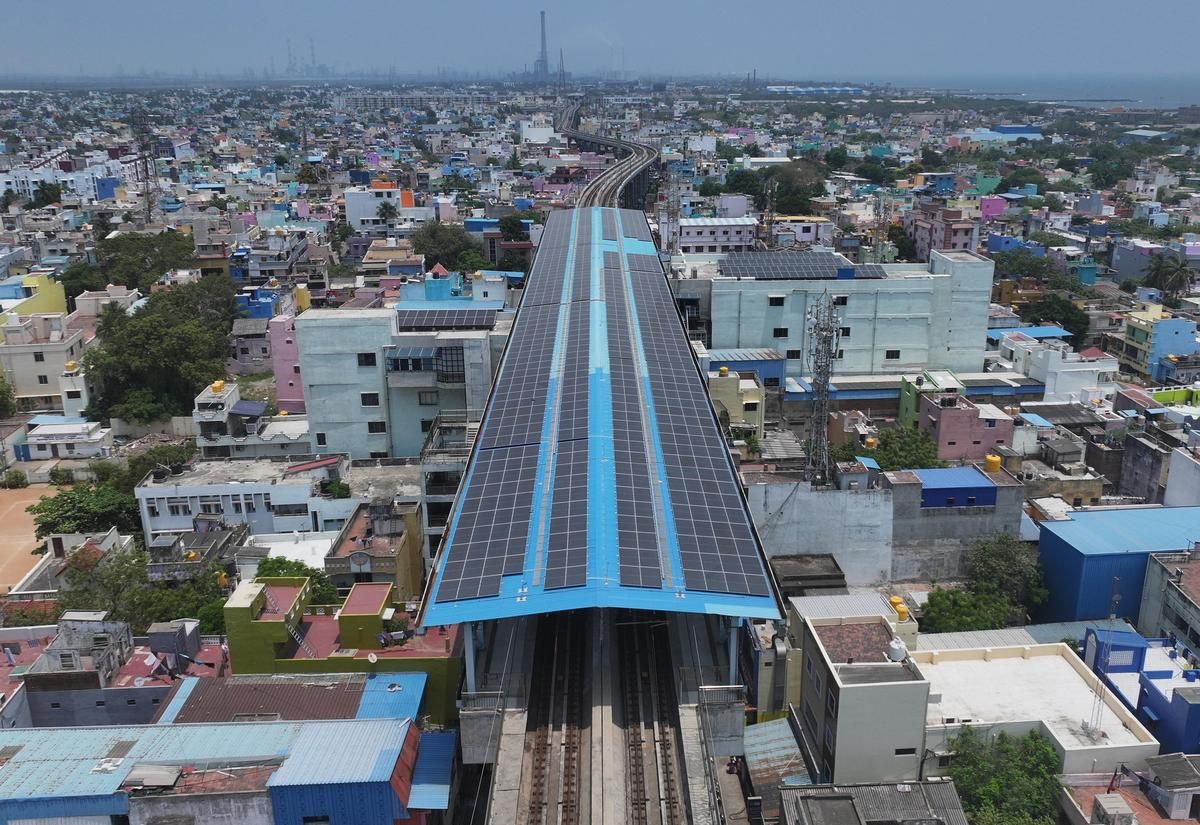
- The Chennai Metro is also planning to use solar power for five of its stations on the elevated corridor, with a production capacity of 200 kW.
- The first car in each train is a First Class compartment, with tickets costing twice as much as the Second Class tickets.
- There is a discount of 50% for all journeys taken on Sundays and public holidays, applicable to Single Journey Tokens (Rs. 5 to Rs. 30) and Stored Value Cards (Rs. 4 to Rs. 27).
- There are various slabs of penalties for offences, starting from Rs. 50 to Rs. 5,000, with imprisonment of up to 10 years. The charges depend on the type of penalty.
Chennai Metro Network Expansion Plan: Phase 2 and Phase 3
The expansion of the Chennai Metro rail network aims to improve public transport connectivity in the city and surrounding areas. Phase 2 (Phase 2) is planned to consist of a 118.9-km network and 128 stations. Additionally, Phase 3 (Phase 3) and future proposed extensions are planned to connect the airport, industrial areas, northern suburbs, and southern Chennai to the metro network.
Chennai Metro Phase 2
Chennai Metro Phase 2 consists of three major corridors: Corridor 3 from Madhavaram to SIPCOT, Corridor 4 from Lighthouse to Poonamallee Bypass, and Corridor 5 from Madhavaram to Sholinganallur. The total planned length of this phase is 118.9 km and includes 128 stations. Passenger services commenced on 11 October 2026 on the approximately 14.64 km long section of Corridor 4 from Poonamallee Bypass to Vadapalani. The remaining sections of Phase 2 are being developed in a phased manner.
Chennai Metro Phase 3
Phase 2 of the Chennai Metro and future proposed extensions aim to extend the existing network to the outskirts of the city and major transport hubs. Proposed plans include an approximately 15.46 km extension from Chennai Airport to Kilambakkam, with 12 planned stations. Additionally, 19 stations are proposed along the 21.76-kilometer corridor from Koyambedu to Pattabhiram, and 14 stations along the 27.9-kilometer stretch from Poonamallee to Sunguvarchatram.
Other proposals include a 7-kilometer corridor from Lighthouse to the High Court, a 21-kilometer metro corridor from Tambaram to Velachery, and a 25-kilometer extension from Kilambakkam to Chengalpattu. A possible 11-kilometer extension from Assisi Nagar to Wimco Nagar in North Chennai is also mentioned. These plans aim to improve connectivity between various residential, commercial, and suburban areas of the city.
The Chennai Mass Rapid Transit System, operated by the Indian Railways, is planned to be integrated into the Chennai Metro. A light rail line has been proposed to connect Tambaram, part of the Chennai suburban rail network, with Velachery on the MRTS. Further extensions are also planned for the three lines currently under construction. The second phase of the Chennai Metro is expected to be operational by 2028.
Chennai Metro Frequently Asked Questions
- Sharp Objects: Knives, swords, meat cleavers, etc.
- Explosive Materials: Gunpowder, fireworks, hand grenades, plastic explosives, etc.
- Flammable Items: Paints, petroleum products, aerosol cans, wet batteries, etc.
- Offensive Items: Blood, carcasses of dead animals, unsealed raw meat/fish, plants or saplings, skeletons, bones, rags, etc.
- Pets: Includes birds and other animals.
This list is updated periodically by Chennai Metro.
Top Attractions in Chennai
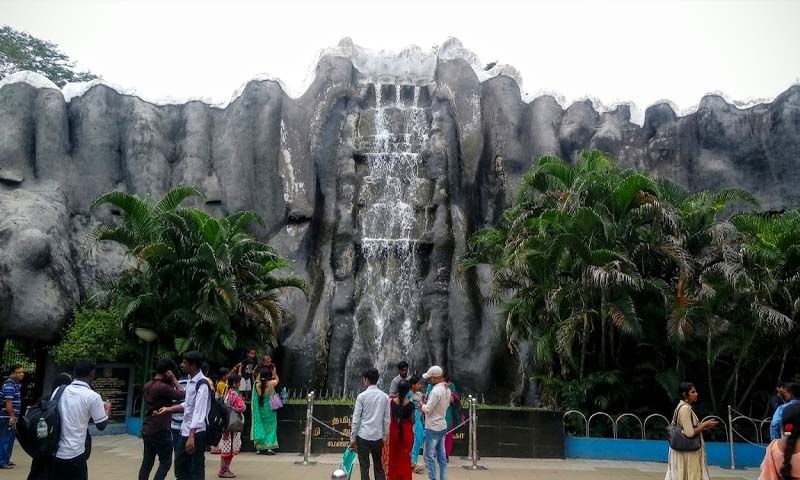
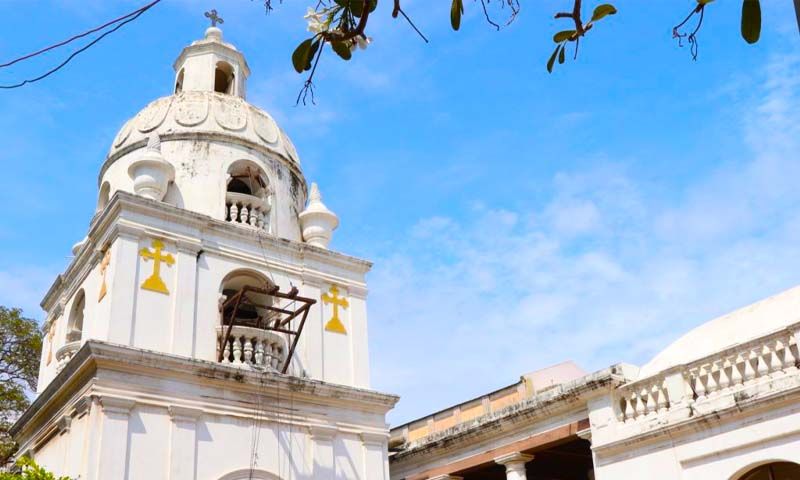
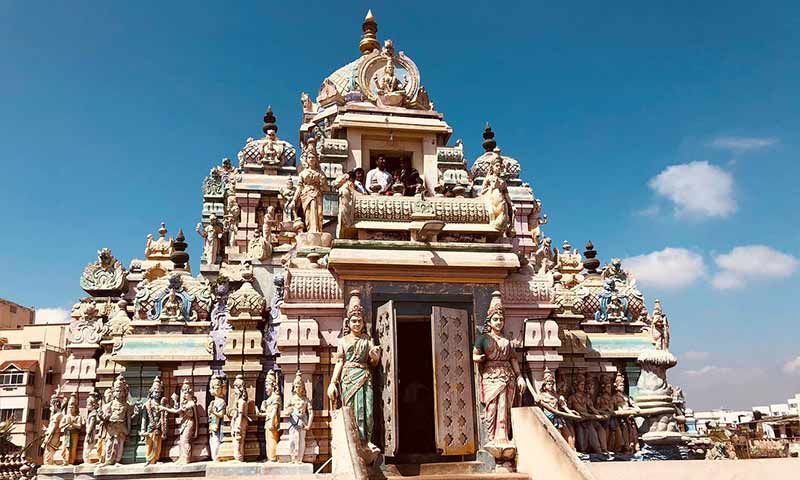
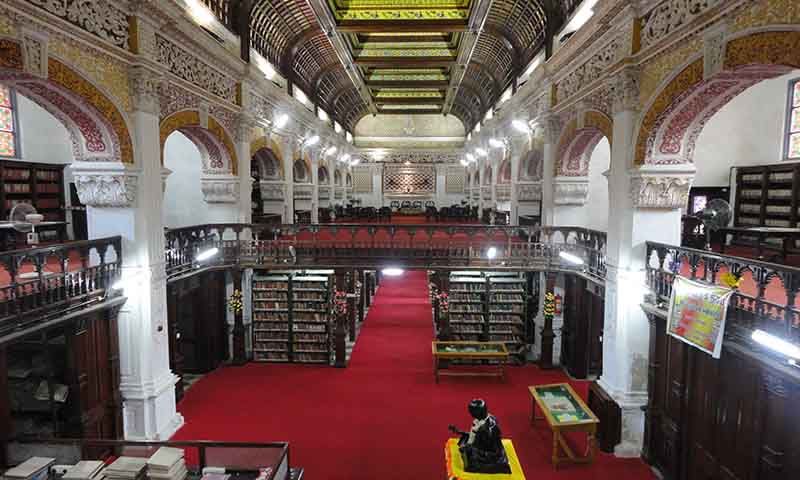
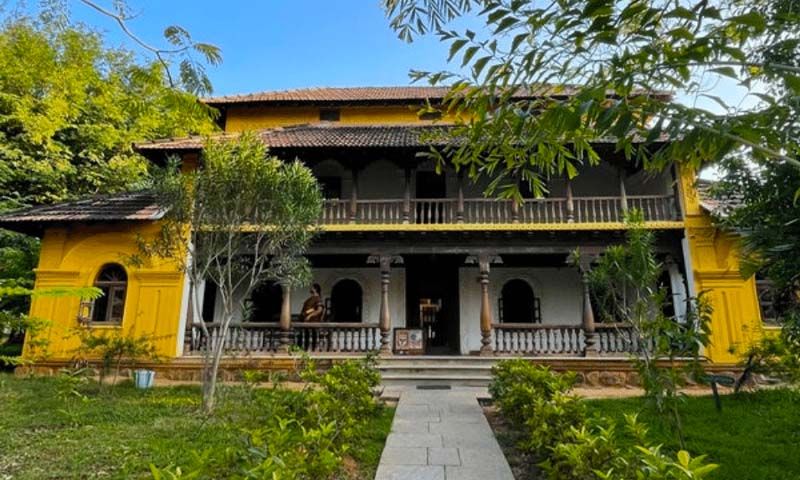
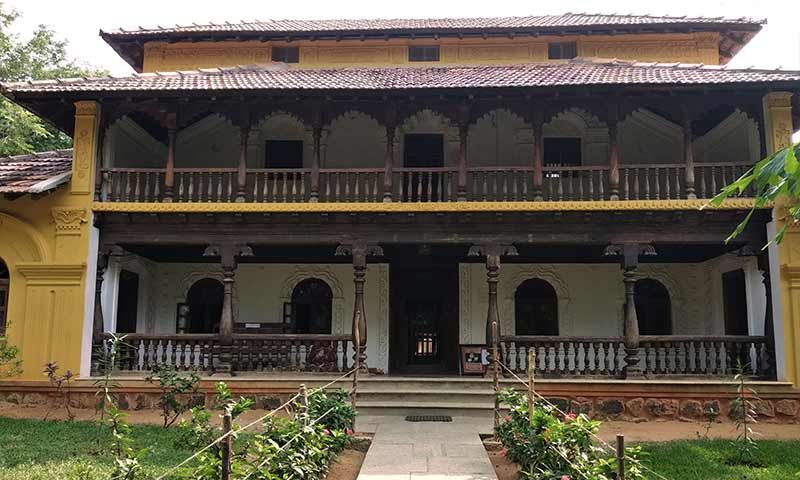
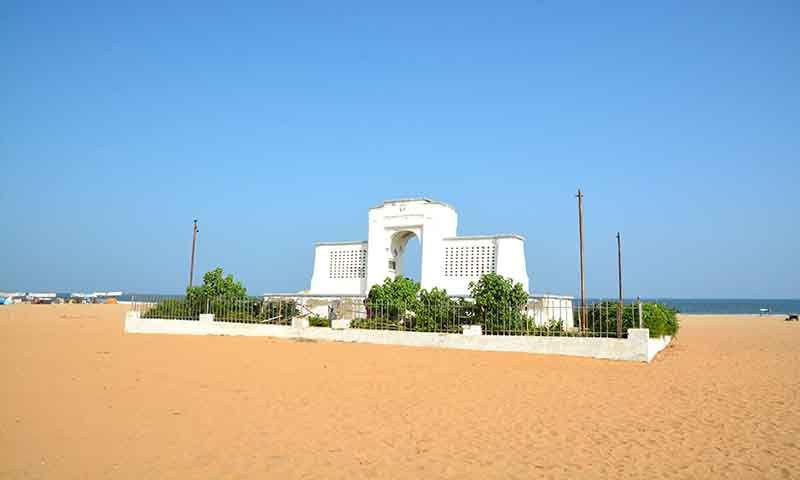
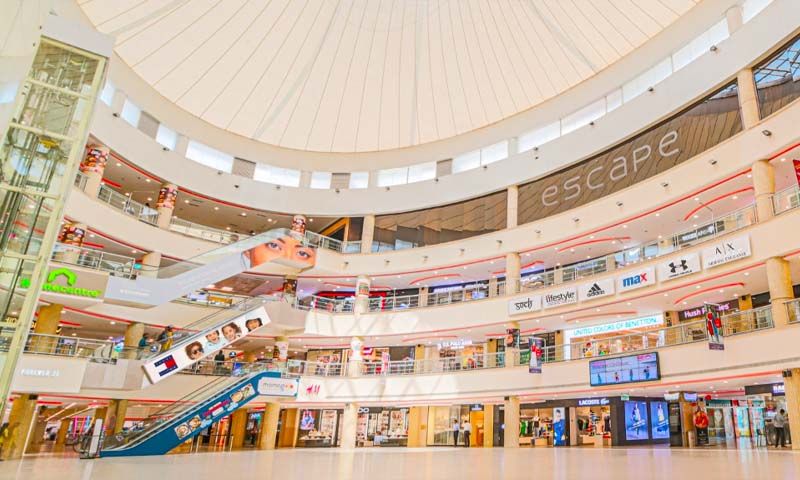
Explore popular places to visit near Chennai Metro.
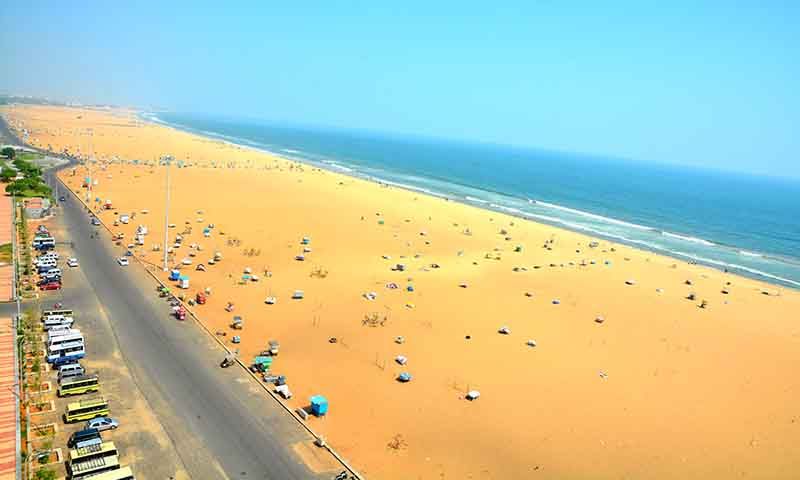
| Free Entry |

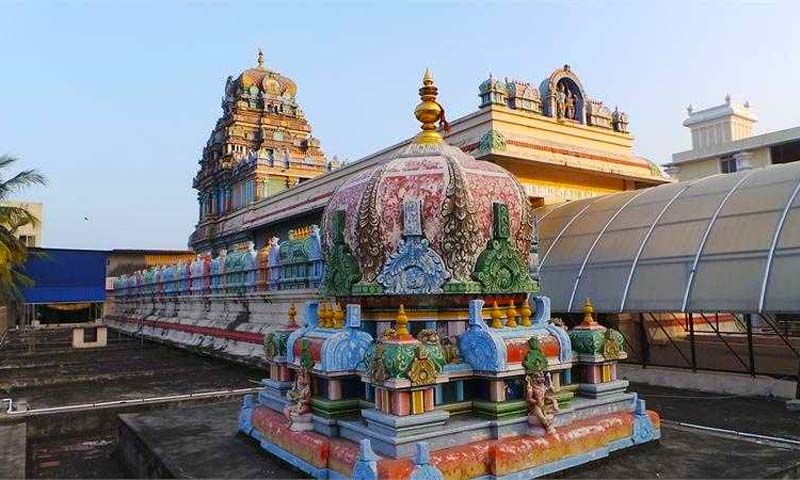

| Free Entry |
| Free Entry |