Find Top Attractions in India
Entry Fee & Ticket
Lal Mahal open from 09:00 am to 01:00 pm, 04:00 pm to 08:00 pm all days in week, Entry fee Rs 5. | No Entry Fee
Opening Time & Days
Lal Mahal opening and closing timing is 10:00 AM – 07:00 PM
Open Days
The Lal Mahal open every day for visitors
Best Time to Visit
September, October, November, December
Place Visit With
Place Type
Official Info
Website 🔗Nearest Metro Stations
How to Reach Lal Mahal
Here's the closest transport hub for each option, with the distance from Lal Mahal.
-
9.2 km awayBy air · Nearest AirportFly into Pune Airport
-
2.4 km awayBy rail · Nearest Railway StationTake a train to Pune Railway Station
-
11.9 km awayBy road · Nearest Bus TerminalCatch a bus from Vallabhnagar State Transport Bus Stand
About Lal Mahal
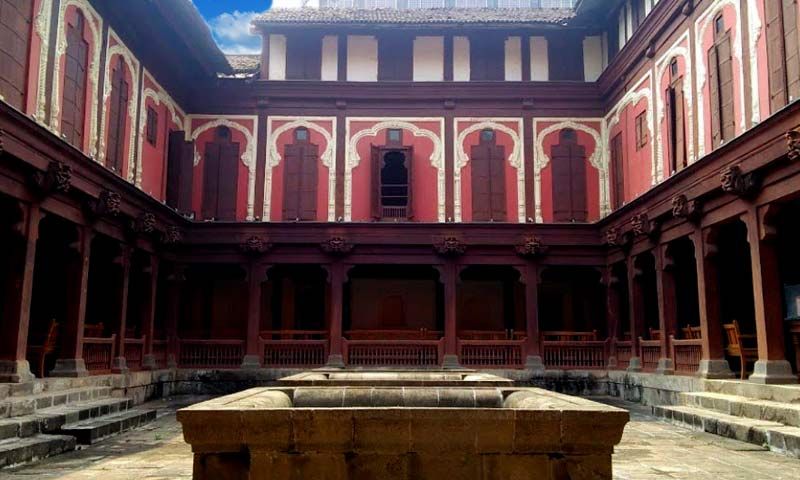
Lal Mahal, situated in Kasba Peth, Pune, is a historically significant palace built in the 17th century during the reign of Chhatrapati Shivaji Maharaj, the founder of the Maratha Empire. Originally constructed as a royal residence, it served as a center for political and administrative activities. The palace is spread over approximately 1.2 hectares in the old city area. Characterized by its red stone walls and traditional Maratha architectural features, Lal Mahal reflects a blend of functional fortification and aesthetic design. The structure holds immense cultural value, symbolizing Maratha heritage, and continues to attract visitors interested in India’s royal history and architectural evolution.
Architecture of Lal Mahal
Lal Mahal exemplifies vernacular Maratha palace architecture, adapted for both residence and symbolic assertion during the 17th‑century Deccan context. Originally constructed in 1630 under the oversight of Dadoji Kondadeo during the jagir of Shahaji Bhosale, the palace utilized traditional materials such as red bricks, timber framing, and lime mortar typical of regional construction. The layout prioritized functional living spaces and defensive readiness rather than lavish decoration. Over time, the original palace fell to ruins and was largely lost by the 18th century. In the late 20th century (1984‑1988), the Pune Municipal Corporation rebuilt the structure as a cultural memorial, incorporating exhibition halls and commemorative galleries that evoke the original’s historic significance rather than replicate its complete architectural plan.
- Main reconstructed palace building
- Exhibition halls with large oil paintings
- Statue of Rajmata Jijabai
- Replica of Raigad Fort models
- Jijamata Garden adjacent to palace
Interesting facts about Lal Mahal
- The palace was originally painted red, giving it the name “Lal Mahal” (Red Palace).At the end of the 17th century, the Lal Mahal fell into ruins and eventually fell to the ground as a result of various attacks on the city.The exact original location of the Lal Mahal is unknown, although it was believed to be very close to the location of Shaniwar Wada, the site of the current reconstruction.The present Lal Mahal was rebuilt by PMC. Its construction started in 1984 and was completed in 1988.Presently there is a museum in the Lal Mahal which houses a huge collection of huge oil-paintings depicting important life events of Shivaji Maharaj.The palace includes a statue of Rajmata Jijabai, a large map of Maharashtra highlighting Shivaji's forts, and a statue depicting younger Shivaji holding a gold plow with Jijabai and Dadoji Kondev.
Lal Mahal FAQs:
Lal Mahal Neighbourhood
Explore nearby places within 5 km of Lal Mahal including attractions, cinemas, colleges, hospitals and more.
Explore Other Attractions Nearby
More places to visit in Pune
| Paid Entry |
| Free Entry |
| Free Entry |
| Free Entry |
| Paid Entry |

| Free Entry |

| Free Entry |

| Free Entry |
| Free Entry |
| Free Entry |
| Paid Entry |
| Paid Entry |
| Free Entry |
| Free Entry |
| Free Entry |
| Free Entry |

