Find Top Attractions in India
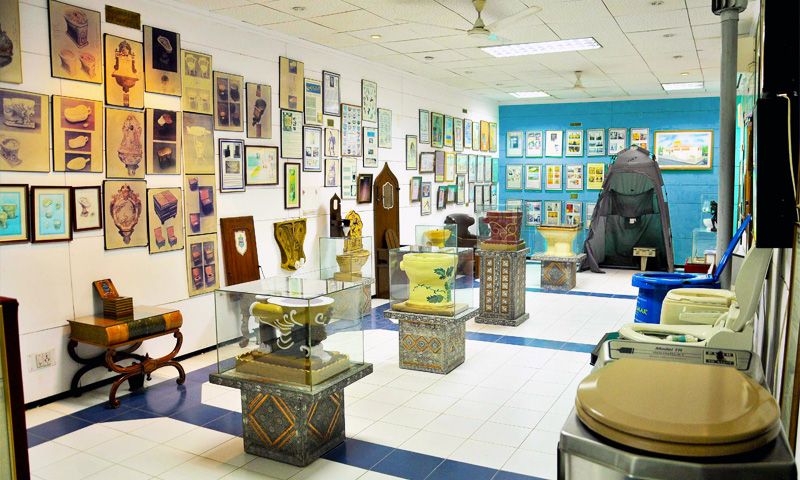
Sulabh International Museum of Toilets, Delhi
Entry Fee & Ticket
Timings:- The museum remains open from 10:00 AM to 5:00 PM, it remains closed on Sunday., Entry Fee: - Entry here is completely free. | No Entry Fee
Opening Time & Days
Sulabh International Museum of Toilets opening and closing timing is 10:00 AM – 06:00 PM
Open Days
Sulabh International Museum of Toilets is open every day.
Best Time to Visit
September, October, November, December
Place Visit With
Place Type
Official Info
Website 🔗Nearest Metro Stations
Sulabh International Museum of Toilets Nearby Bus Stops
How to Reach Sulabh International Museum of Toilets
Here's the closest transport hub for each option, with the distance from Sulabh International Museum of Toilets.
-
4.9 km awayBy air · Nearest AirportFly into IGI New Delhi Airport
-
1.5 km awayBy rail · Nearest Railway StationTake a train to Palam Railway Station
-
15.7 km awayBy road · Nearest Bus TerminalCatch a bus from Kashmere Gate ISBT
About Sulabh International Museum of Toilets
Sulabh International Museum of Toilets is a unique and informative museum located in New Delhi, India. The museum was inaugurated on 2 November 1992 and was founded by Dr. Bindeshwar Pathak, social activist and founder of the Accessible Sanitation and Social Reform Movement. The museum aims to educate visitors about the importance of sanitation and hygiene in human society, as well as the historical and cultural aspects related to latrines and sanitation practices. The museum has a diverse collection of artefacts, photographs and models related to toilets and sanitation. It shows the evolution of toilets and sanitation technology from ancient times to the present day. The museum highlights the different ways that societies around the world have addressed the need for sanitation and waste disposal throughout history. It highlights the evolution of toilets, sanitation systems and cultural attitudes towards cleanliness. The museum serves as an educational resource for students, researchers and the general public, promoting awareness of cleanliness and hygiene.
Architecture of Sulabh International Museum of Toilets
The museum's architecture can be arranged to reflect the historical chronology of sanitation practices and toilet technology. Different sections or wings of the museum may represent different eras, with architectural elements and design features reminiscent of each period. Since the museum displays the sanitary practices of different cultures, the architecture may incorporate design elements from different regions and civilizations. This may involve the use of traditional architectural styles, materials and motifs. Architecture may include interactive exhibits that allow visitors to experience or simulate historical sanitation methods. These exhibits can be designed to resemble historic toilets or sanitation facilities, providing a hands-on learning experience.
Interesting facts about Sulabh International Museum of Toilets
- The museum houses a diverse collection of exhibits, including ancient and modern toilet designs, sanitary-related artifacts, photographs, and models.The museum serves as an educational resource to raise awareness of the importance of sanitation and hygiene, especially in the context of public health and social development.The museum includes interactive displays that allow visitors to engage with and learn about different sanitation methods and technologies.The unique theme of the museum has gained international attention and recognition for its efforts to promote cleanliness awareness.The museum is open to the public and welcomes visitors including students, researchers and tourists who are interested in learning about the history and importance of sanitation.
Sulabh International Museum of Toilets FAQs:
Sulabh International Museum of Toilets Neighbourhood
Explore nearby places within 5 km of Sulabh International Museum of Toilets including attractions, cinemas, colleges, hospitals and more.
Explore Other Attractions Nearby
More places to visit in Delhi
| Paid Entry |
| Paid Entry |
| Free Entry |
| Free Entry |
| Free Entry |
| Free Entry |
| Free Entry |
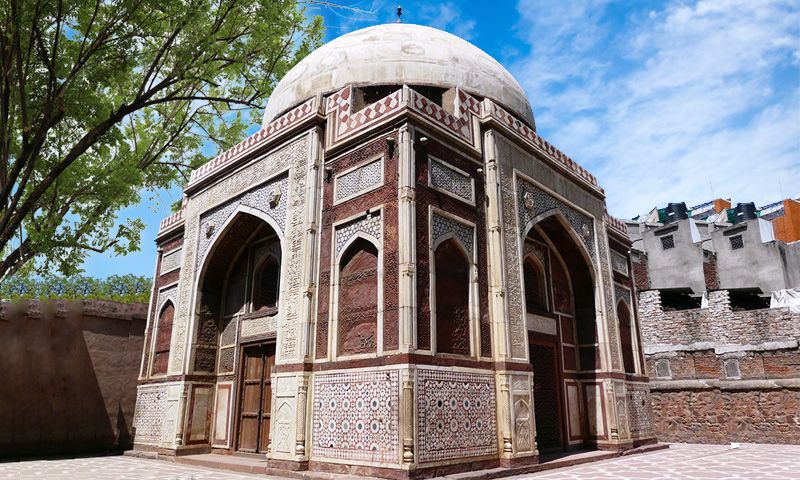
| Paid Entry |
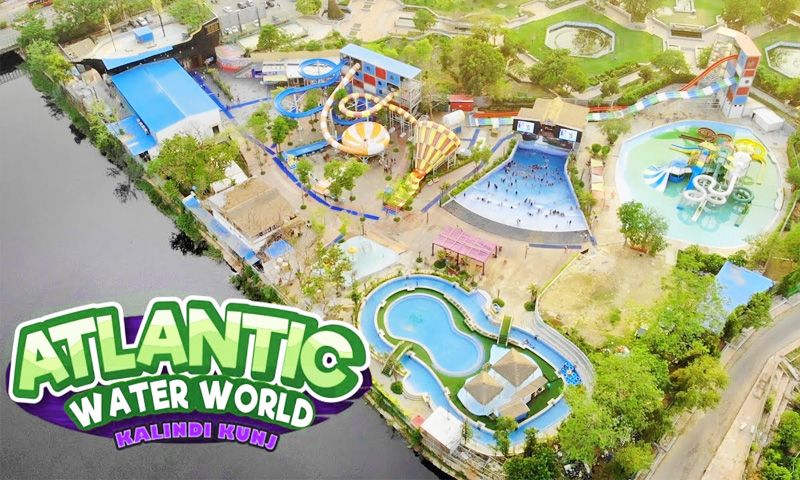
| Paid Entry |
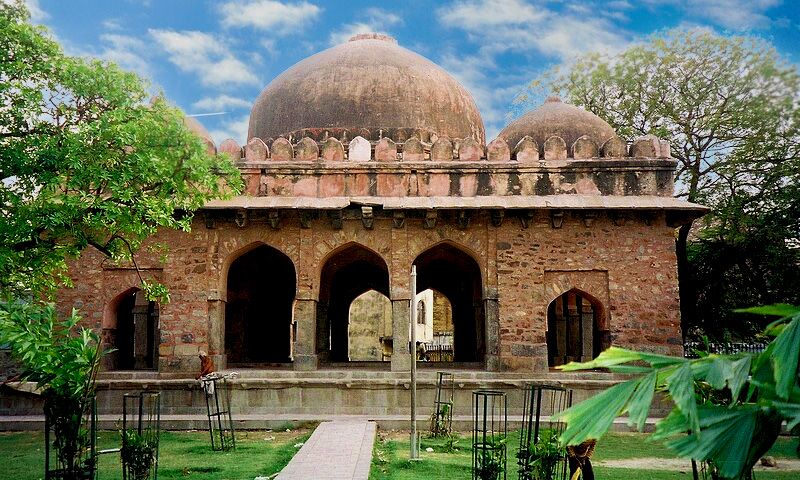
| Free Entry |
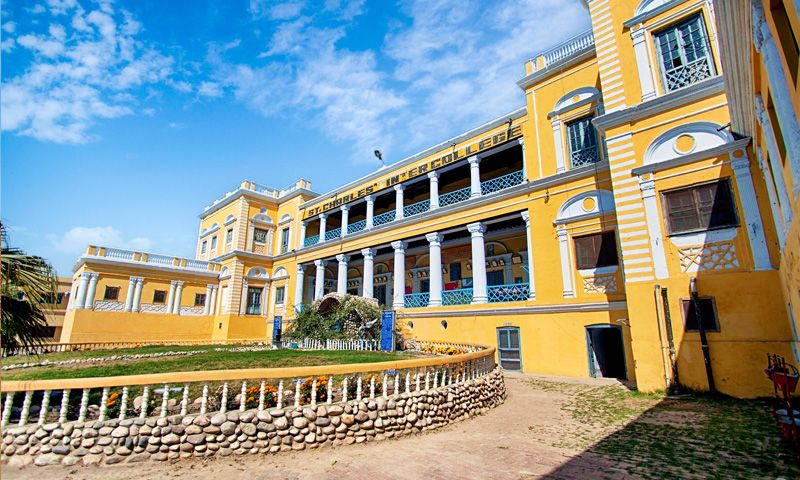
| Free Entry |
| Free Entry |
| Free Entry |
| Free Entry |
| Free Entry |
| Free Entry |
| Free Entry |
| Free Entry |
| Free Entry |

