Find Top Attractions in India
Entry Fee & Ticket
Timings :- The time to visit Satpula is from 8:00 am to 7:00 pm. , Entry Fee :- Free | | No Entry Fee
Opening Time & Days
Satpula opening and closing timing is 8:00 AM to 7:00 PM.
Open Days
Satpula is open every day for visitors.
Best Time to Visit
January, February, March, April, May, June, July, August, September, October, November, December
Place Visit With
Place Type
Nearest Metro Stations
Satpula Nearby Bus Stops
How to Reach Satpula
Here's the closest transport hub for each option, with the distance from Satpula.
-
12.2 km awayBy air · Nearest AirportFly into IGI New Delhi Airport
-
5.9 km awayBy rail · Nearest Railway StationTake a train to Lajpat Nagar Railway Station
-
15.6 km awayBy road · Nearest Bus TerminalCatch a bus from Kashmere Gate ISBT
About Satpula
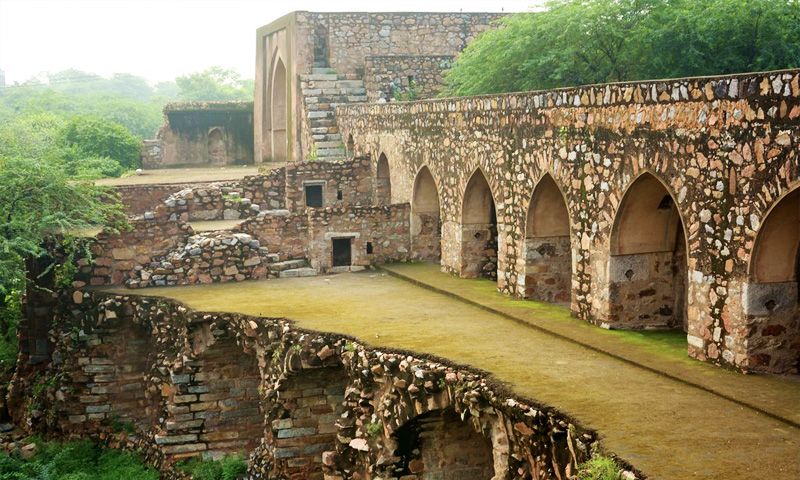
Satpula is a 14th-century water structure located on Press Enclave Road, South Delhi, built during the Tughlaq period as part of the city’s medieval water management system. It was commissioned by Sultan Muhammad bin Tughlaq and served as a dam and bridge to control rainwater coming from the Aravalli hills. The structure was important for supplying water to nearby settlements and reflects the advanced planning and engineering of the Sultanate era. Today, Satpula is recognized as an important heritage site, attracting history enthusiasts, architects, and tourists interested in Indo-Islamic engineering. While exact measurements are not recorded, the dam and its reservoir cover several thousand square meters, forming a fortified and functional landscape that highlights Delhi’s medieval infrastructure.
Architecture of Satpula
Satpula showcases Tughlaq architecture, known for its simple designs, robust construction and emphasis on workmanship. Built around 1340 CE during the reign of Sultan Muhammad bin Tughlaq of the Delhi Sultanate, the monument demonstrates early Islamic engineering adapted to the climate of the subcontinent. It is primarily constructed of rubble masonry and local quartzite stone, with lime mortar and thick concrete walls to withstand hydraulic pressure. The design combines protection and utility, with arched openings that control water flow and also serve as passageways.
The layout reflects military precision and symbolic authority over natural resources, a hallmark of Tughlaq governance. Its restrained decoration and heavy proportions contrast with earlier decorative Sultanate styles, emphasizing strength and durability.
- Seven arched sluice openings forming the dam
- Stone-built bridge passage above the arches
- Fortified bastions on either side
- Parapet walls and stairways
- Reservoir bed and embankments
Interesting facts about Satpula
- Satpula literally means “seven bridges,” referring to its seven arched water channels.The monument combined dam, bridge, and defensive functions in a single structure.Its rubble masonry technique minimized construction costs while maximizing strength.The arched sluices allowed controlled release of excess rainwater, preventing floods.The severe, fortress-like form reflects Tughlaq ideals of authority and restraint.Archaeological studies highlight Satpula as an early example of urban water engineering in Delhi.
Satpula FAQs:
Satpula Neighbourhood
Explore nearby places within 5 km of Satpula including attractions, cinemas, colleges, hospitals and more.
Explore Other Attractions Nearby
More places to visit in Delhi
| Paid Entry |
| Free Entry |

| Free Entry |
| Free Entry |
| Free Entry |
| Paid Entry |

| Paid Entry |
| Free Entry |
| Free Entry |
| Free Entry |
| Free Entry |
| Free Entry |

| Free Entry |
| Free Entry |
| Free Entry |
| Free Entry |
| Free Entry |

